21 May 1108: Archbishop Gerald of York dies reading Roman astrology
Ranulf Higden and John Trevisa. 1865. Polychronicon Ranulphi Higden monachi Cestrensis, Vol. 7. Ed. Joseph Rawson Lumby. London: Longman. Get it:
.Unedited excerpt
If an excerpt is used in the book, it will be shorter, edited and, where applicable, translated.
Mortuo hoc anno Thoma Eboracensi episcopo, successit Gyraldus, vir quidem, ut fert rumor, licentiae, libidini et malificiis obnoxius. Sub ejus nempe pulvillo cum in viridario quodam decederet inventus est codex curiosarum artium videlicet, Julius Firmicus, quem secreto et meridianis horis lectitabat; quamobrem clerici ecclesiae suae eum sub coeli cespite extra ecclesiam vix sepeliri permiserunt.


Comment
Comment
John Trevisa’s “a lecherous man, a witch, an evil doer” strikes me as deliberate mistranslation. My “grass of heaven” can’t be quite right, or else the Spanish would have coined “césped del cielo.” Wikipedia says that he died at Southwell, and that
His canons refused to allow his burial within his cathedral, but their hostility probably owed more to Gerard’s attempts to reform their lifestyle than to his alleged interest in sorcery. Gerard was at first buried beside the porch at York Minster, but his successor, Thomas, moved the remains inside the cathedral church.
Something to say? Get in touch
Tags
Tags are assigned inclusively on the basis of an entry’s original text and any comment. You may find this confusing if you only read an entry excerpt.
- Archbishop of York (18) W/G ·
- Astrology (1) W/G ·
- Gerard (archbishop of York) (1) W/G ·
- Henry I of England (3) W/G ·
- John Trevisa (1) W/G ·
- Julius Firmicus Maternus (1) W/G ·
- Ranulf Higden (1) W/G ·
- Thomas II of York (2) W/G ·
- Thomas of Bayeux (2) W/G ·
- Translation (3) W/G ·
- 📌York Minster (28) W/G ·
- 📌York (165) W/G ·
Comment
Comment
John Trevisa’s “a lecherous man, a witch, an evil doer” strikes me as deliberate mistranslation. My “grass of heaven” can’t be quite right, or else the Spanish would have coined “césped del cielo.” Wikipedia says that he died at Southwell, and that
His canons refused to allow his burial within his cathedral, but their hostility probably owed more to Gerard’s attempts to reform their lifestyle than to his alleged interest in sorcery. Gerard was at first buried beside the porch at York Minster, but his successor, Thomas, moved the remains inside the cathedral church.
Something to say? Get in touch
Similar
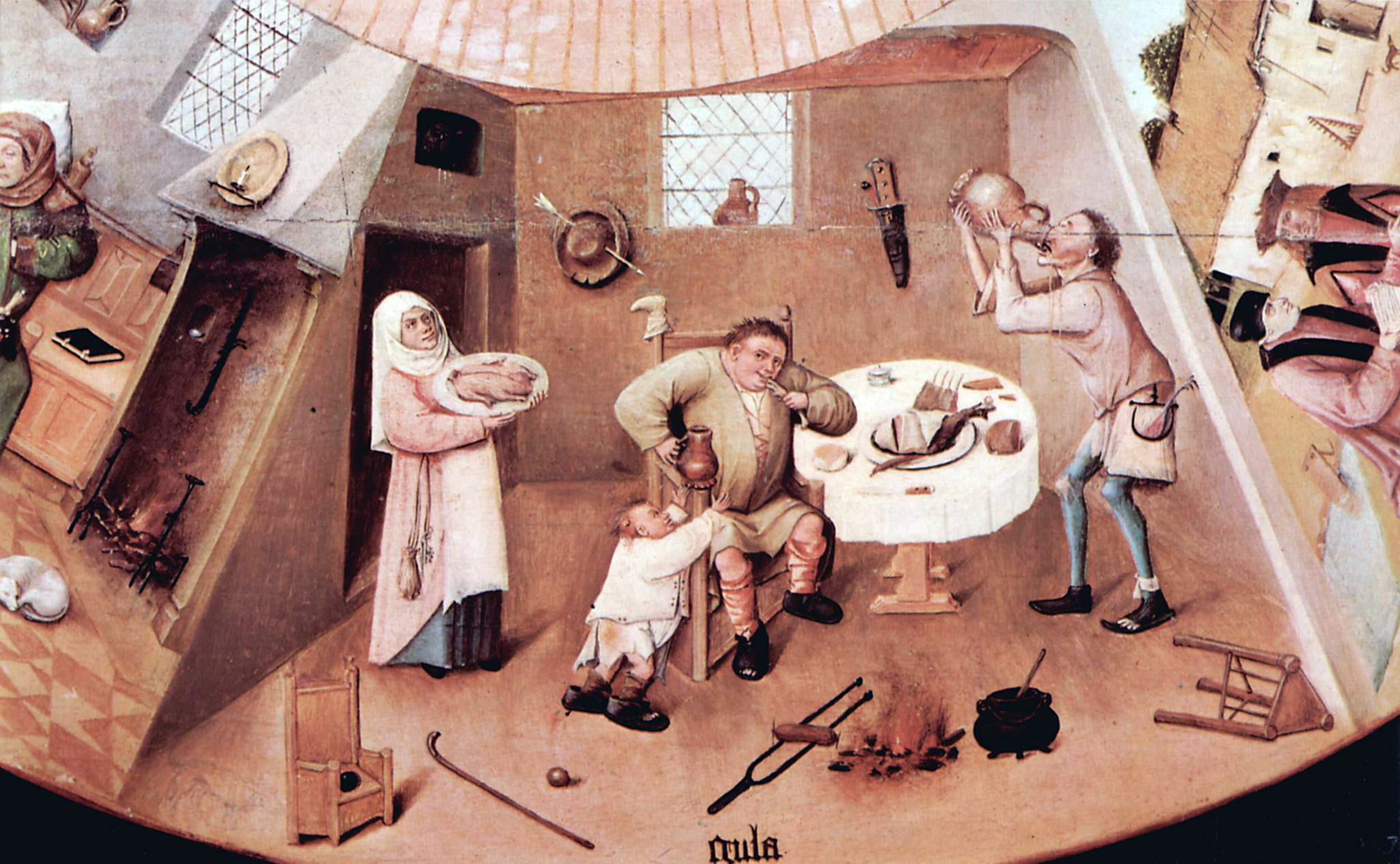 22 September 1465: A menu for the enthronement at Cawood Castle of George Neville as Archbishop of York
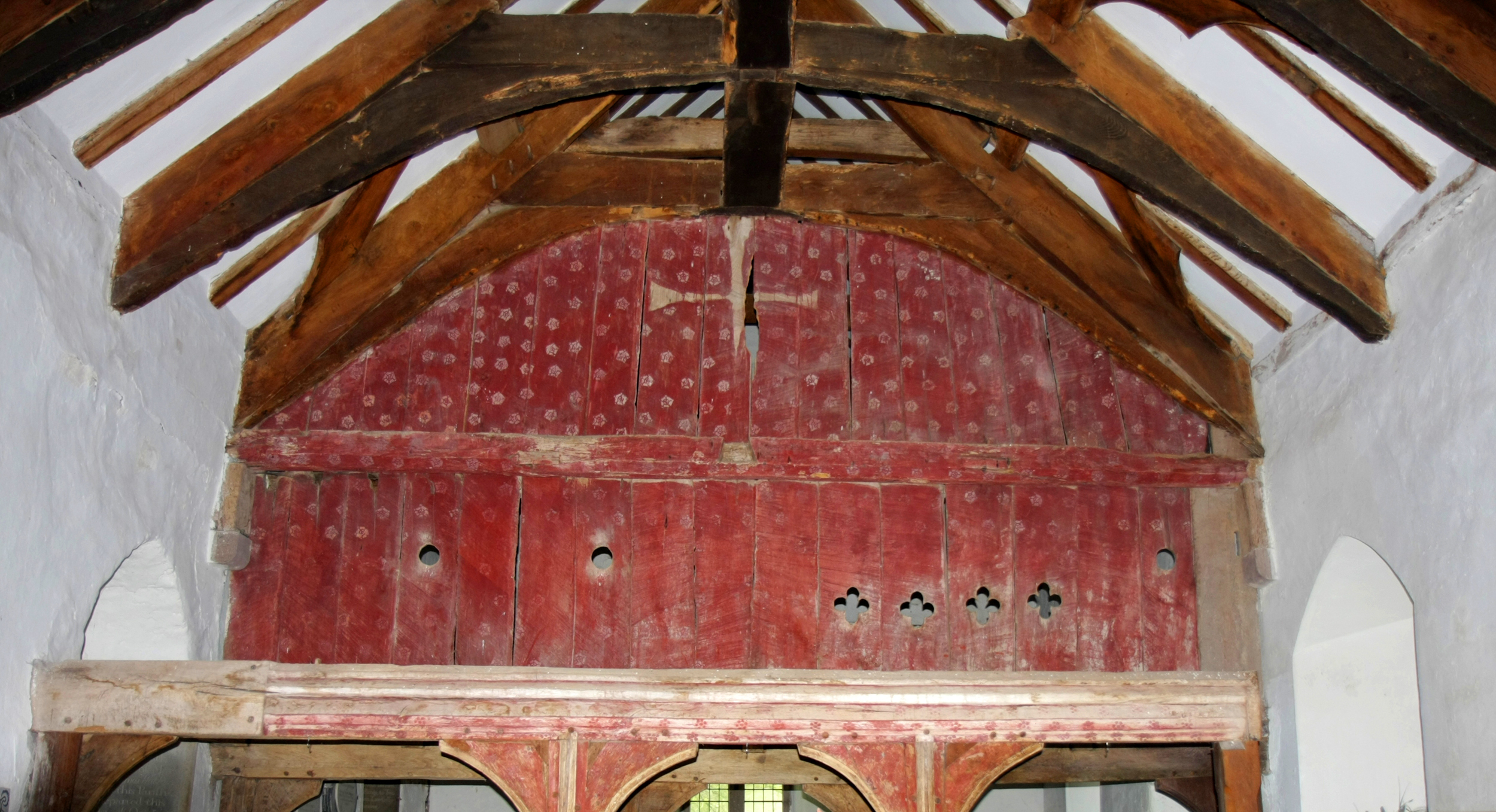 26 December 1570: Edmund Grindal, Puritan archbishop of York, orders the removal of rood-lofts (and their superstitious images), and the erection of pulpits
Comment
Comment
Something to say? Get in touch
Search
Subscribe/buy
Donate
Music & books
Place-People-Play: Childcare (and the Kazookestra) on the Headingley/Weetwood borders next to Meanwood Park.
Music from and about Yorkshire by Leeds's Singing Organ-Grinder.
 RSS feed
 Bluesky
 Extwitter