27 February 1390: Robert de Ellerbeck, mercer, walks into York Council on the Ouse bridge with a question for a certain Ralph del See
Francis Drake. 1736. Eboracum. London: William Bowyer. Get it:
.Unedited excerpt
If an excerpt is used in the book, it will be shorter, edited and, where applicable, translated.
Memorandum, that on Monday the 27th day of February, anno dom. 1390, and in the fourteenth year of the reign of king Richard II, were assembled in the council-chamber on Ousebridge, Robert Savage then mayor, John de Hoveden, John de Doncaster bayliffs, with John de Rippon, Robert del Gare, Robert Warde, John de Bolton, William de Rumlay, Hugh Straunge and other creditable persons, amongst whom personally appeared Ralph del See the son of Richard del See of York. Whilst these were treating and talking, a certain man called Robert de Ellerbeck mercer, came into the aforesaid chamber before the mayor, bayliffs and other honest citizens, with naked feet and head uncovered; who kneeling down and prostrating himself before the said Ralph del See besought him humbly in these words, weeping, I beseech thee Ralph, for the love of our lord Jesus Christ, who redeemed mankind by his precious blood on the cross, that thou wilt pardon and remit to me the death of Richard del See thy father. At which words the aforesaid mayor, bayliffs and other citizens together, intreated the said Ralph, that for the love of God he would forgive the said Robert de Ellerbeck the death of Richard his father. Which same Ralph, being moved to pity, turning himself to the said Robert, weeping, said, in reverence to God, and at the entreaty of these worthy men, and for the sake of the soul of the said Richard, I remit and release to thee for ever the death of the said Richard del See my father.

Comment
Comment
Something to say? Get in touch
Tags
Tags are assigned inclusively on the basis of an entry’s original text and any comment. You may find this confusing if you only read an entry excerpt.
- Forgiveness (1) W/G ·
- Homicide (3) W/G ·
- List of lord mayors of York (2) W/G ·
- Mercery (6) W/G ·
- Mercy (2) W/G ·
- Ouse Bridge (6) W/G ·
- 📌York (165) W/G ·
Comment
Comment
Something to say? Get in touch
Similar
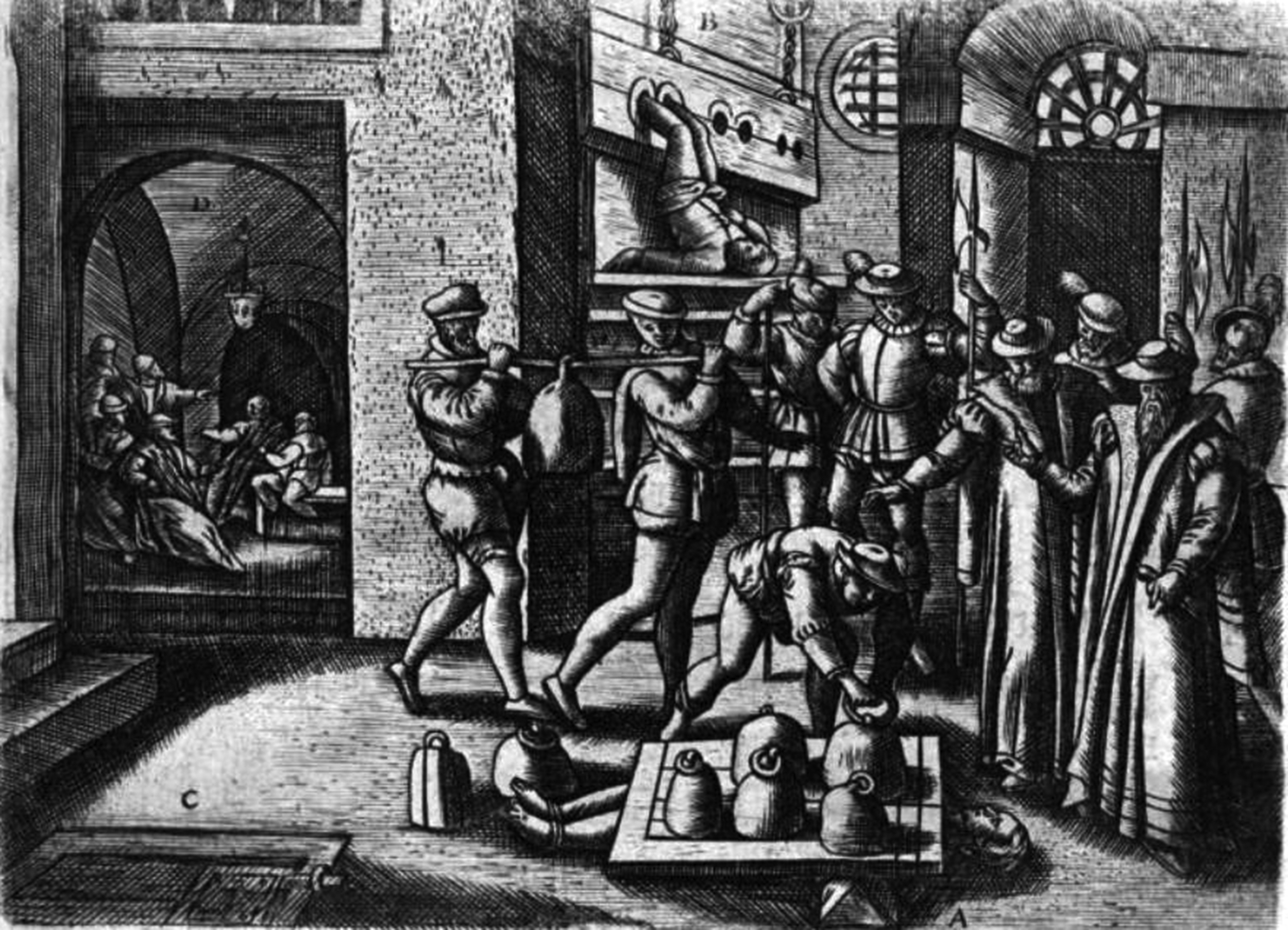 15 March 1586: Offered a jury acquittal, Margaret Clitherow of York, concealer of priests, chooses martyrdom and is crushed under her own front door
Comment
Comment
The clarification of the original asterisks comes from Samuel Pegge:
The asterisks in Drake’s Eboracum, p. 416, are intended for Archbishop Lancelot Blackburne; intimating that his Grace would never have died a martyr to his chastity. But quære, whether Mr. Drake was a proper person to make this observation (Pegge 1818).
Malcolm Redfellow suggests that Drake resented Blackburne’s refusal to subscribe to Eboracum.
Who is Drake’s source? Hugh the Chanter aka Sottovagina in his Historia ecclesiae Eboracensis (History of the Church of York) simply says that Thomas was not known to have had sex with a woman (Hugh the Chanter 1990).
Something to say? Get in touch
Search
Subscribe/buy
Donate
Music & books
Place-People-Play: Childcare (and the Kazookestra) on the Headingley/Weetwood borders next to Meanwood Park.
Music from and about Yorkshire by Leeds's Singing Organ-Grinder.
 RSS feed
 Bluesky
 Extwitter