28 August 1661: The York assizes hear of a fatal military brawl at a Malton inn, involving rouges (roundheads), Charles II’s pardon for crimes during the interregnum, and flatulence
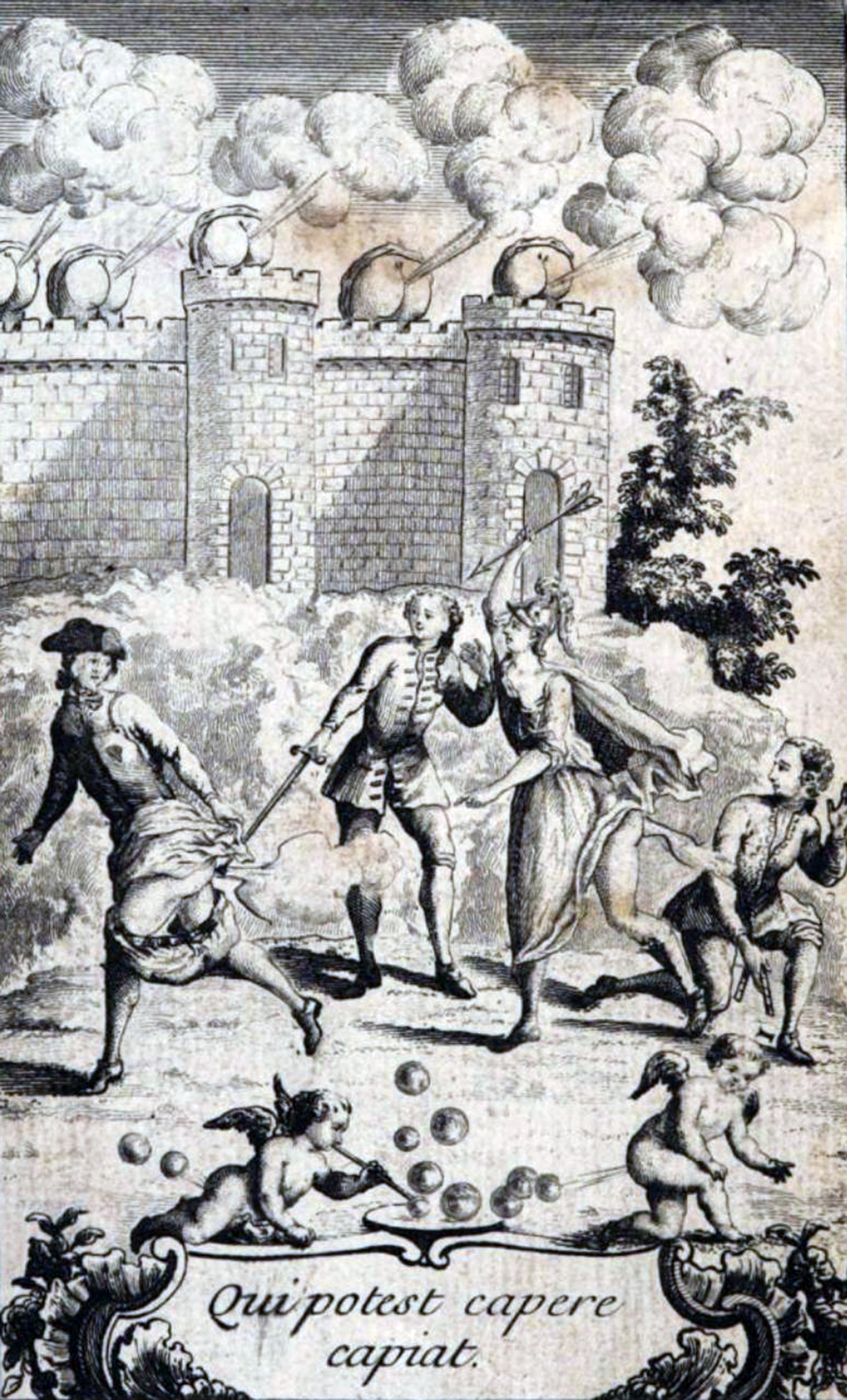
The fart of war (Anon 1775).
James Raine. 1861. Depositions from the Castle of York. London: Surtees Society. Get it:
.Unedited excerpt
If an excerpt is used in the book, it will be shorter, edited and, where applicable, translated.
James Strangwayes, of Pickering, gen. aged 27, saith, that following Capt. Smith and the last in company down the stairs he see Mr. Constable, with others, on the stair heads, calling some “rouges.” Mr. Smith replied, “By whom they meant?” They answered him, by such rouges as himself, and thereupon drew their swords, and wounded him on his fingers, and one of them cried for a pistol to pistol him, which presently was brought, and presented it at Smith, which was prevented by the informant. Mr. Smith afterwards returned to the stair heads, and there demanded satisfaction on Mr. Constable. Whereupon Constable replied he knew not who had done him the injury, and Smith answered, for anything he knew it was himself, and thereupon gave Constable a blow on the face with his hand. Another standing behind Constable run at Smith with a drawn sword or rapier in his hand, and wounded Smith in the face, whereupon Smith fell. Mr. Constable afterwards reflecting upon particular persons, Major Nary told him he did not well to do so, for things were pardoned by the Act of Indemnity. Constable replied he valued not a fart the Act of Indemnity.

Comment
Comment
I suppose that the passage beginning “Mr. Constable afterwards reflecting…” refers to the following:
The lands of the Crown and the established Church were automatically restored, but lands of Royalists and other dissenters confiscated and sold during the Civil War and interregnum were left for private negotiation or litigation, meaning that the government would not help the Loyalists in regaining their property. Disappointed Royalists commented that the Act meant “indemnity for [Charles’] enemies and oblivion for his friends”.
Raine notes:
An affray at an inn at Malton among some Yorkshire gentlemen, many of whom were soldiers. One, a Captain Smith, died of the wounds that he received. Sotheby, Constable, and Wm. Hawksworth, were tried at the assizes, and were acquitted. Constable, in his examination, is said to be of Selby, and Sotheby is described as a lieutenant-colonel, probably in some local corps.
Something to say? Get in touch
Tags
Tags are assigned inclusively on the basis of an entry’s original text and any comment. You may find this confusing if you only read an entry excerpt.
- Assizes (24) W/G ·
- Cavalier (18) W/G ·
- Firearm (15) W/G ·
- Flatulence (1) W/G ·
- Indemnity and Oblivion Act (1) W/G ·
- 📌Malton, North Yorkshire (11) W/G ·
- New Model Army (1) W/G ·
- Obscenity (2) W/G ·
- Red coat (military uniform) (1) W/G ·
- Roundhead (21) W/G ·
- Stuart Restoration (7) W/G ·
- Sword (4) W/G ·
- 📌York (165) W/G ·
Comment
Comment
I suppose that the passage beginning “Mr. Constable afterwards reflecting…” refers to the following:
The lands of the Crown and the established Church were automatically restored, but lands of Royalists and other dissenters confiscated and sold during the Civil War and interregnum were left for private negotiation or litigation, meaning that the government would not help the Loyalists in regaining their property. Disappointed Royalists commented that the Act meant “indemnity for [Charles’] enemies and oblivion for his friends”.
Raine notes:
An affray at an inn at Malton among some Yorkshire gentlemen, many of whom were soldiers. One, a Captain Smith, died of the wounds that he received. Sotheby, Constable, and Wm. Hawksworth, were tried at the assizes, and were acquitted. Constable, in his examination, is said to be of Selby, and Sotheby is described as a lieutenant-colonel, probably in some local corps.
Something to say? Get in touch
Similar
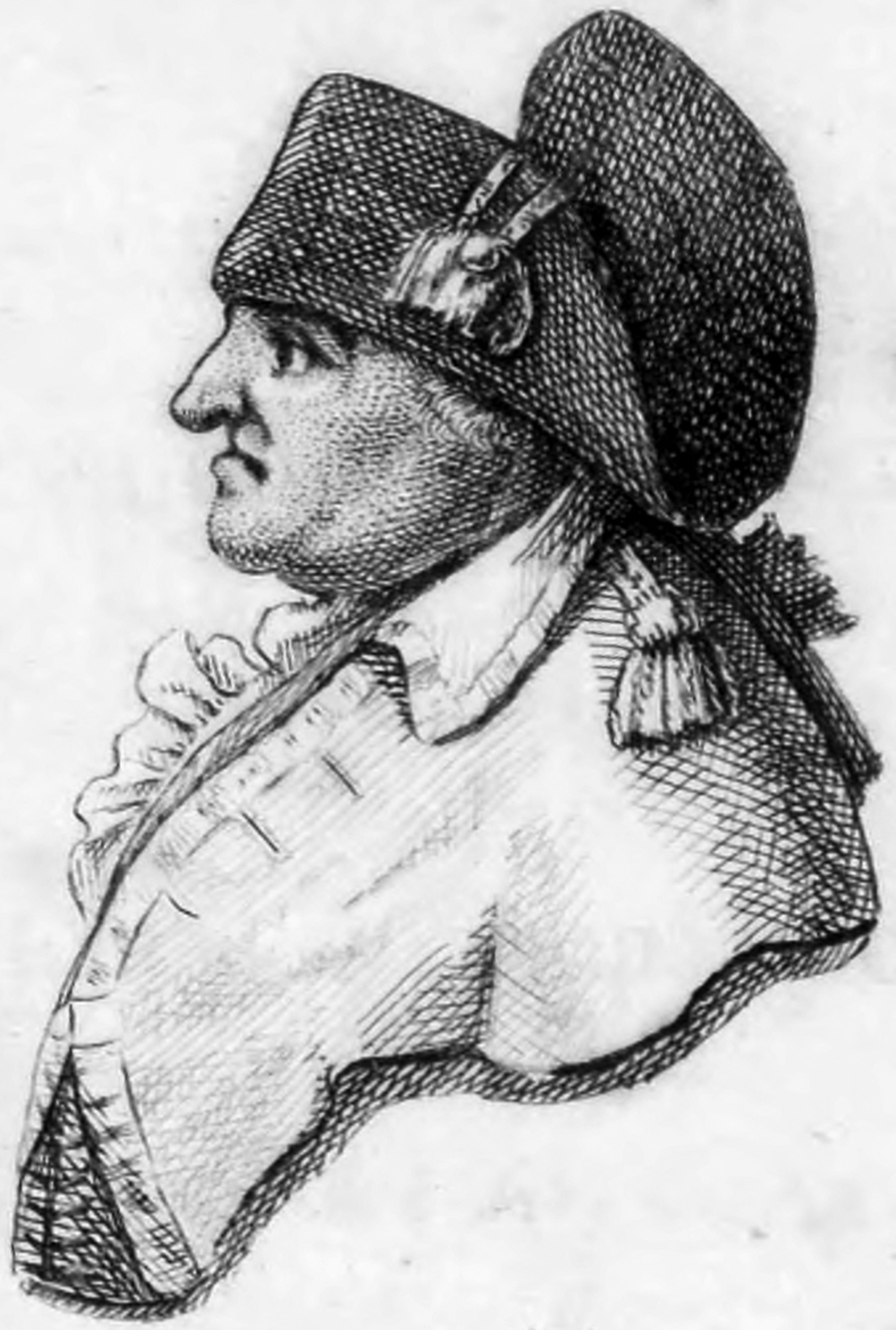 2 October 1800: Part of an obituary to Harry Rowe, Punch and Judy man, trumpeter at the Battle of Culloden and the York assizes, who died today, old and ill, in the York poorhouse

Comment
Comment
Raine notes that fireballs were said to have been used in London, and recalls the anti-Papist couplet by Pope which used to be inscribed on the base of the Monument:
Where London’s column, pointing at the skies
Like a tall bully, lifts the head, and lies
(Pope 1754)
Thoresby refers to Captain Mason (Thoresby 1830).
The alleged beggar was bound over.
Something to say? Get in touch
Search
Subscribe/buy
Donate
Music & books
Place-People-Play: Childcare (and the Kazookestra) on the Headingley/Weetwood borders next to Meanwood Park.
Music from and about Yorkshire by Leeds's Singing Organ-Grinder.
 RSS feed
 Bluesky
 Extwitter