7 April 1687: James II’s declaration of freedom of conscience arrives in Yorkshire, but fails in its alleged underlying intention – to drive people into the arms of the Catholic church
John Reresby. 1875. The Memoirs of Sir John Reresby of Thrybergh, Bart., M.P. for York, etc., 1634-1689. Ed. James J. Cartwright. London: Longmans, Green, and Company. Get it:
.Unedited excerpt
If an excerpt is used in the book, it will be shorter, edited and, where applicable, translated.
There came down the declaration for liberty of conscience, gilded over with tenderness to his Majesty’s subjects, in general invitation to strangers of different opinions, improvement of trade, and promising all this time to protect the bishops and ministers of the Church of England in their functions, rights, and properties and free exercise of their religion in the churches. But the design was well understood, viz. to divide the Protestant churches, that the Papists might find less opposition. The Presbyterians or Calvinists, who most of them had begun to conform, continued to come to our churches. The Anabaptists, Quakers, and Independents made addresses of thanks to the King for this indulgence. Several gentlemen in addition to those before named had lost their employments for refusing to give their votes for taking away the penal and test laws, being all members of Parliament. After which, the Parliament being prorogued, the question how men inclined as to that matter was not so frequently put; nor did any number of Protestants, considerable either as to estates or quality, go over to the Roman Church, as yet neither invited by great preferments that waited on them, nor frightened with the King’s frowns, and the loss of their employments. So far did honour help religion, that gentlemen were the more firm, lest the world might think that they changed their religious opinions for reward.

Comment
Comment
Something to say? Get in touch
Tags
Tags are assigned inclusively on the basis of an entry’s original text and any comment. You may find this confusing if you only read an entry excerpt.
- Anabaptism (1) W/G ·
- Calvinism (8) W/G ·
- Catholic Church (57) W/G ·
- Church of England (94) W/G ·
- Congregational church (9) W/G ·
- Declaration of Indulgence (1687) (2), issued by James II, an early step towards establishing freedom of religion, cut short by the Glorious Revolution. W/G ·
- Freedom of religion (3) W/G ·
- James II (20) W/G ·
- Nonconformism (47) W/G ·
- Presbyterianism (20) W/G ·
- Protestantism (25) W/G ·
- Quakers (14) W/G ·
- Reresby, John (1634-89) (23), Thrybergh-born, politician and diarist, governor of York 1682-88, 2nd baronet W/G ·
- Test Act (5) W/G ·
Comment
Comment
Something to say? Get in touch
Similar
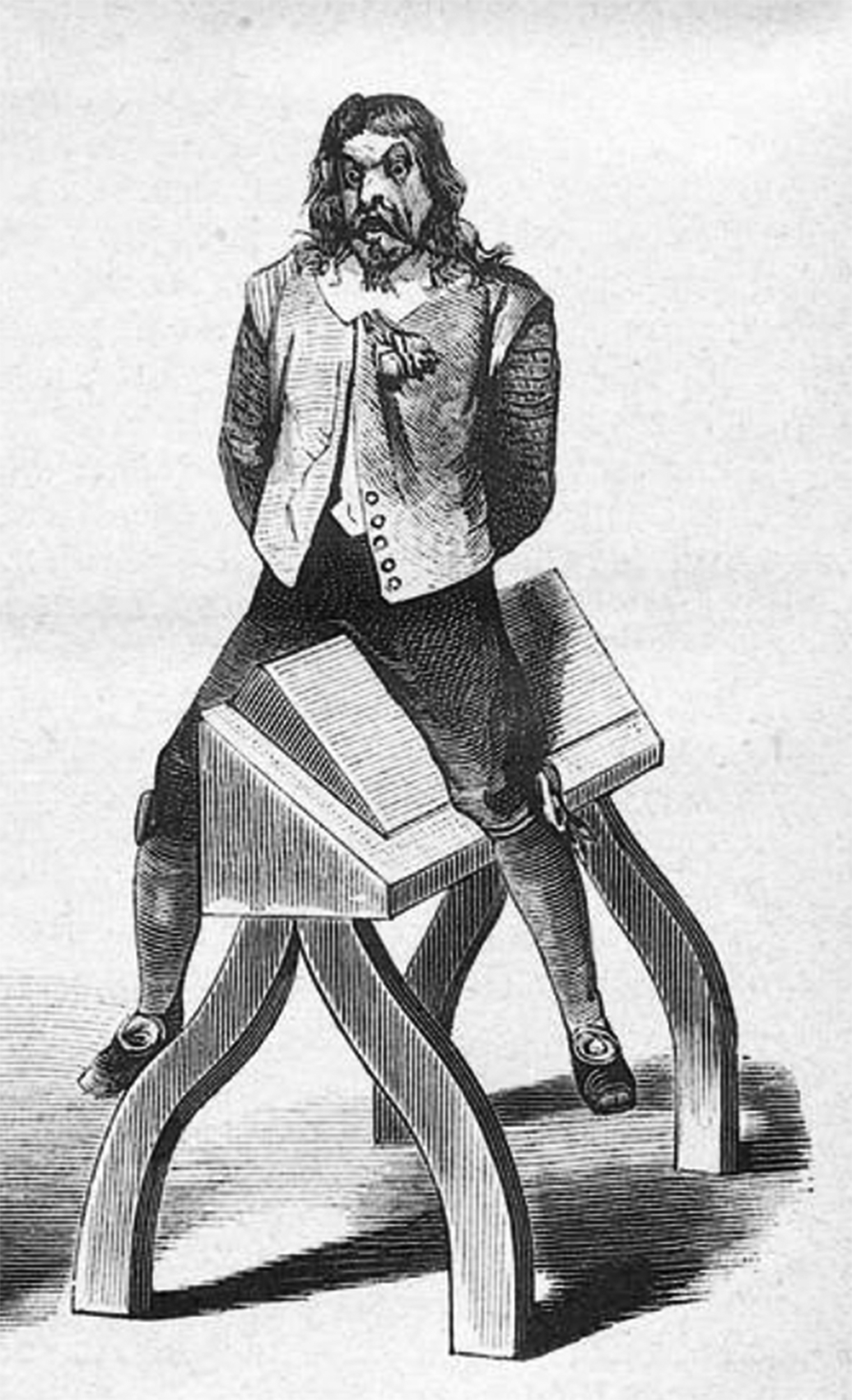 21 February 1688: On Shrove-Tuesday, cock-throwing York apprentices break a Catholic window, and the militia intervenes, torturing citizens and violating their civic rights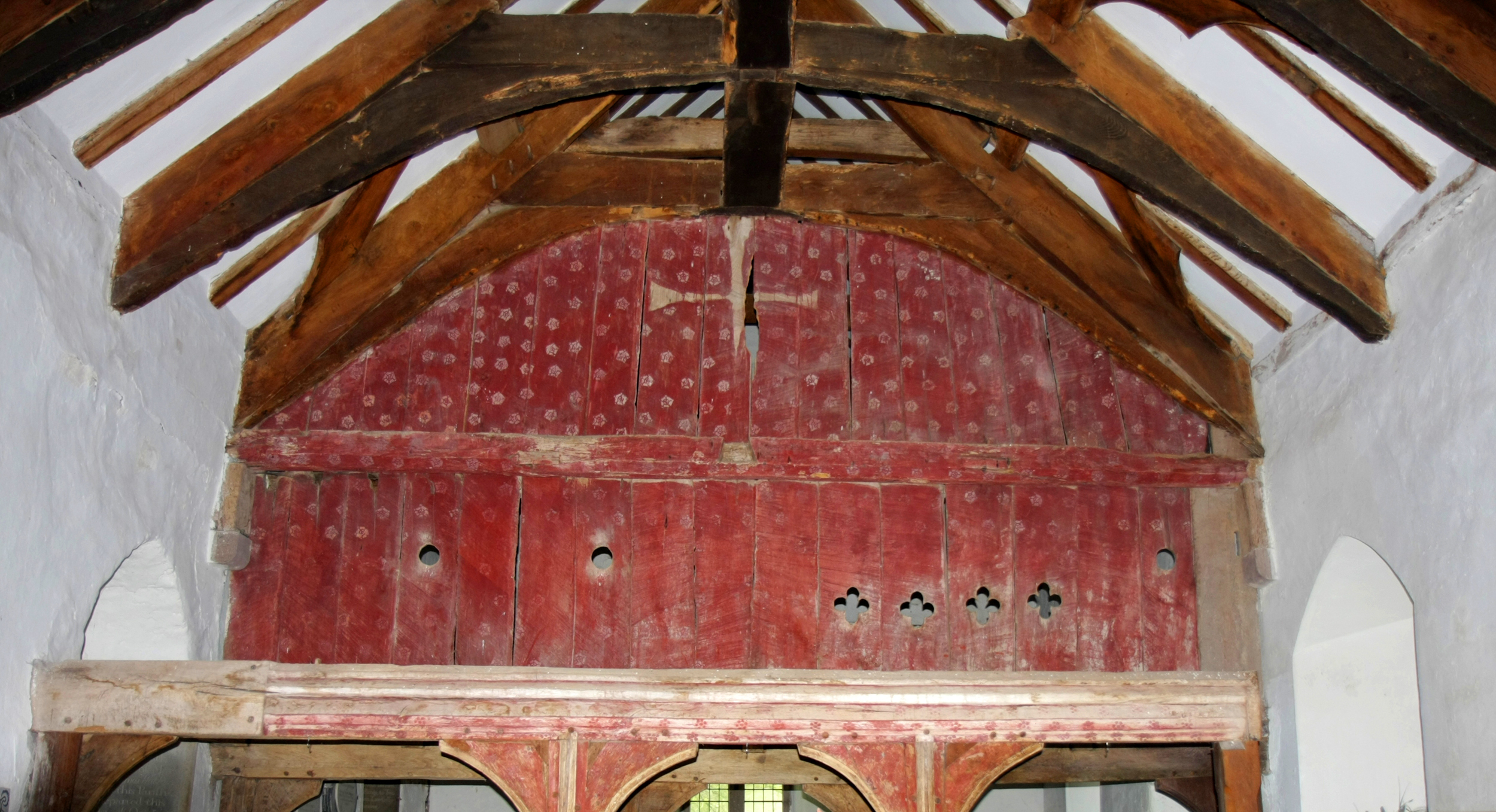
Comment
Comment
At some stage in 1571, either on the eve of or during a metropolitan visitation to his wayward flock, Grindal issued yet more injunctions:
By the heeding of which injunctions one may observe, how old Popish customs still prevailed in these northern quarters, and therefore what need there was of this general visitation; as the frequent use and veneration of crosses, months minds, obits and anniversaries, the chief intent whereof was praying for the dead; the superstitions used in going the bounds of the parishes; morris dancers and minstrels coming into the church in service-time, to the disturbance of God’s worship, putting the consecrated bread into the receiver’s mouth, as among the Papists the Priest did the wafer; crossing and breathing upon the elements in the celebration of the Lord’s Supper, and elevation; oil, tapers, and spittle in the other sacrament of Baptism; pauses and intermissions in reading the services of the Church; praying Ave-Maries and Pater-nosters upon beads; setting up candles in the churches to the Virgin Mary on Candlemas-day, and the like.
Something to say? Get in touch
Search
Subscribe/buy
Donate
Music & books
Place-People-Play: Childcare (and the Kazookestra) on the Headingley/Weetwood borders next to Meanwood Park.
Music from and about Yorkshire by Leeds's Singing Organ-Grinder.
 RSS feed
 Bluesky
 Extwitter