21 October 1775: A hare struggles to survive flooding on the River Aire at Leeds
John Mayhall. 1860. The Annals and History of Leeds, and Other Places in the County of York. Leeds: Joseph Johnson. Get it:
.Unedited excerpt
If an excerpt is used in the book, it will be shorter, edited and, where applicable, translated.
A very high flood occurred in the river Aire on the 21st of October, this year. Water-lane, together with all the other streets and lanes near the Leeds bridge, were rendered impassable to anything but boats. The bridges of Calverley and Swillington, above and below Leeds, were destroyed, and a singular circumstance is related of a hare, which escaped alive on the body of a drowned sheep. The height to which the water rose is preserved by a notice at the end of Water-lane, entering from the bridge, thus: – “1775, October 21st, Flood,” under which is a line showing that the water rose seven feet above the crown of the paving.


Comment
Comment
Water Lane used to extend from Bridge Road in Holbeck past the Victoria Bridge to Leeds Bridge, but much of the eastern part is now submerged under the dismal Asda House.
Something to say? Get in touch
Tags
Tags are assigned inclusively on the basis of an entry’s original text and any comment. You may find this confusing if you only read an entry excerpt.
- Bridge (3) W/G ·
- 📌Calverley (7) W/G ·
- Drowning (24) W/G ·
- Flood (12) W/G ·
- Hare (5) W/G ·
- 📌Holbeck (10) W/G ·
- John Nicholson (poet) (4) W/G ·
- Leeds Bridge (4) W/G ·
- 📌Leeds (249) W/G ·
- Poetry (75) W/G ·
- River Aire (27) W/G ·
- Sheep (28) W/G ·
- Swillington (2) W/G ·
Comment
Comment
Water Lane used to extend from Bridge Road in Holbeck past the Victoria Bridge to Leeds Bridge, but much of the eastern part is now submerged under the dismal Asda House.
Something to say? Get in touch
Similar
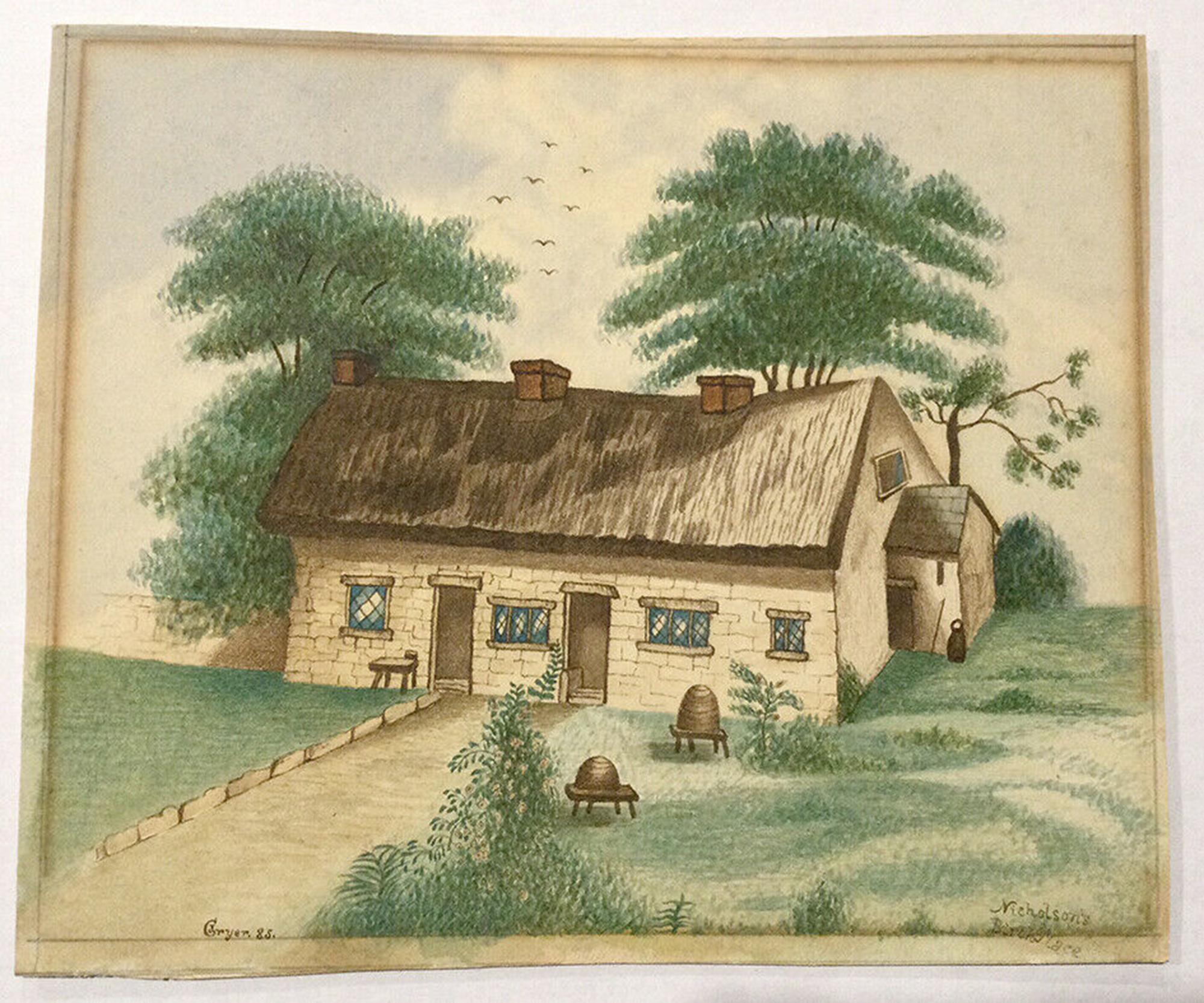 14 April 1843: John Nicholson, “the Airedale Poet,” “the Bingley Baron,” dies after falling into the Aire while drunk
 19 October 1816: Serenaded by the military, decorated barges leave Leeds for Liverpool to celebrate the completion, after almost 50 years, of the canal uniting east and west
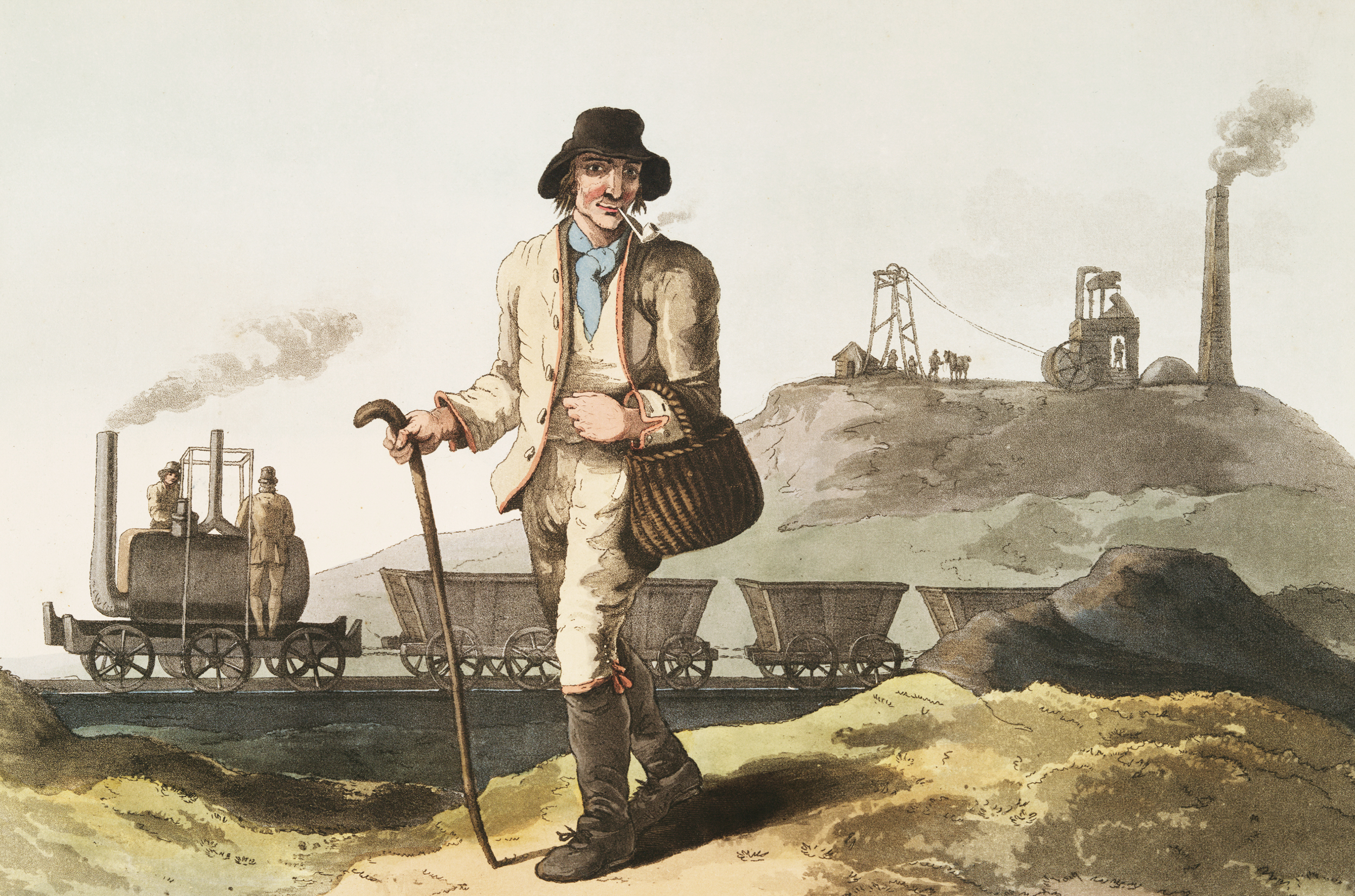 9 June 1758: Entry into law of the first dedicated railway enabling act, for Richard Humble and Charles Brandling’s wagonway from Middleton Colliery to the Aire at Leeds
Comment
Comment
The rest of the article:
THE CALAMITY AT SHEFFIELD
The great mass of the flood waters seems now to have passed off from the Don, and the streets in its neighbourhood at Sheffield begin to wear somewhat of their old appearance. Not so, however, with the district over which the deluge poured. Many months must elapse before the buildings are restored, and years must go by before the face of the country can wear the aspect of verdure and careful cultivation which it bore on Friday night. The river, though fallen, is far from being as low as it generally is at this time of the year, and every furlong of the stream’s banks exhibits almost innumerable traces of the inundation – such as trees, balks, and beams of timber firmly embedded in its bed. The open land in this neighbourhood is still for the greater portion under water, and, as that drains off, a number of bodies will, it is feared, be exposed to view. The large hollows which abound are being filled up by the hundreds of cartloads of mud which are being deposited in them. The great manufacturers are busily engaged cleaning out their warehouses, and polishing their machinery, which had become rusty by the water. Harvest-lane presents the same picture of mud, cinders, dead horses, cows, and pigs that it did on Sunday. Bridgehouses was as busy as ever. The Whiterails has been cleared. A great portion of the thick deposit of mud has been carted away, giving the street somewhat of its usual appearance. In Nursery-street, with its now silent manufactories, is the Lady’s-bridge. A great portion of the rubbish has been removed from beneath the arches, and the water now flows freely on as far as the Blonk-bridge, where the stream is still impeded by a mass of rubbish. Blonk-street yet remains in the same state as on Sunday. The works in this vicinity are also stopped for repairs. As a rule, however, the damage done to the great manufacturers in the town has been slight. Mr. John Brown’s works and those of Mr. Bessemer escaped without any injury, and were at work as usual on the Monday following the calamity. Messrs. Cammals’ works were only deranged, so to speak; but the new works building for Messrs. Naylor Vickers were rather seriously damaged. Round Neepsend and by Hillsborough and Owlerton-road, where the great mischief fell, the inhabitants of the houses are busily engaged pumping the water out of their cellars. “Wallers” and masons are engaged in rebuilding, wherever practicable, the walls that have been washed down. Further down in the gardens opposite, at the other side of the river, a very painful incident occurred. Two or three men were engaged in removing the rubbish of one of the small, inhabited garden-houses. Near them stood a young woman, with two children clinging to her dress, the only ones saved from the wreck of their cottage. The rubbish had almost been cleared away when the leg of a human being was exposed to view. Brick after brick was removed, until the poor woman recognized the remains of her husband. A little above where this incident occurred the corpse of a child was brought out of the mud in an open space near the Old Brewery. About 20 yards from this the body of a man was also found. As these bodies were carried on stretchers to the workhouse a large crowd followed, but the greatest order and decorum were observed by every one.
[Excerpt above]
In the Kelham rolling mills the escape of the workmen was very narrow indeed. The first alarm was given by a man who had been asleep at the bottom end of the mill, and who was awoke by the rushing in of the waters. He hastened to where his fellow-workmen were getting dinner – these men being what are called the “night shift” – and gave them warning. Fortunately, the gates of the yard were closed, and the men had no means of getting out by these means. Had they done so they would inevitably have been swept away by the tide which passed in front of the buildings. They climbed on the roof, and, as has already been told, contrived, in their extreme eagerness to escape, to set it on fire in doing so. But the more remarkable circumstance remains to be told. The man who gave the alarm, and who was the means of saving the lives of so many of his fellow-workmen, lost his father, mother, wife, and two children, who lived at Malin-bridge; and his own bedstead, with other of his furniture, floated into the mills where he, with others, was a prisoner – a distance of not less than 2½ miles. In another part of Kelham island a man and his wife, who occupied a small cottage, on hearing the noise of the waters, went out to save their pig. Both were swept away by the torrent, and the pig as well.
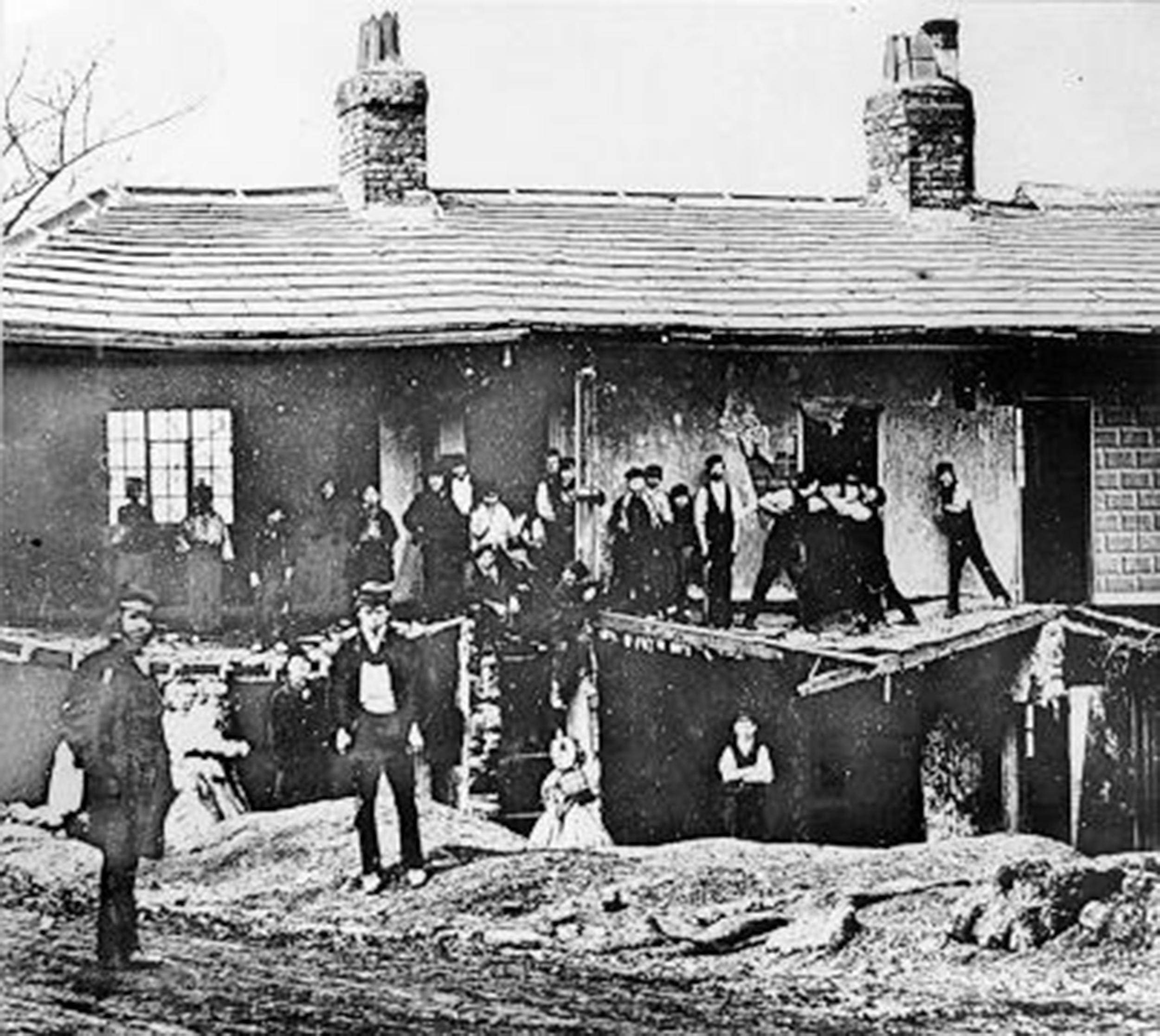
Michael Armitage’s flood site – whence the photo – is brilliant. I must also introduce this excavation of the Kelham Rolling Mills site, with its Charles Peace connection.
Something to say? Get in touch
Search
Subscribe/buy
Donate
Music & books
Place-People-Play: Childcare (and the Kazookestra) on the Headingley/Weetwood borders next to Meanwood Park.
Music from and about Yorkshire by Leeds's Singing Organ-Grinder.
 RSS feed
 Bluesky
 Extwitter