14 April 1848: The tombstone epitaph and verse for James Myers, killed on this day while working in the Bramhope Tunnel, and for his daughter, who died three weeks later

The Navvies’ Monument, Church Lane, Otley is a memorial to the navvies who died in the Bramhope Tunnel’s construction and is a scale model of the tunnel’s northern portal (Chemical Engineer 2017/08/07).
Mark Stevenson. 2018. James Myers Memorial Stone, Yeadon Methodist Church, Chapel Hill, Yeadon, Leeds. Geograph. Online: Geograph. Licensed under CC BY-SA 2.0, without modification. Get it:
.Unedited excerpt
If an excerpt is used in the book, it will be shorter, edited and, where applicable, translated.
James Myers of Yeadon who came to his death by an accident in the Bramhope Tunnel on the Leeds and Thirsk Railway on the 14th Day of April 1848
Aged 22 years.
What dangers do surround
Poor miners every where
And they that labour underground
They should be men of prayer.
Also of Harriet Daughter of the above said James Myers who died May 3rd 1848
Aged 3 years.


Comment
Comment
The musicians Greg Mulholland and Summercross quote the doggerel in Jimmy and Harriot, a fictionalised song about the dangers of navvying (Mulholland 2014), which I think features in the full version of The navvies who built the Bramhope tunnel:
A factual accident description:
A second’s absent-mindedness cost William Willoby (aged 23) his life at Bramhope Tunnel in December 1846. According to a witness, the tunnel inspector, Richard Taylor: “He had been at the works working all night and after coming up the Shaft at Six in the morning he walked from the Shaft by the cabin as if going towards his Lodgings, turned back upon some occasion and walked into the Shaft. No-one saw him fall.” (Brooke 1983)
The inscription on the Otley monument quotes respectively Genesis 23:4 and Luke 13:4 to the effect that the navvies did not deserve their bleak reputation:
In memory of the unfortunate men who lost their lives while engaged in the construction of the Bramhope Tunnel of the Leeds and Thirsk Railway, from 1845 to 1849. This tomb is erected as a memorial, at the expense of James Bray, Esq., the contractor, and of the agents, sub-contractors, and workmen employed thereon.
I am a stranger and sojourner with you: give me a possession of a burying-place with you, that I may bury my dead out of my sight.
Or those eighteen upon whom the Tower in Siloam fell and slew them: think ye that they were sinners above all the men in Jerusalem? I tell you, nay: and except ye repent, ye shall all likewise perish.
The Otley monument does not include Myers and others buried elsewhere. I wonder what the total death toll was for the construction of this 2.138-mile tunnel from Airedale to Wharfedale, connecting Horsforth with Harrogate.
Because of the nature of the ground, accidents did not cease once the navvies had left.
Unprocessed:
Something to say? Get in touch
Tags
Tags are assigned inclusively on the basis of an entry’s original text and any comment. You may find this confusing if you only read an entry excerpt.
- Arthington Viaduct (2) W/G ·
- Bible (15) W/G ·
- Biblical canon (2) W/G ·
- Bramhope Tunnel (2), 2.138-mile tunnel with crenellated north portal built 1845-1849 by the Leeds and Thirsk Railway on the Harrogate Line between Horsforth station and the Arthington Viaduct W/G ·
- 📌Bramhope (4) W/G ·
- Harrogate line (2) W/G ·
- Harrogate (13) W/G ·
- Horsforth railway station (1) W/G ·
- Leeds Northern Railway (2) W/G ·
- 📌Leeds (249) W/G ·
- 📌Otley (13) W/G ·
- Poetry (75) W/G ·
- Rail transport (24) W/G ·
- Thirsk (14) W/G ·
- Work accident (22) W/G ·
- 📌Yeadon, West Riding/West Yorkshire (7), town on the north bank of the Aire northwest of Leeds W/G ·
Comment
Comment
The musicians Greg Mulholland and Summercross quote the doggerel in Jimmy and Harriot, a fictionalised song about the dangers of navvying (Mulholland 2014), which I think features in the full version of The navvies who built the Bramhope tunnel:
A factual accident description:
A second’s absent-mindedness cost William Willoby (aged 23) his life at Bramhope Tunnel in December 1846. According to a witness, the tunnel inspector, Richard Taylor: “He had been at the works working all night and after coming up the Shaft at Six in the morning he walked from the Shaft by the cabin as if going towards his Lodgings, turned back upon some occasion and walked into the Shaft. No-one saw him fall.” (Brooke 1983)
The inscription on the Otley monument quotes respectively Genesis 23:4 and Luke 13:4 to the effect that the navvies did not deserve their bleak reputation:
In memory of the unfortunate men who lost their lives while engaged in the construction of the Bramhope Tunnel of the Leeds and Thirsk Railway, from 1845 to 1849. This tomb is erected as a memorial, at the expense of James Bray, Esq., the contractor, and of the agents, sub-contractors, and workmen employed thereon.
I am a stranger and sojourner with you: give me a possession of a burying-place with you, that I may bury my dead out of my sight.
Or those eighteen upon whom the Tower in Siloam fell and slew them: think ye that they were sinners above all the men in Jerusalem? I tell you, nay: and except ye repent, ye shall all likewise perish.
The Otley monument does not include Myers and others buried elsewhere. I wonder what the total death toll was for the construction of this 2.138-mile tunnel from Airedale to Wharfedale, connecting Horsforth with Harrogate.
Because of the nature of the ground, accidents did not cease once the navvies had left.
Unprocessed:
Something to say? Get in touch
Similar
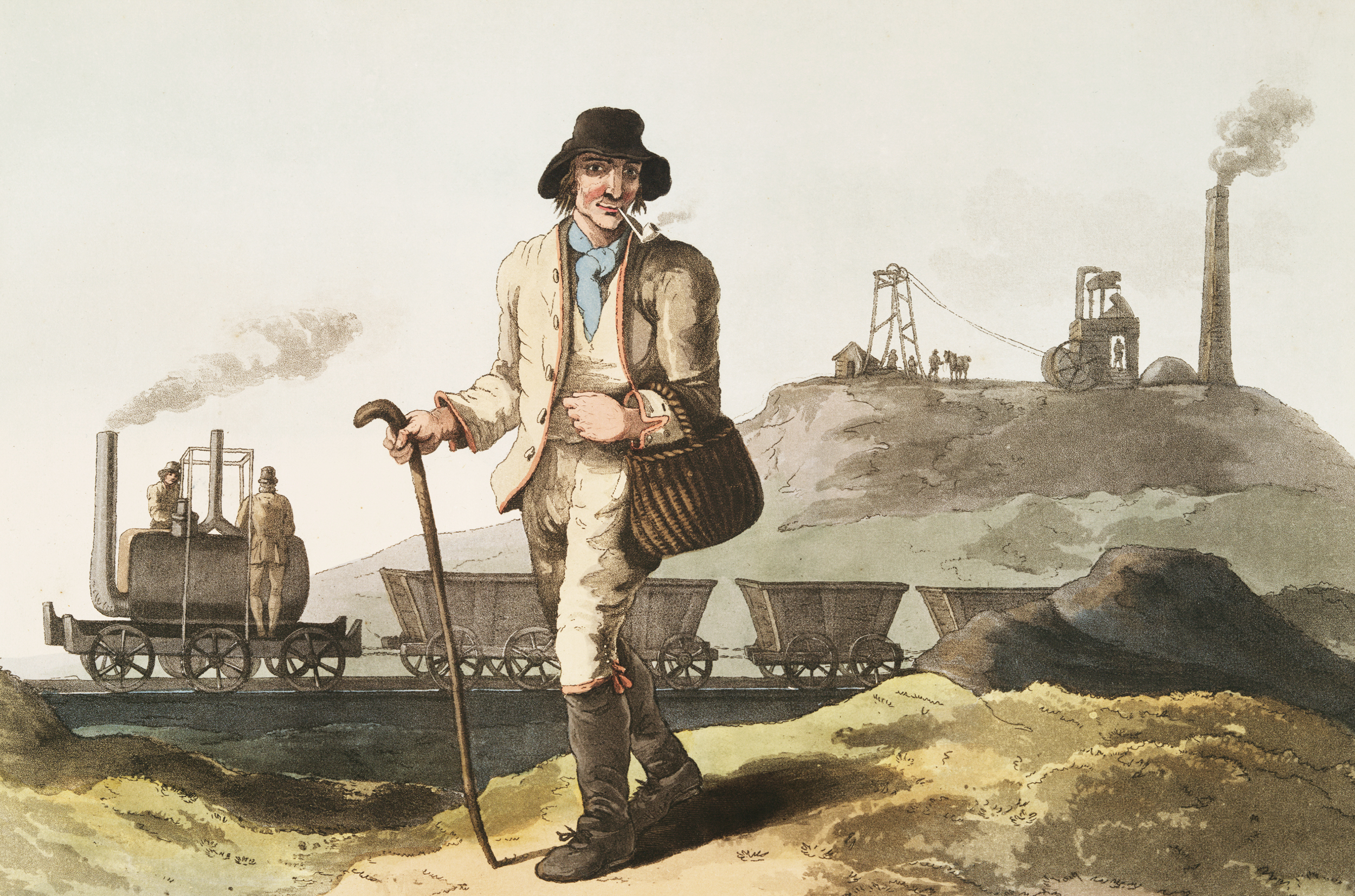 9 June 1758: Entry into law of the first dedicated railway enabling act, for Richard Humble and Charles Brandling’s wagonway from Middleton Colliery to the Aire at Leeds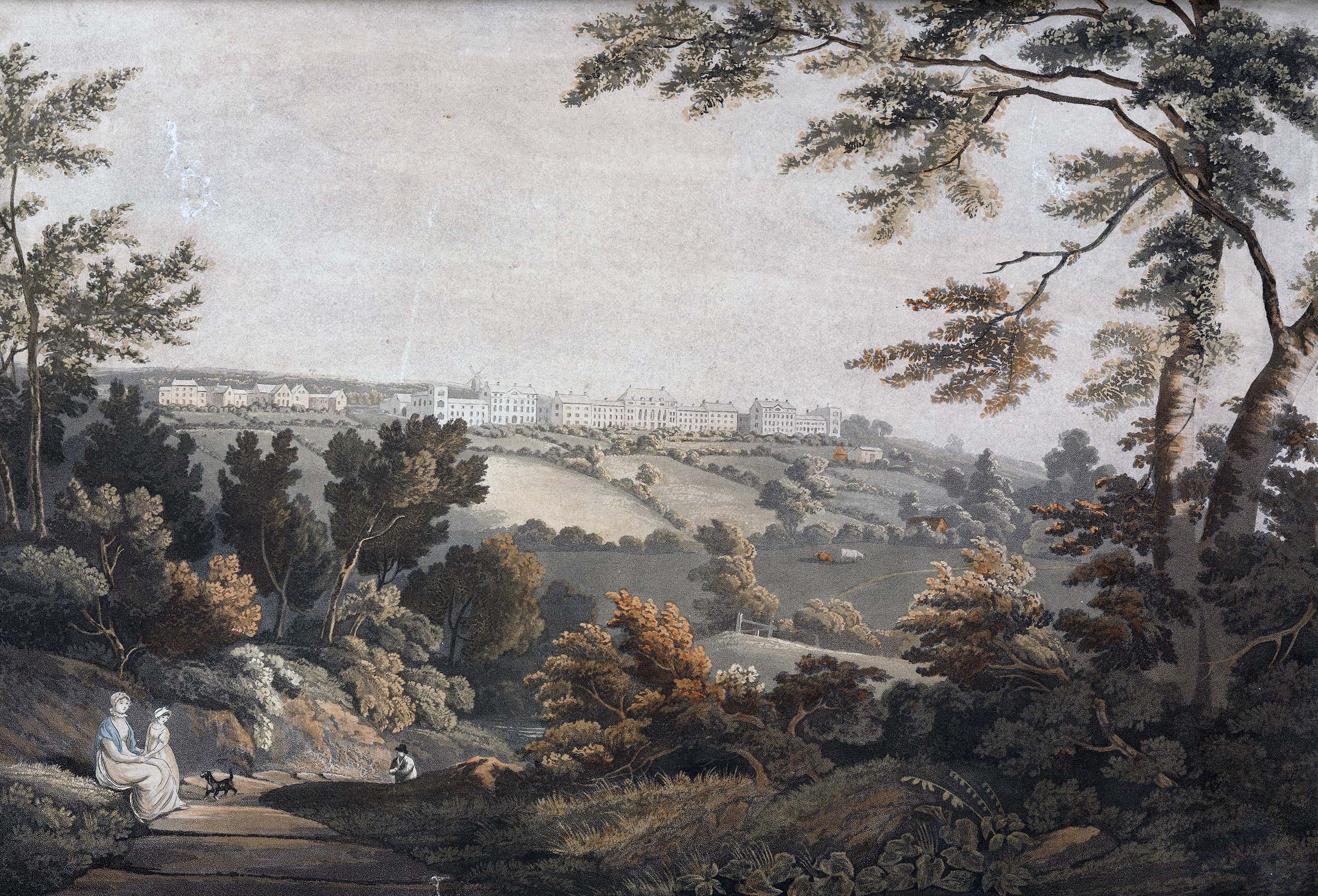
 30 May 1835: Alfred Austin, future poet laureate, “Banjo-Byron that twangs the strum-strum,” is born into rural splendour at Ashwood, 48 Headingley Lane, Leeds
Comment
Comment
Something to say? Get in touch
Search
Subscribe/buy
Donate
Music & books
Place-People-Play: Childcare (and the Kazookestra) on the Headingley/Weetwood borders next to Meanwood Park.
Music from and about Yorkshire by Leeds's Singing Organ-Grinder.
 RSS feed
 Bluesky
 Extwitter