31 December 1848: A fragment of the Richmond Hagmena song, performed this New Year’s Eve by the town pinder
John Brand. 1849. Observations on the Popular Antiquities of Great Britain, Vol. 1. Ed. Henry Ellis. London: Henry G. Bohn. Get it:
.Unedited excerpt
If an excerpt is used in the book, it will be shorter, edited and, where applicable, translated.
To-night it is the New Year’s night, to-morrow is the day,
And we are come for our right and for our ray,
As we used to do in old King Henry’s day:
Sing, fellows, sing, hag-man, ha!
If you go to the bacon-flick cut me a good bit;
Cut, cut, and low, beware of your maw.
Cut, cut, and round, beware of your thumb,
That me and my merry men may have some:
Sing, fellows, sing, hag-man, ha!
If you go to the black ark, bring me ten marks;
Ten marks ten pound, throw it down upon the ground,
That me and my merry men may have some;
Sing, fellows, sing, hag-man, ha!

Comment
Comment
The year assigned is that preceding publication, but I suspect the song to be much older. The pinder (someone in charge of impounding stray animals) is added by Robert Bell several years later (Bell 1857). Hogmanay is of course first recorded in a Latin entry in 1443 in the West Riding as hagnonayse (OED contributors 2021). “Rey” < rea, a low-denomination Portuguese coin cognate with the Spanish real.
Take the warning in verse 2 seriously: a good guitarist I know in Barcelona started slicing ham while drunk, and took off his left thumb. On the same hand, the damage Django Reinhardt suffered to the fourth and fifth fingers of his left hand was caused by a caravan fire, not a love of pork.
Something to say? Get in touch
Tags
Tags are assigned inclusively on the basis of an entry’s original text and any comment. You may find this confusing if you only read an entry excerpt.
- Animal pound (3) W/G ·
- Ballad (18) W/G ·
- Henry VIII (1491-1547) (16), ruled 1509 until his death, initiator of the English Reformation, separating the Church of England from papal authority and introducing the theory of the divine right of kings, dissolved convents and monasteries, invested heavily in the navy W/G ·
- Hogmanay (1) W/G ·
- North Riding of Yorkshire (51) W/G ·
- Poetry (75) W/G ·
- Richmond, North Yorkshire (3) W/G ·
- Richmond (2) W/G ·
- Song (20) W/G ·
Comment
Comment
The year assigned is that preceding publication, but I suspect the song to be much older. The pinder (someone in charge of impounding stray animals) is added by Robert Bell several years later (Bell 1857). Hogmanay is of course first recorded in a Latin entry in 1443 in the West Riding as hagnonayse (OED contributors 2021). “Rey” < rea, a low-denomination Portuguese coin cognate with the Spanish real.
Take the warning in verse 2 seriously: a good guitarist I know in Barcelona started slicing ham while drunk, and took off his left thumb. On the same hand, the damage Django Reinhardt suffered to the fourth and fifth fingers of his left hand was caused by a caravan fire, not a love of pork.
Something to say? Get in touch
Similar
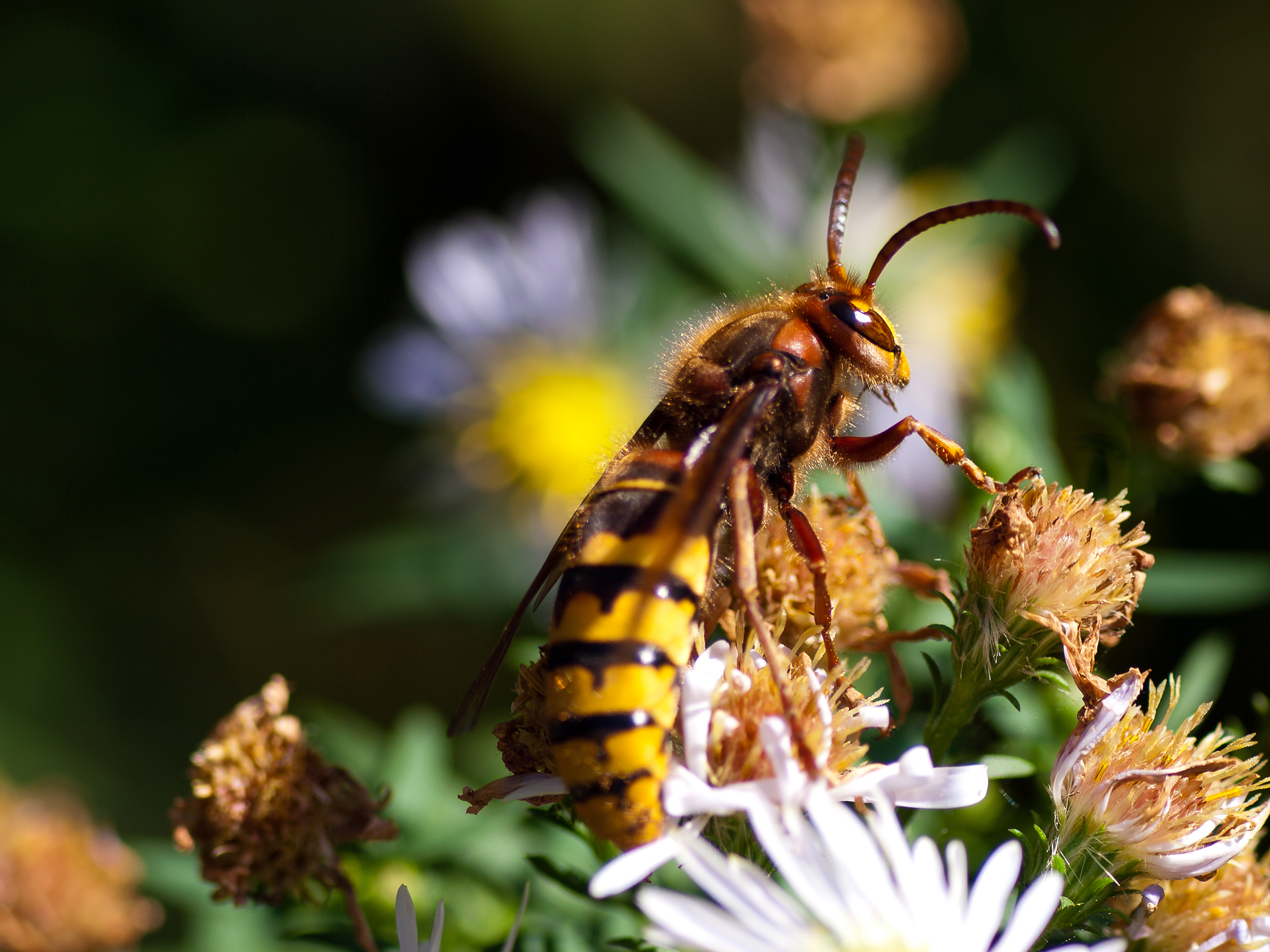 29 September 1684: It being Michaelmas, the Jolly Pinder of Wakefield (in song) deserts his beasts and pound and joins Robin Hood in the greenwood
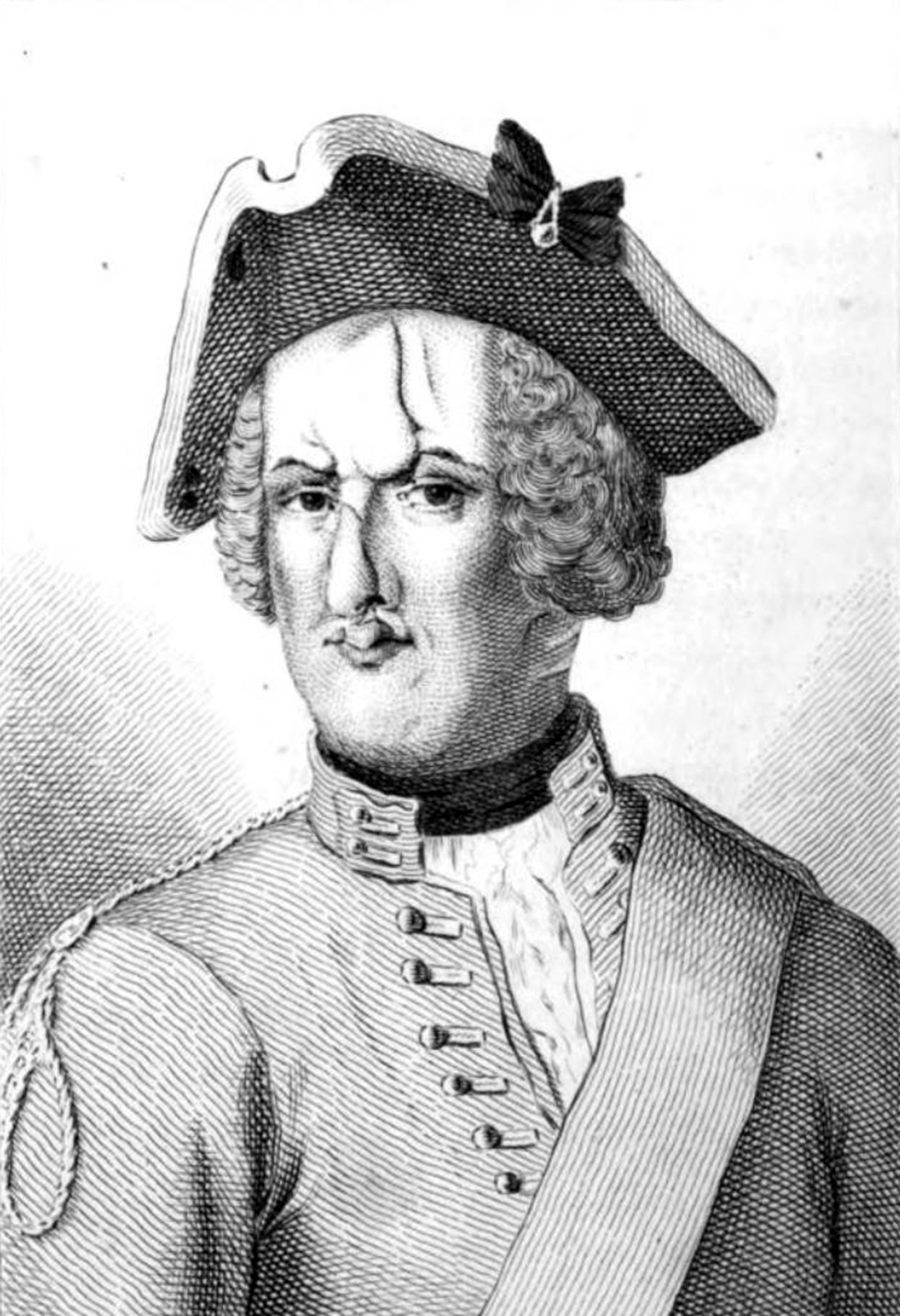 27 June 1743: Tom Brown of Kirkleatham’s heroics against the French today at Dettingen (Bavaria) lead his general, George II, to grant him a silver prosthetic nose, immortalised in ballad and portrait
 20 September 1635: Angry villagers bear William Hodshon on a pole into Sunday service at Appleton Wiske (Northallerton), assisted by a bagpiper and a churchwarden
Comment
Comment
This broad balk is presumably a portion left untouched between ploughed portions as boundary, path or waste – see e.g. this beautiful medieval ridge and furrow at Pickering. I’m guessing it’s the boundary with Welburn land on the east of the plot shown on this satellite image – but this may help clarify. Also historical mapping.
Ra.: Radulphus, Ralph?
Something to say? Get in touch
Search
Subscribe/buy
Donate
Music & books
Place-People-Play: Childcare (and the Kazookestra) on the Headingley/Weetwood borders next to Meanwood Park.
Music from and about Yorkshire by Leeds's Singing Organ-Grinder.
 RSS feed
 Bluesky
 Extwitter