20 June 1887: An infant Arthur Ransome celebrates Queen Victoria’s Golden Jubilee at Wold Newton
Arthur Ransome. 1976. The Autobiography of Arthur Ransome. Ed. Rupert Hart-Davis. London: Jonathan Cape. Get it:
.Unedited excerpt
If an excerpt is used in the book, it will be shorter, edited and, where applicable, translated.
My next early memory (if indeed autobiographies need such things) is of Queen Victoria’s Golden Jubilee in 1887. I was then three-and-a-half and carried a blue mug with me on my way to the Jubilee tea in a big tithe-barn at Wold Newton in Yorkshire. I can still see the raised floor at one end of the barn where the old people who had shared in the Coronation festivities of fifty years before were sitting in their smock frocks, the women all wearing linen sunbonnets. There is some point in recording such memories if the recorders live to a great age, and I am glad that I was taken by my father to have my head patted by a grey old man, one of the Baineses, who had been born in 1798, the year of the Lyrical Ballads, could remember Trafalgar, had been a youth of seventeen at the time of the Battle of Waterloo and, like Sir Walter Scott, had spoken with persons who could remember the Highlanders coming into England in 1745. This may seem interesting to some young friend of mine who in the year 2024 may like to say that he once knew an old fogey who had as a child seen one who had been born in the year when Coleridge was finishing The Ancient Mariner. But the memories that seem important to the rememberer are not of these chance touchings of the skirts of history, but of quite simple things, drifting snowflakes seen through a melted peephole in a frosted nursery window, the sun like a red-hot penny in the smoky Leeds sky, and the dreadful screaming of a wounded hare. That last I can never forget.

Comment
Comment
The Jubilee seems to have been celebrated on 20 June (Monday) and 21 June, but I have no idea what happened in Wold Newton and have assigned 20 in hope.
Something to say? Get in touch
Tags
Tags are assigned inclusively on the basis of an entry’s original text and any comment. You may find this confusing if you only read an entry excerpt.
- Air pollution (13) W/G ·
- Battle of Trafalgar (2) W/G ·
- Battle of Waterloo (7) W/G ·
- Coleridge, Samuel Taylor (1772-1834) (3), poet, literary critic, philosopher, and theologian; with Wordsworth, founder of the Romantic Movement in England and a member of the Lake Poets W/G ·
- Golden Jubilee of Queen Victoria (1) W/G ·
- Hare (5) W/G ·
- Jacobite rising of 1745 (3) W/G ·
- 📌Leeds (249) W/G ·
- Queen Victoria (10) W/G ·
- Ransome, Arthur (1884-1967) (2), author of inter alia the Swallows and Amazons series, journalist W/G ·
- Ransome, Cyril (1851-1897) (2), tutor at Rugby School, professor of history at the Yorkshire College in Leeds, father of Arthur Ransome W/G ·
- Scotland (38) W/G ·
- Scott, Walter (4) W/G ·
- Tithe (9) W/G ·
- Wold Newton, East Riding of Yorkshire (2) W/G ·
Comment
Comment
The Jubilee seems to have been celebrated on 20 June (Monday) and 21 June, but I have no idea what happened in Wold Newton and have assigned 20 in hope.
Something to say? Get in touch
Similar
 2 October 1800: Part of an obituary to Harry Rowe, Punch and Judy man, trumpeter at the Battle of Culloden and the York assizes, who died today, old and ill, in the York poorhouse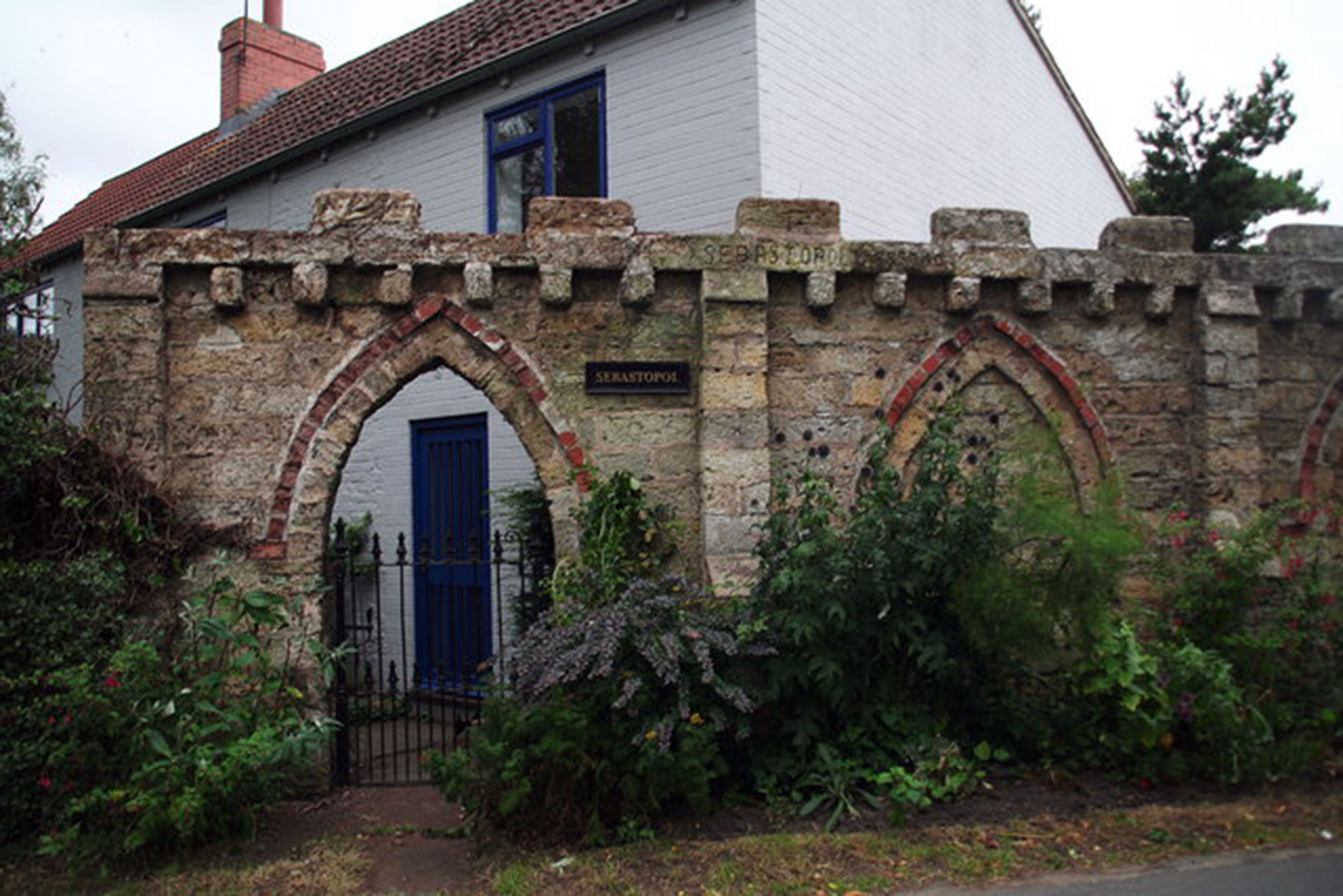
Comment
Comment
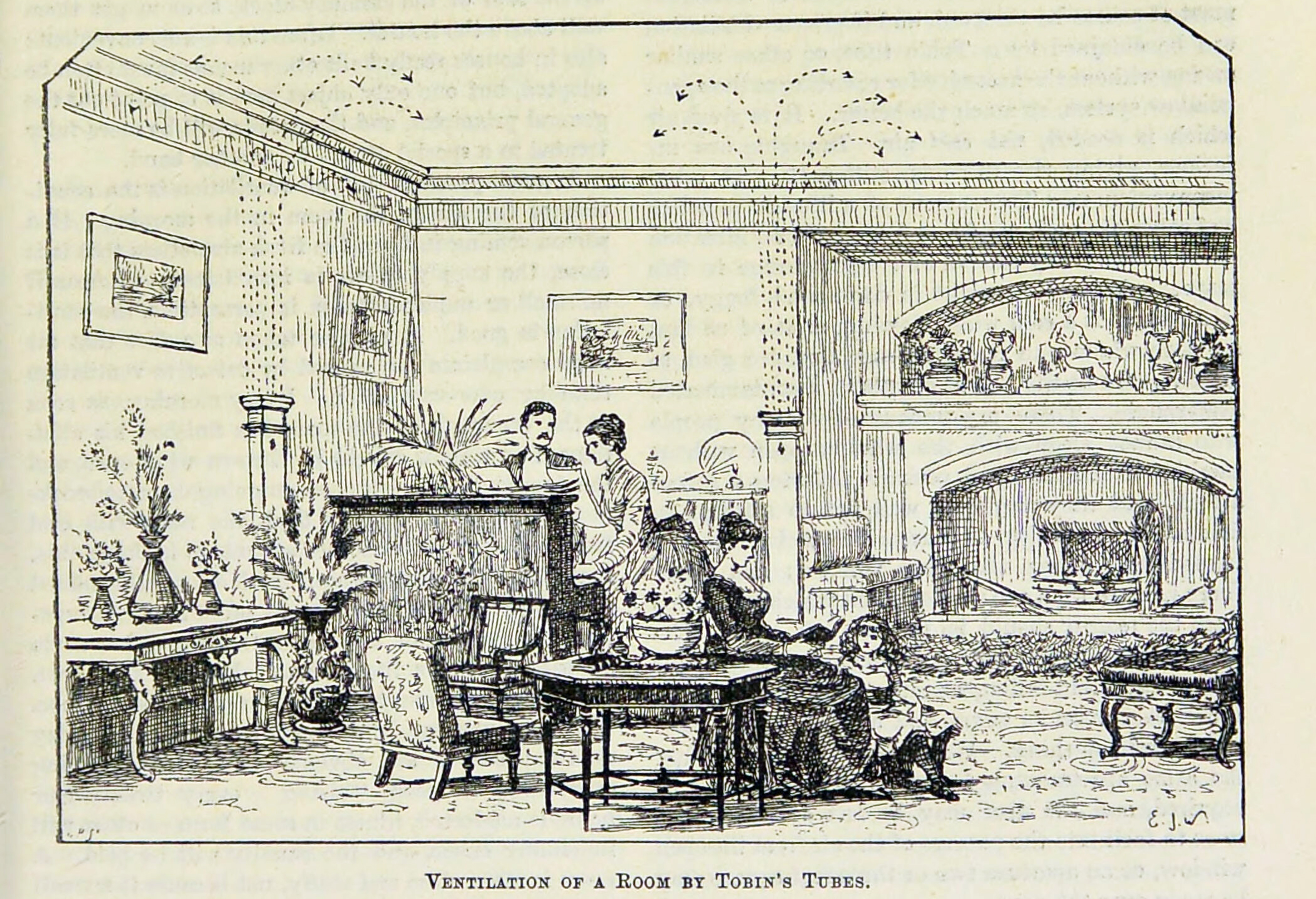
The Commissioners of Patents’ Journal records the seal on 1873/09/16 for:
1081 MARTIN TOBIN, of Leeds, in the county of York, Gentleman, for an invention of “An improved means or mode of ventilating rooms or apartments and in the apparatus employed therefor.” Dated 24th March, 1873. (Patent Office 1873/09/16)
I can’t find the volume for the first half of 1873.
John Whitehurst came to similar conclusions in the late 18th century (Whitehurst 1794).
I am sure that the devil was in the detail, but how good were Tobin’s Tubes really?
The Tobin tube (a vertical shaft, open at the top, and communicating with the outside at the base) was popular in Victorian times (c 1878). One such had a water trough at the base of the shaft, ostensibly to trap dust from the incoming air. The Tobin tube was not a success and, shortly after its introduction, Edwards stated flatly that either the free area was too small or the incoming air immediately spilled over the top onto the floor. Worse, the provision of lids meant that all too often they were permanently closed. Yet the Tobin tube remained in use for 30 years or more, and was even recommended by an early 20th century architect.
[…]
In 1894, Professor Jacob, a pathologist, held the architect in contempt:
In most cases architects are content to introduce an occasional air brick or a patented device called a “ventilator” … Real ventilation is so uncommon that the architect usually thinks this object has been attained if some of the windows can be opened. Some think that the presence of “ventilators”, especially if they have long names and are secured by Her Majesty’s letters patent, ensures the required end. We may as well supply our house with water by making the trap door in the roof to admit rain.
Something to say? Get in touch
Search
Subscribe/buy
Donate
Music & books
Place-People-Play: Childcare (and the Kazookestra) on the Headingley/Weetwood borders next to Meanwood Park.
Music from and about Yorkshire by Leeds's Singing Organ-Grinder.
 RSS feed
 Bluesky
 Extwitter