19 January 1905: A accident in fog on the Midland Railway between Leeds and Sheffield highlights the need for better communications technology
Spectator. 1903/01/21. [Cudworth Junction railway accident]. London. Get it:
.Unedited excerpt
If an excerpt is used in the book, it will be shorter, edited and, where applicable, translated.
A terrible accident occurred on the Midland Railway near Cudworth Junction, between Leeds and Sheffield, early on Thursday morning. The Scotch up express, drawn by two engines, and travelling at fifty miles an hour, ran into a mail train from Leeds to Sheffield, travelling slowly in the same direction and on the same rails. Both trains were completely wrecked and caught fire, and the down Scotch express was only just pulled up in time before running into the wreckage. Few passengers were travelling in the wrecked trains, but six persons were killed on the spot, including two boys who were returning to Bradfield College, another died during the day, and fifteen were injured, seven seriously. A thick fog prevailed at the time, and it is supposed that the express overran the signals, but at the moment of writing details are wanting. It is, however, quite clear that had it not been for the presence of mind of the guard of a goods train on an adjoining line, who happened to know that the down express was due, and ran to place detonators on the rails, many more lives would have been lost or endangered. The accident thus plainly emphasises the need of giving further and extended trials to the apparatus – described recently in these columns – which automatically establishes communication between signalmen and engine-drivers in a fog.


Comment
Comment
Something to say? Get in touch
Tags
Tags are assigned inclusively on the basis of an entry’s original text and any comment. You may find this confusing if you only read an entry excerpt.
- Accident (27) W/G ·
- 📌Barnsley (24) W/G ·
- Bradfield College (1) W/G ·
- 📌Cudworth Junction (1), a group of railway junctions near Cudworth and Carlton Main Colliery, near Barnsley W/G ·
- Cudworth railway station (1) W/G ·
- Cudworth, South Yorkshire (1) W/G ·
- Fog (1) W/G ·
- 📌Frickley Colliery (1903-93) (2), generally known as Carlton Main W/G ·
- 📌Leeds (249) W/G ·
- Midland Railway (2) W/G ·
- Rail transport (24) W/G ·
- Railway signalling (1) W/G ·
- 📌Sheffield (80) W/G ·
- Signalling block system (1) W/G ·
- Work accident (22) W/G ·
Comment
Comment
Something to say? Get in touch
Similar
 4 July 1838: 26 girls and boys drown trying to escape via a tunnel from flash flooding in Huskar Colliery, Silkstone, Barnsley, after the steam lifts fail during a rainstorm
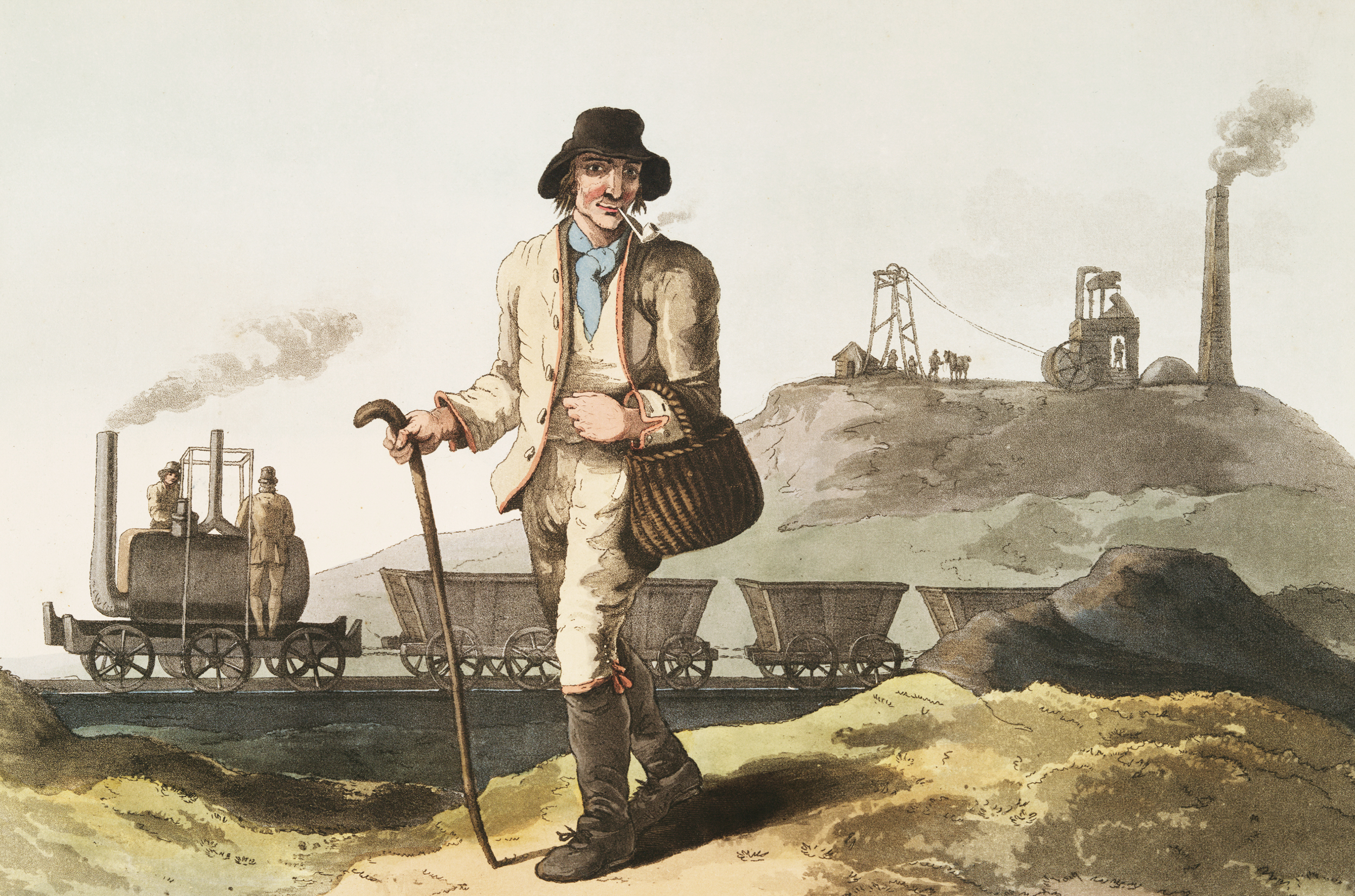 9 June 1758: Entry into law of the first dedicated railway enabling act, for Richard Humble and Charles Brandling’s wagonway from Middleton Colliery to the Aire at Leeds
 14 April 1848: The tombstone epitaph and verse for James Myers, killed on this day while working in the Bramhope Tunnel, and for his daughter, who died three weeks later
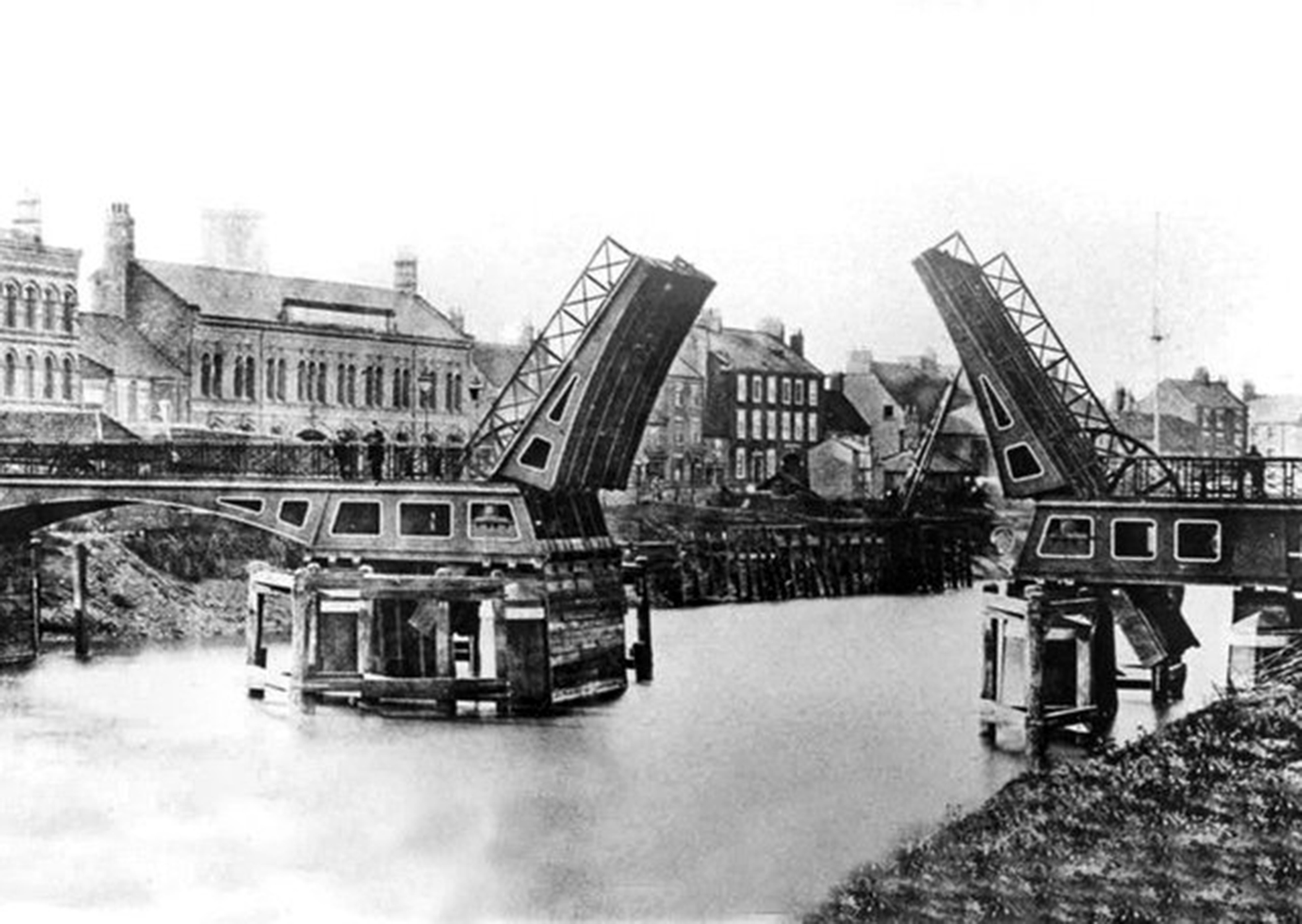 1 July 1840: The opening of the Hull and Selby Railway terminates the threat to Hull’s port from Goole, Scarborough and Bridlington
 20 March 1848: Showman Pablo Fanque tells an inquest how he overfilled a poorly propped Leeds circus, which collapsed, killing his wife
Comment
Comment
Re this wave of unofficial strikes:
Major-General Sir Noel Holmes, chairman of the north-eastern division of the National Coal Board, in a statement yesterday on the strike at Grimethorpe Colliery, said that 140 coal-face workers, out of 2,682 employed at the pit, were not doing a fair day’s work. A committee representing management and workmen had decided that the stint for the 140 workers should be increased by 2ft., but they refused to accept its findings and came out on strike. The other coal-face workers came out in sympathy. “As much as I dislike mentioning this fact,” said Sir Noel Holmes, “it is only right to recall that at Grimethorpe since January 1, 1947, and before the present strike, there have been 26 sectional unofficial stoppages, which have lost 33,000 tons of coal to the nation. The present stoppage up to date represents a further loss of more than 40,000 tons.” (Times 1947/08/27)
Holmes’s Wikipedia article curiously doesn’t mention this phase of his career.
I’m guessing that the Welsh ex-Puritan authoritarian Communist Arthur Horner is the voice of the NUM in the above – see e.g. the Times for 9 September.
Interesting comments on the wartime coal boards by T.S. Charlton, colliery manager at Cortonwood:
The management of the collieries is in the hands of men trained primarily in management of mines and miners. They have a working knowledge of all the machinery available and how best it can be used, but the details of this side are left to the mechanical and electrical engineer. Labour costs are two-thirds of production costs, and therefore the handling and the best use of men are of the greatest importance to managers. Why it should have been decided that labour leaders should be good labour directors is, apart from the political issue, difficult to understand, unless it is on the old adage of “poacher turned gamekeeper.” Unless and until the production director has control of his labour side, I can see little hope of his schemes proving effective.
The miners have put forward suggestions to improve output, but they appear to do no more than improve the position of the miner. Can it be said that any suggestion already put forward by the men has put up the output figure? Why should it be assumed the men’s side of the pit production committees should be able to improve output in any way? Their training, inclinations, and very job depend upon their obtaining the best for their electors rather than for production.
(Charlton 1943/12/01)
Charlton was clearly a clever and capable man – it would be good to know more about him.
Something to say? Get in touch
Search
Subscribe/buy
Donate
Music & books
Place-People-Play: Childcare (and the Kazookestra) on the Headingley/Weetwood borders next to Meanwood Park.
Music from and about Yorkshire by Leeds's Singing Organ-Grinder.
 RSS feed
 Bluesky
 Extwitter