25 August 1662: Following Charles II’s purge of Presbyterian ministers, Roundhead Captain John Hodgson of Coley Hall (Halifax) is again harassed as a suspected plotter
John Hodgson. 1882. Autobiography of Captain John Hodgson, of Coley Hall, near Halifax. Brighouse: A.B. Bayes. Get it:
.Unedited excerpt
If an excerpt is used in the book, it will be shorter, edited and, where applicable, translated.
The 25th August, 1662, the morning after the ministers were all silenced, they had a new plot in hand; and early in the morning, being Monday, a dark morning after black Bartholomew, the constables come to my house, with a party of horse, to apprehend me, with a warrant from Sir John Armitage, and after I had seen and read it, I made ready to go along with them, and Sir John being absent, the constables kept me prisoner until Wednesday-then I was brought before his worship, and he told he had several informations against me. I asked what they were, and who were the informers? He said I had furnished myself with good horses, and that there was a great plot in hand, and that I had a hand in it. And when he insisted on that, I offered him the best horse I had for L5, and told him it was like the rest of the things they had, from time to time, forged against me. He told me I must find sureties to appear at the next quarter sessions, and, in the interim, to be bound to the good behaviour. I asked him in what particular I had misbehaved myself? if there was nothing but lies and falsities against me, why should I be demanded such a thing?-adding I would not give in any sureties, he might do with me what he pleased,—and he then took my word to appear at the sessions, but his clerk, my false friend Lyster, sent me word not to trouble myself in appearing at the sessions. Sir John took me into an inner room, and called for a bottle of ale, and being private, I told him what hard measures I had from him, considering what I had done for him and his servants whenever they came with any complaint I thought it was a poor requital-and seeing that providence had ordered that I was fallen under his protection, I desired if he had anything against me that he would let me know if he sent the meanest boy about his house I would requite him, and wait upon him night or day, to prevent these bailiffs and soldiers-and he promised me very seriously, he would do it. But how he performed, take notice.

Comment
Comment
Does Hodgson’s black Bartholomew also invoke for him the French Catholic St. Bartholomew’s Day massacre of Huguenots?
Something to say? Get in touch
Tags
Tags are assigned inclusively on the basis of an entry’s original text and any comment. You may find this confusing if you only read an entry excerpt.
- Act of Uniformity 1662 (4) W/G ·
- Alcohol (drug) (62) W/G ·
- Armytage, John (1629-77) (1), 2nd Baronet, sheriff of Yorkshire 1668-9 W/G ·
- Bartholomew the Apostle (3) W/G ·
- Beer (36) W/G ·
- Calvinism (8) W/G ·
- Catholic Church (57) W/G ·
- Charles II (1630-85) (27), King of Scotland 1649-51, King of England, Scotland and Ireland from the 1660 Restoration until his death W/G ·
- Church of England (94) W/G ·
- Coley Hall (2) W/G ·
- Coley, West Yorkshire (2) W/G ·
- 📌Halifax (43) W/G ·
- Hodgson, John (3) W/G ·
- Nonconformism (47) W/G ·
- Presbyterianism (20) W/G ·
- Roundhead (21) W/G ·
- St. Bartholomew’s Day massacre (1) W/G ·
Comment
Comment
Does Hodgson’s black Bartholomew also invoke for him the French Catholic St. Bartholomew’s Day massacre of Huguenots?
Something to say? Get in touch
Similar

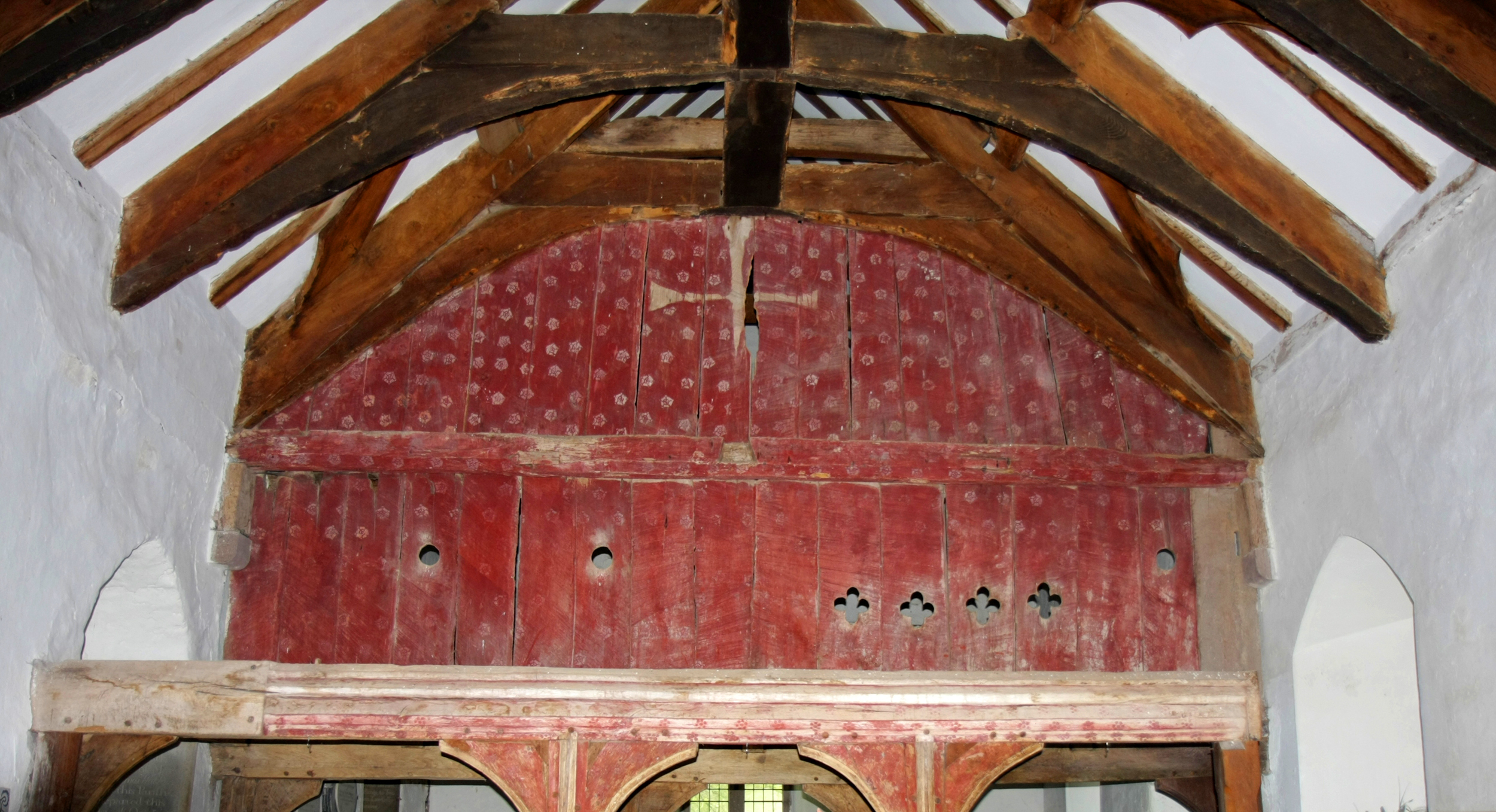 26 December 1570: Edmund Grindal, Puritan archbishop of York, orders the removal of rood-lofts (and their superstitious images), and the erection of pulpits
Comment
Comment
This is a Jesuit hagiography, and I don’t know to what extent the source reflects the substance of Dolben’s remarks. Wikipedia takes a more benevolent view of him:
In the aftermath of the Popish Plot, Dolben tried many of the accused, including Sir Thomas Gascoigne, 2nd Baronet and Sir Miles Stapleton; due to his impartial trait of pointing out inconsistencies in the prosecution’s evidence, both were acquitted.[4] At the trial of Mary Pressicks, who was accused of saying that “We shall never be at peace until we are all of the Roman Catholic religion”, Dolben saved her life by ruling that the words, even if she did speak them, could not amount to treason.[5] As a result of this and his opposition to Charles II’s removal of the City Corporation’s writs, he was “according to the vicious practise of the time” dismissed on 18 April 1683. Again working as a barrister, Dolben prosecuted Algernon Sidney in November 1683 before being reinstated as a Justice of the King’s Bench on 18 March 1689. Records from 29 April show him “inveighing mightily against the corruption of juries [during the Glorious Revolution]”,[1] and he continued sitting as a Justice until his death from an apoplectic fit on 25 January 1694,[6] and was buried in Temple Church.
Vulgar almanacs glory in death sentences and executions, but I suppose one (1) is called for.
Something to say? Get in touch
Search
Subscribe/buy
Donate
Music & books
Place-People-Play: Childcare (and the Kazookestra) on the Headingley/Weetwood borders next to Meanwood Park.
Music from and about Yorkshire by Leeds's Singing Organ-Grinder.
 RSS feed
 Bluesky
 Extwitter