15 June 1635: The administration of warrants by the Puritan Thomas Posthumous Hoby, “the best JP in the land”
William Brereton. 1915. The Journal of Sir William Brereton, 1635. North Country Diaries (Second Series). Ed. John Crawford Hodgson. Durham: Surtees Society. Get it:
.Unedited excerpt
If an excerpt is used in the book, it will be shorter, edited and, where applicable, translated.
This man the most understanding, able, and industrious justice of peace in this kingdome. Noe warrant graunted out butt he takes notice thereof in a booke : and att sessions an account demaunded of all those warrants sent out : which if the constables to whom, they are delivered, doe not exequute nor returne, and give an account: they are called uppon att the sessions : or if those that require and procure the warrants keepe them in their hands, and make use of them for their owne ends and doe nott deliver them to bee served they are bound over to the sessions.

Comment
Comment
Something to say? Get in touch
Tags
Tags are assigned inclusively on the basis of an entry’s original text and any comment. You may find this confusing if you only read an entry excerpt.
- Charles I (1600-49) (25), King of England, Scotland, and Ireland from 1625 until his execution during the Civil War W/G ·
- Constable (1) W/G ·
- Criminal law (1) W/G ·
- Hoby, Thomas Posthumus (1566-1640) (2), Puritan gentleman, MP at various times 1589-1629, said to have inspired Shakespeare's Malvolio W/G ·
- Justice of the peace (4) W/G ·
- Sir William Brereton, 1st Baronet (3) W/G ·
- Warrant (law) (1) W/G ·
- 📌York (165) W/G ·
Comment
Comment
Something to say? Get in touch
Similar
 2 July 1644: Henry Slingsby of the Royalist York garrison recounts Prince Rupert’s defeat at Marston Moor today, which ends Charles I’s hopes in the north
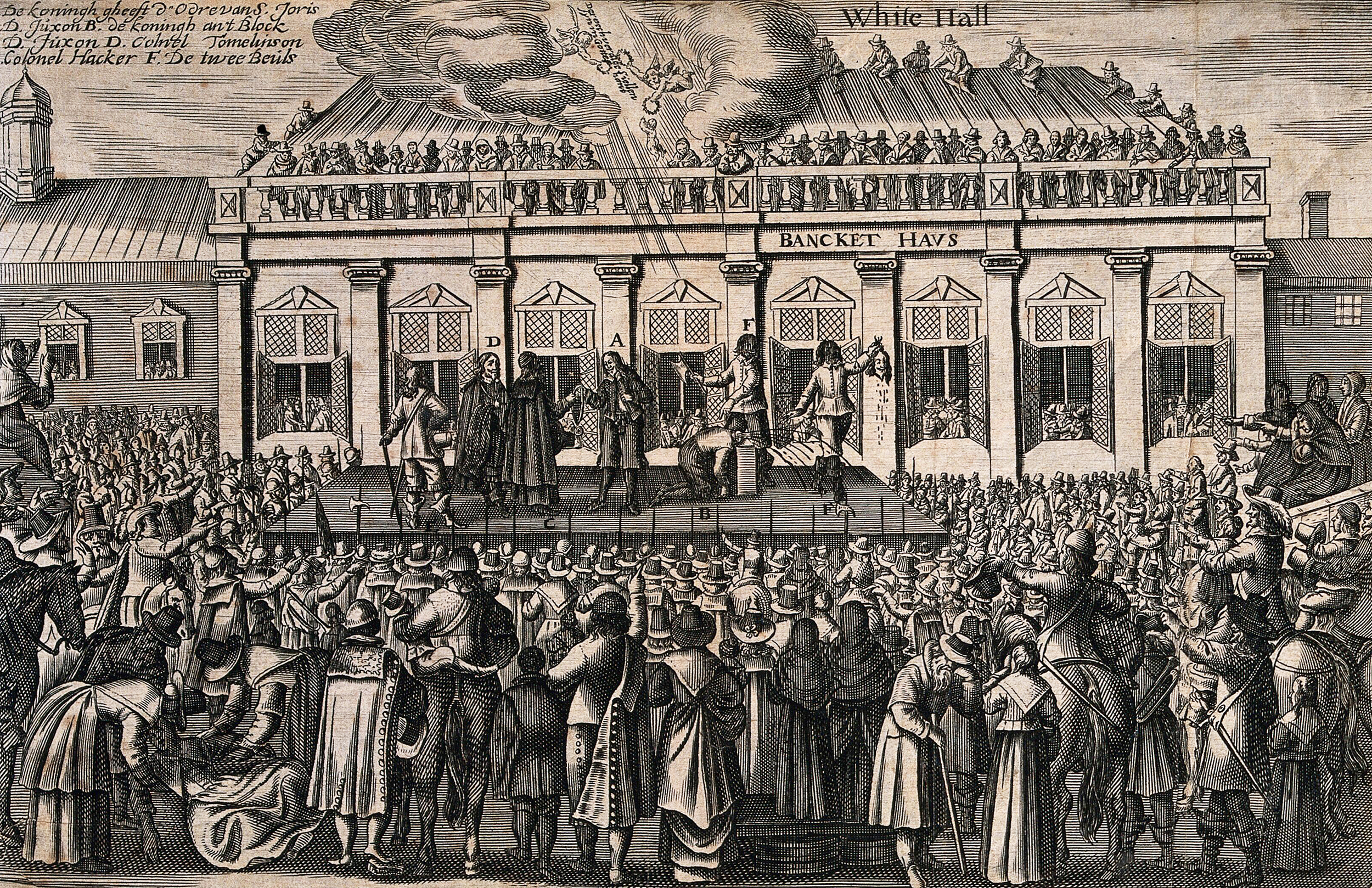 20 March 1649: Judge and Yorkshireman Francis Thorpe justifies to the grand jury at York the recent execution of Charles I
Comment
Comment
This is a Jesuit hagiography, and I don’t know to what extent the source reflects the substance of Dolben’s remarks. Wikipedia takes a more benevolent view of him:
In the aftermath of the Popish Plot, Dolben tried many of the accused, including Sir Thomas Gascoigne, 2nd Baronet and Sir Miles Stapleton; due to his impartial trait of pointing out inconsistencies in the prosecution’s evidence, both were acquitted.[4] At the trial of Mary Pressicks, who was accused of saying that “We shall never be at peace until we are all of the Roman Catholic religion”, Dolben saved her life by ruling that the words, even if she did speak them, could not amount to treason.[5] As a result of this and his opposition to Charles II’s removal of the City Corporation’s writs, he was “according to the vicious practise of the time” dismissed on 18 April 1683. Again working as a barrister, Dolben prosecuted Algernon Sidney in November 1683 before being reinstated as a Justice of the King’s Bench on 18 March 1689. Records from 29 April show him “inveighing mightily against the corruption of juries [during the Glorious Revolution]”,[1] and he continued sitting as a Justice until his death from an apoplectic fit on 25 January 1694,[6] and was buried in Temple Church.
Vulgar almanacs glory in death sentences and executions, but I suppose one (1) is called for.
Something to say? Get in touch
Search
Subscribe/buy
Donate
Music & books
Place-People-Play: Childcare (and the Kazookestra) on the Headingley/Weetwood borders next to Meanwood Park.
Music from and about Yorkshire by Leeds's Singing Organ-Grinder.
 RSS feed
 Bluesky
 Extwitter