19 March 1734: The dying son of a gypsy is baptised at Carlton in Cleveland
John Fairfax-Blakeborough. 1912. Life in a Yorkshire Village (with Special Reference to the Evolution, Customs, Folklore and Legends of Carlton-in-Cleveland, This Village Being Taken as a Type). Stockton-on-Tees: The Yorkshire Publishing Co. Get it:
.Unedited excerpt
If an excerpt is used in the book, it will be shorter, edited and, where applicable, translated.
1734: March 19th, John, the son of Kothar, a traveller, was baptised and buried ten days later. We should imagine that Kothar and his wife would be gipsies, and that they had tarried in Carlton whilst their son was born and till he was buried. En passant it may be interesting to mention that gipsies have (as should everyone) a tremendous veneration for the Sacrament of baptism, and have been known to have their children baptised several times.

Comment
Comment
Something to say? Get in touch
Tags
Tags are assigned inclusively on the basis of an entry’s original text and any comment. You may find this confusing if you only read an entry excerpt.
- Baptism (6) W/G ·
- Carlton in Cleveland (1) W/G ·
- Church of England (94) W/G ·
- Romani people (7) W/G ·
Comment
Comment
Something to say? Get in touch
Similar
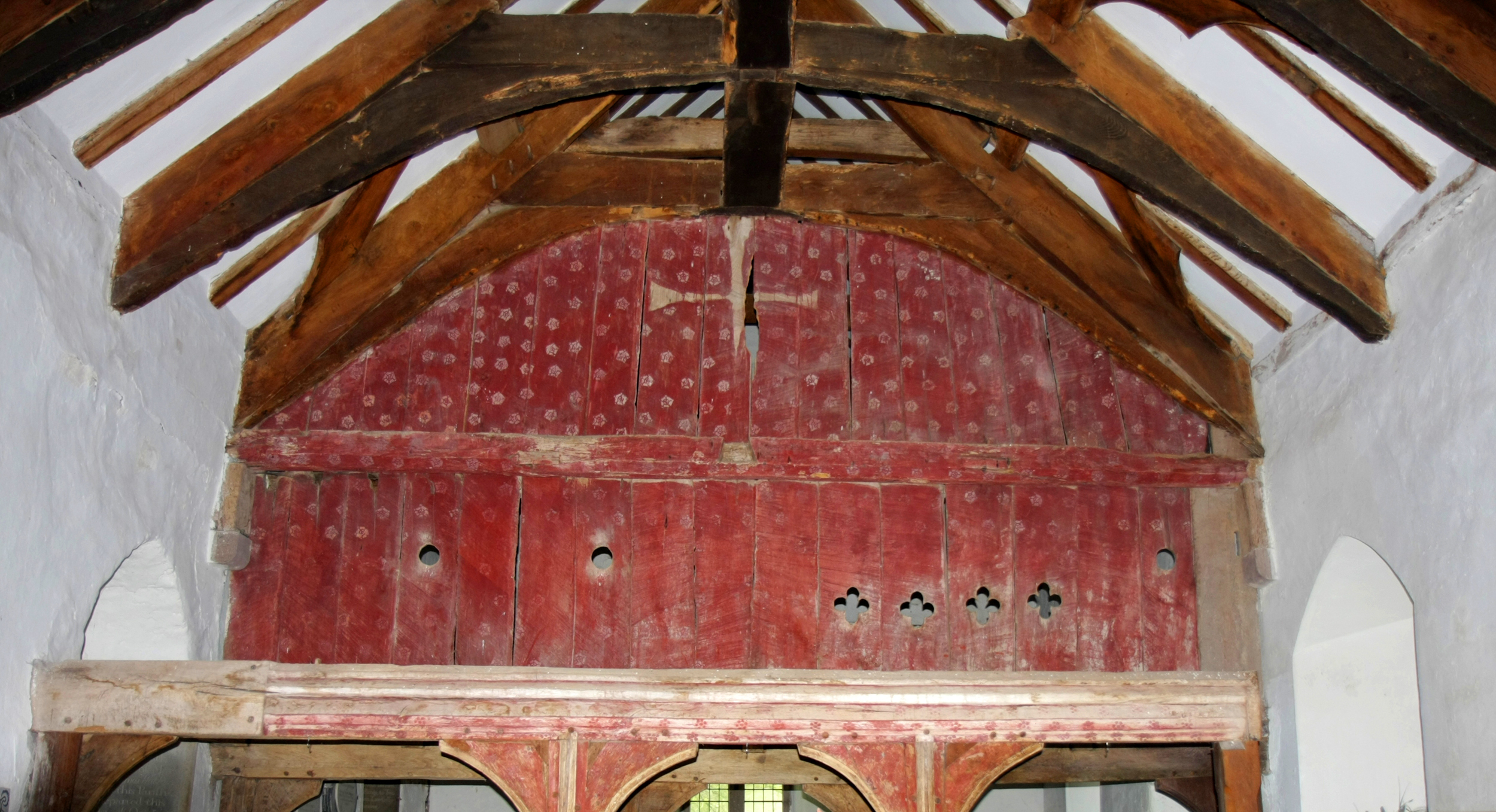 26 December 1570: Edmund Grindal, Puritan archbishop of York, orders the removal of rood-lofts (and their superstitious images), and the erection of pulpits
 3 January 1638: On the eve of the civil war, Henry Slingsby witnesses Royalist cavalry exercising near Wetherby on Bramham Moor, scene of the defeat of the Percy Rebellion in 1408
 12 April 0627: In a triumph for his Kentish wife, Edwin of Northumbria is baptised on Easter Sunday by Paulinus, in the latter’s wooden oratory on the site of York Minster
Comment
Comment
Although Mary Magdalene’s feast is conventionally 22 July, the Maudlin Fair was celebrated on and around 2 August on Magdalen Hill, Hedon. In 1820 the Sabbath preceding the fair was 30 July. John Nicholson, 70 years later, seems to suggest that it might not have been as unpleasant as the Methodist killjoys suggested:
As the Fair became of less importance, the tenant of the field tried to prevent anyone entering on the day appointed for the fair, and though sometimes unsuccessful, by dint of bribing and giving a shilling each to those desirous of entering, the fair was finally abolished about 1860. The following is a reprint of a song, descriptive of the fair in its best days:
Let lords in their bag wigs, and ladies in gauze,
At court strut and stare, or at balls seek applause,
Can such create envy, can aught give us care?
While pleasures invite us like Magdalen Fair.No plotting ambition, no polished deceit,
No patches or paint, at this revel we meet;
Our greetings are blessings not purchased by wealth,
The smile of content, and the rose bloom of health.Maidens long wishing for this happy day,
Pray old father time to pass quickly away;
To reach this gay scene, all contrivance they try,
And those who can’t get there – they sit down and cry.Here damsels all beauty, enlivened by youth,
With eyes full of lightning and hearts full of truth;
Impelled by dame nature in spite of their dads,
Parade in their finest! and skyme [squint] at the lads.And gallant young yeomen, our nation’s chief pride,
For such can be found in no country beside;
Each anxiously striving from notice apart,
To catch a kind look from the girl of his heart.All sports and diversions for old and for young,
A medley of frolic is this jovial throng;
Shrill whistles and trumpets, bagpipes and gewgaw
Pots boiling, dogs fighting, and game of E.O. [badger-baiting].Here’s wrestling and vaulting, and dancing on wire,
With fiddling, and juggling, and men eating fire,
Bold sergeants recruiting, lads ‘listing for life,
And family lessons from Punch and his wife.Stalls hung with fine trinkets, before and behind,
Rich sweets for the palate, and books for the mind,
Famed singers of ballads, excelled by none,
And tellers of fortunes, who don’t know their own!Huge giants, dwarf pygmies, wild beasts and wise ponies,
Rough bears taught to dance, with arch pug-macaronies!
Raree shows and safe horses, a penny a ride,
With grand entertainments, a thousand beside.In words all the wonders would never be told,
The way to enjoy, is to come and behold;
The king’s coronation could nothing compare
To half the delights of the Magdalen Fair.The badgers were obtained from the woods at Burton Constable, and were housed in barrels on the Fair ground. Sometimes there would be a dozen or more present at once. The man, who wished his dog to try conclusions with the badger, paid the owner of the badger sixpence; but the attempt to draw the badger not unfrequently ended in the death of the dog (Nicholson 1890).
How does “the game of E.O.” (evens and odds, an early form of roulette) come to be used for badger-baiting?
Something to say? Get in touch
Search
Subscribe/buy
Donate
Music & books
Place-People-Play: Childcare (and the Kazookestra) on the Headingley/Weetwood borders next to Meanwood Park.
Music from and about Yorkshire by Leeds's Singing Organ-Grinder.
 RSS feed
 Bluesky
 Extwitter