17 May 1321: Isabella Dayvill, apostate nun, is banished to suffer silence, hunger and punishment at Handale Priory (North Riding)
William Page, Ed. 1907. Houses of Cistercian Nuns. A History of the County of York, Vol. 3. London: Constable and Company. Get it:
.Unedited excerpt
If an excerpt is used in the book, it will be shorter, edited and, where applicable, translated.
On 17 May 1321 Archbishop Melton wrote to the Prioress and convent of Handale, that he was sending to them Isabella Dayvill, nun of the house of Rosedale, vestri ordinis, who, contrary to the honesty of religion, had apostatized. She was to undergo her appointed penance in their house, was to be last in the convent, was to talk to no one, secular or religious, and not to go out of the precincts of the monastery. Every Friday she was to fast on bread and water, and every Wednesday to abstain from fish, and on each of those days was to receive a discipline in chapter from the hands of the president.

Comment
Comment
“Apostate” probably means “runaway” – see also Joan of Leeds – WP and what purports to be her version.
Something to say? Get in touch
Tags
Tags are assigned inclusively on the basis of an entry’s original text and any comment. You may find this confusing if you only read an entry excerpt.
- Apostasy (1) W/G ·
- Catholic Church (57) W/G ·
- Cistercian nuns (1) W/G ·
- Cistercians (6) W/G ·
- 📌Handale Priory (1) W/G ·
- 📌Handale (1) W/G ·
- Joan of Leeds (1) W/G ·
- Melton, William (died 1340) (3), 43rd Archbishop of York (1317-1340), completed the nave of York Minster, fought the Scots, persecuted rebellious nuns W/G ·
- North Riding of Yorkshire (51) W/G ·
- Rosedale Abbey (1) W/G ·
- Ryedale (7) W/G ·
Comment
Comment
“Apostate” probably means “runaway” – see also Joan of Leeds – WP and what purports to be her version.
Something to say? Get in touch
Similar
Comment
Comment
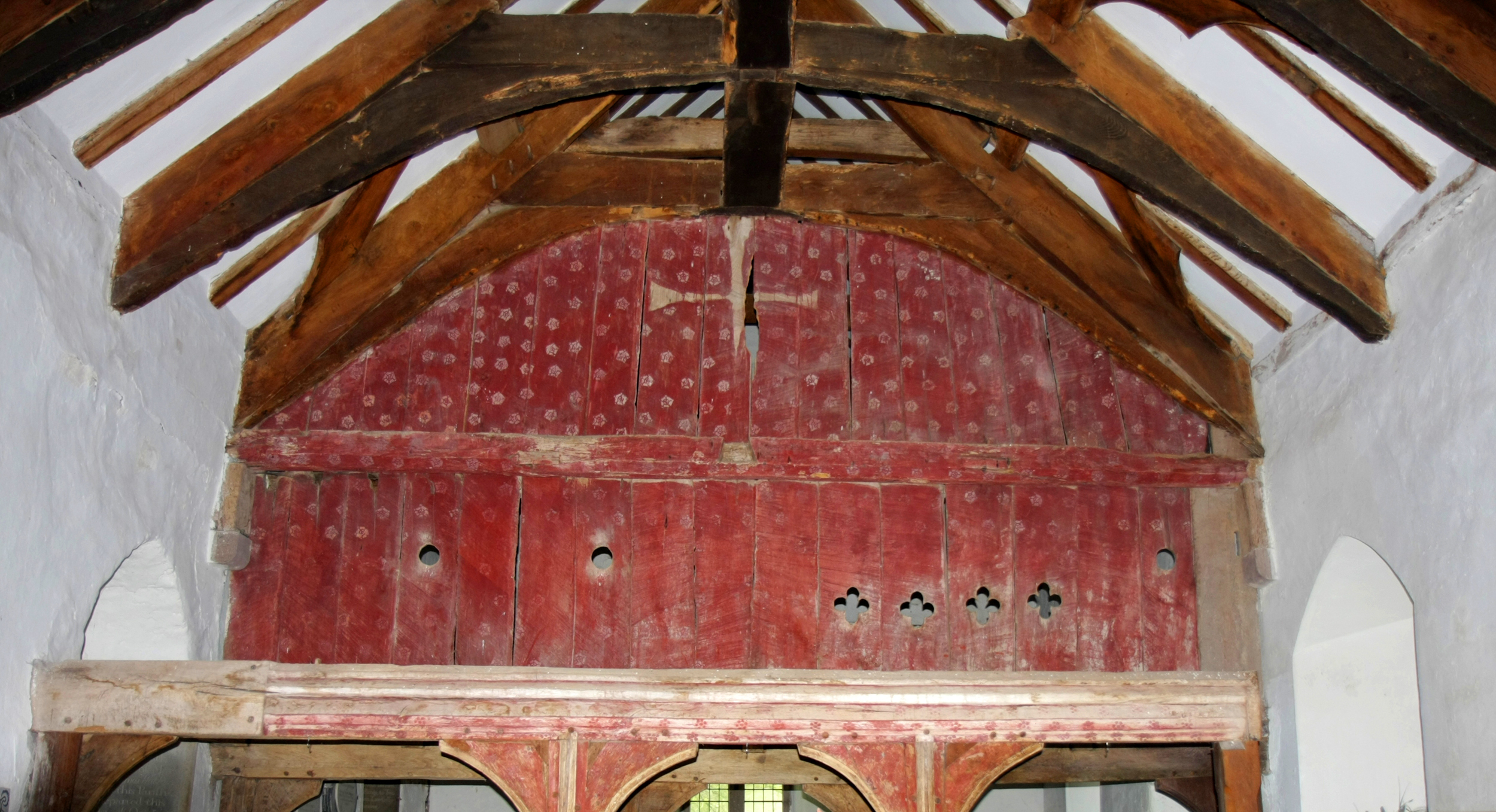
At some stage in 1571, either on the eve of or during a metropolitan visitation to his wayward flock, Grindal issued yet more injunctions:
By the heeding of which injunctions one may observe, how old Popish customs still prevailed in these northern quarters, and therefore what need there was of this general visitation; as the frequent use and veneration of crosses, months minds, obits and anniversaries, the chief intent whereof was praying for the dead; the superstitions used in going the bounds of the parishes; morris dancers and minstrels coming into the church in service-time, to the disturbance of God’s worship, putting the consecrated bread into the receiver’s mouth, as among the Papists the Priest did the wafer; crossing and breathing upon the elements in the celebration of the Lord’s Supper, and elevation; oil, tapers, and spittle in the other sacrament of Baptism; pauses and intermissions in reading the services of the Church; praying Ave-Maries and Pater-nosters upon beads; setting up candles in the churches to the Virgin Mary on Candlemas-day, and the like.
Something to say? Get in touch
Search
Subscribe/buy
Donate
Music & books
Place-People-Play: Childcare (and the Kazookestra) on the Headingley/Weetwood borders next to Meanwood Park.
Music from and about Yorkshire by Leeds's Singing Organ-Grinder.
 RSS feed
 Bluesky
 Extwitter