12 June 1635: A prominent Puritan finds poor buildings but good beer for Archbishop Richard Neile at Bishopthorpe Palace (York)
William Brereton. 1915. The Journal of Sir William Brereton, 1635. North Country Diaries (Second Series). Ed. John Crawford Hodgson. Durham: Surtees Society. Get it:
.Unedited excerpt
If an excerpt is used in the book, it will be shorter, edited and, where applicable, translated.
[1635] Junii 11. Wee came from Handf; and tooke horse about 8 in the morneing, and came to Wakefield about 7; wee baited att Bostockes att Woodhead where wee paid two-pence a pint for ale and 3s. 8d. pro victualls; and att Wakefield att the Bull, where wee lodged, wee paid 5s. for supper and breakefast. Itt is an honest, and excellent house: Here next morning I gave my bay mare garlyck and butter for hir cold butt itt wrought nothing with hir; nor did the drench, which I usually give, which I gave hir att Yorke next morneing; butt by the way I observed a connie-warren walled about with stone containeing about one or 2 acres of land; and nott farre from Yorke I went about half a mile out of the way to take a view of Bishopps-thorpe, the arch-bishopps palace which is about a mile or two distant from Yorke, placed sweetly uppon the banckside of the river Owes: Itt is the poorest and least capacious house, which I have found in Engl: belonging to any bishopricke: a verye little poore hall, and noe faire roomes in the whole house. In the chapple I observed the table, representing the altar, placed in the lower end of the chapple 3: A stone building which seemes to have been, an old chapple, converted into a dovehouse which hath two tunnells:
The church, which is the pareish church, called Bishops-thorpe church, is the least and poorest church I have mett withall in England ; here is onely a, curate maintained to say service.
The bishopps cellar here well furnished with 32 hoggsheades of good stronge beere and 8 pipes of the same; wee tasted of itt.

Comment
Comment
Something to say? Get in touch
Tags
Tags are assigned inclusively on the basis of an entry’s original text and any comment. You may find this confusing if you only read an entry excerpt.
- Archbishop of York (18) W/G ·
- 📌Bishopthorpe Palace (4) W/G ·
- 📌Bishopthorpe (6) W/G ·
- Charles I (1600-49) (25), King of England, Scotland, and Ireland from 1625 until his execution during the Civil War W/G ·
- Cheshire (5) W/G ·
- Handforth (1) W/G ·
- Neile/Neale, Richard (1562-1640) (2), churchman, bishop successively of six English dioceses, including the Archdiocese of York (1631 until his death); involved in the last burning at the stake for heresy in England, that of the Arian Edward Wightman in 1612 W/G ·
- Puritans (15) W/G ·
- River Ouse, Yorkshire (19) W/G ·
- Sir William Brereton, 1st Baronet (3) W/G ·
- 📌York (165) W/G ·
Comment
Comment
Something to say? Get in touch
Similar
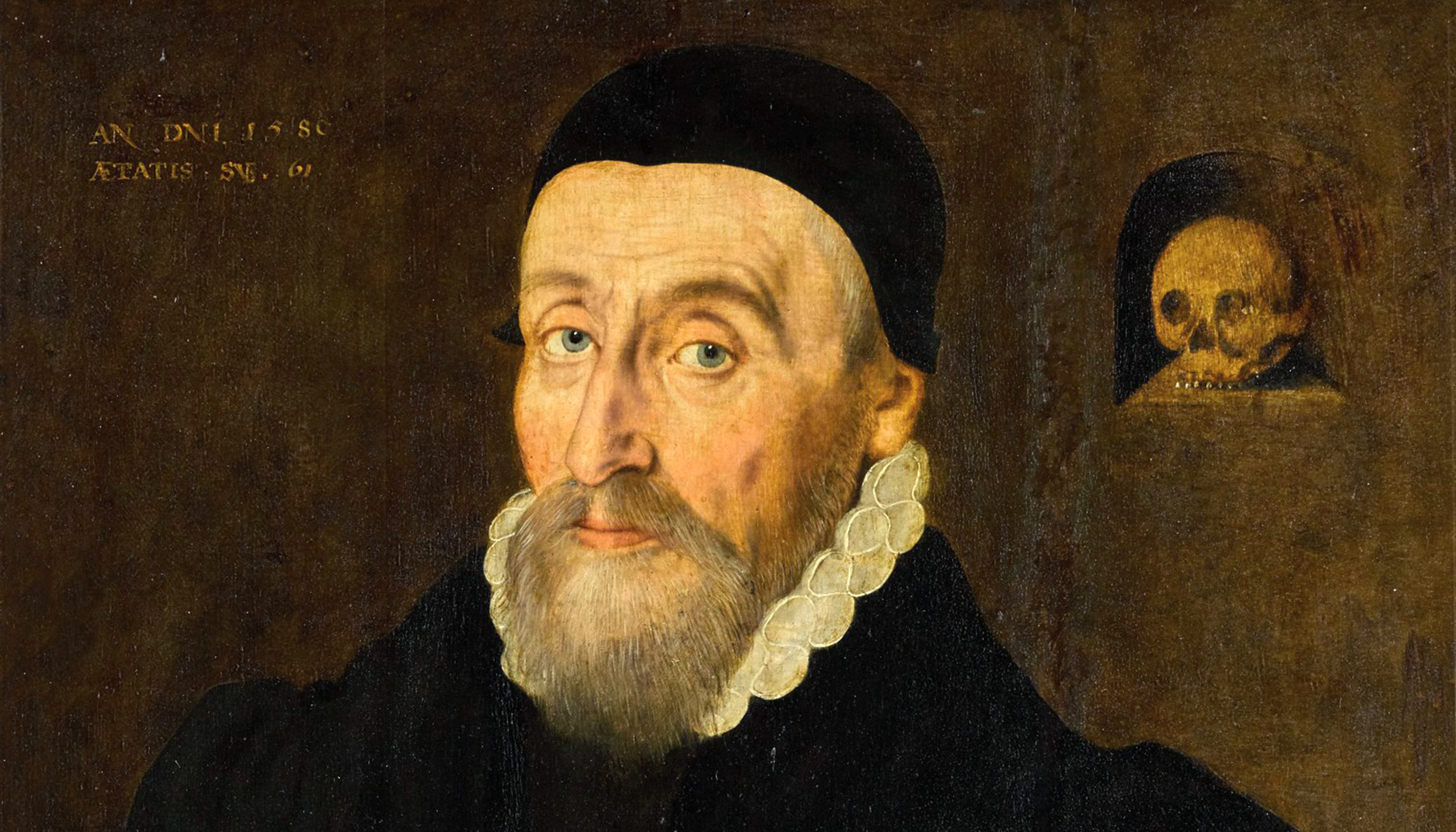 29 August 1570: On arriving in Yorkshire, Archbishop Grindal declares war on bloody-minded folk-Catholicism
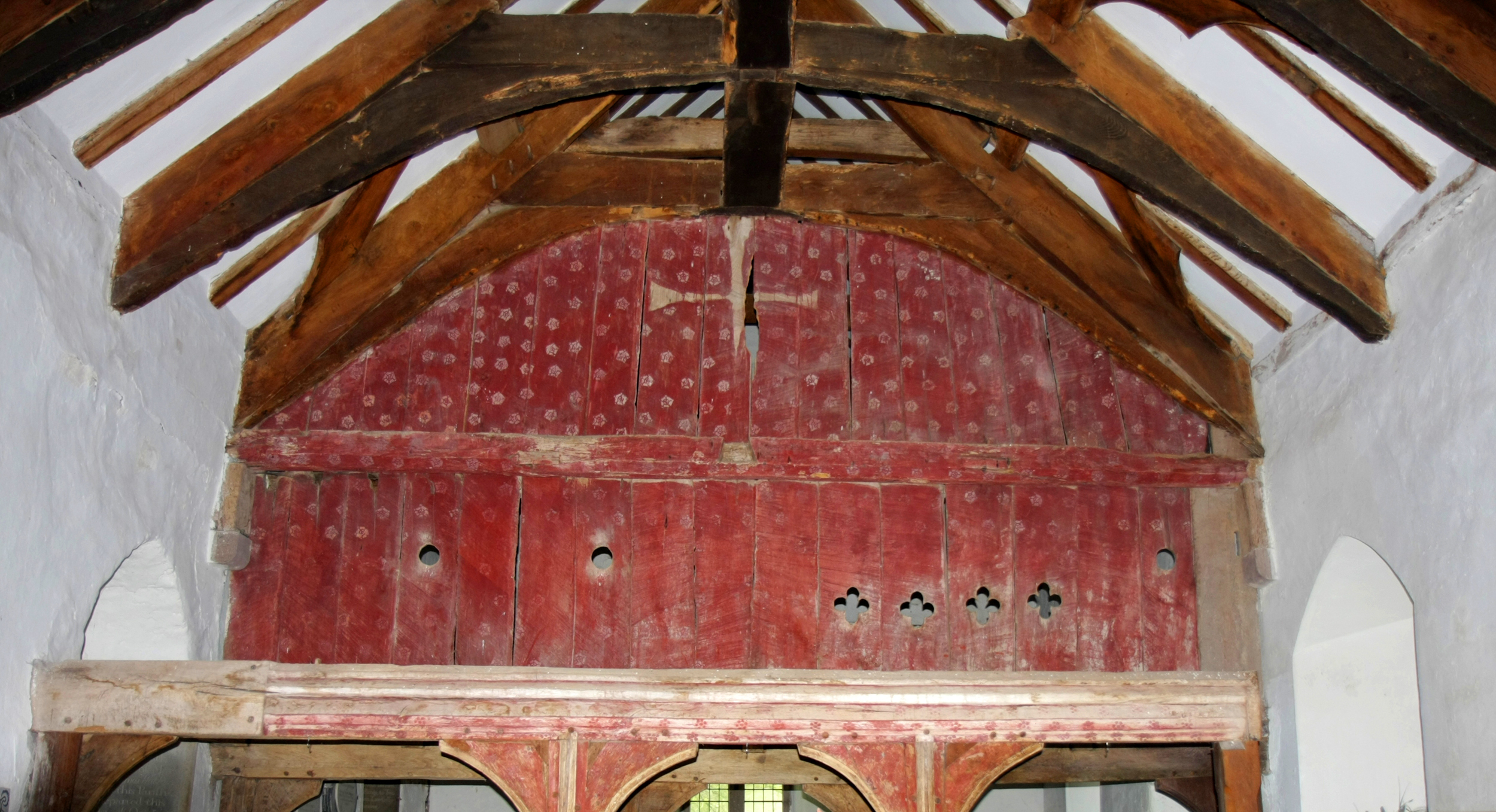 26 December 1570: Edmund Grindal, Puritan archbishop of York, orders the removal of rood-lofts (and their superstitious images), and the erection of pulpits
 2 July 1644: Henry Slingsby of the Royalist York garrison recounts Prince Rupert’s defeat at Marston Moor today, which ends Charles I’s hopes in the north
Comment
Comment
Orderic Vitalis:
In the month of August, Harold, king of Norway, and Tostig, with a powerful fleet set sail over the wide sea, and, steering for England with a favourable aparctic, or north wind, landed in Yorkshire, which was the first object of their invasion. Meanwhile, Harold of England, having intelligence of the descent of the Norwegians, withdrew his ships and troops from Hastings and Pevensey, and the other seaports on the coast lying opposite to Neustria, which he had carefully guarded with a powerful armament during the whole of the year, and threw himself unexpectedly, with a strong force by hasty marches on his enemies from the north. A hard-fought battle ensued, in which there was great effusion of blood on both sides, vast numbers being slain with brutal rage. At last the furious attacks of the English secured them the victory, and the king of Norway as well as Tostig, with their whole army, were slain. The field of battle may be easily discovered by travellers, as great heaps of the bones of the slain lie there to this day, memorials of the prodigious numbers which fell on both sides.
While however the attention of the English was diverted by the invasion of Yorkshire, and by God’s permission they neglected, as I have already mentioned, to guard the coast, the Norman fleet, which for a whole month had been waiting for a south wind in the mouth of the river Dive and the neighbouring harbours, took advantage of a favourable breeze from the west to gain the roads of St. Valeri. While it lay there innumerable vows and prayers were offered for the safety of themselves and their friends, and floods of tears were shed. For the intimate friends and relations of those who were to remain at home, witnessing the embarkation of fifty thousand knights and men-at-arms, with a large body of infantry, who had to brave the dangers of the sea, and to attack an unknown people on their own soil, were moved to tears and sighs, and full of anxiety both for themselves and their countrymen, their minds fluctuating between fear and hope. Duke William and the whole army committed themselves to God’s protection, with prayers, and offerings, and vows, and accompanied a procession from the church, carrying the relics of St. Valeri, confessor of Christ, to obtain a favourable wind. At last when by God’s grace it suddenly came round to the quarter which was the object of so many prayers, the duke, full of ardour, lost no time in embarking the troops, and giving the signal for hastening the departure of the fleet. The Norman expedition, therefore, crossed the sea on the night of the third of the calends of October [29th September], which the Catholic church observes as the feast of St. Michael the archangel, and, meeting with no resistance, and landing safely on the coast of England, took possession of Pevensey and Hastings, the defence of which was entrusted to a chosen body of soldiers, to cover a retreat and guard the fleet.
Meanwhile the English usurper, after having put to the sword his brother Tostig, and his royal enemy, and slaughtered their immense army, returned in triumph to London. As however worldly prosperity soon vanishes like smoke before the wind, Harold’s rejoicings for his bloody victory were soon darkened by the threatening clouds of a still heavier storm. Nor was he suffered long to enjoy the security procured by his brother’s death; for a hasty messenger brought him the intelligence that the Normans had embarked (Ordericus Vitalis 1853).
I rather like Eleanor Parker’s summing up of the end of the C text of the Chronicle:
The last entry in this version of the Chronicle is for 1066, and it contains a memorable cluster of significant events dated to points in the festival year. From Edward the Confessor, spending Christmas in Westminster at ‘Midwinter’ but dead and buried by ‘Twelfth Day’, the year runs through moments of political crisis dated to Easter, harvest and the Nativity of the Virgin Mary, as Harold Godwineson first gained, then fought to keep, the English crown. The last events recorded are a battle in Yorkshire between an English army and the forces of the Norwegian invader, Harald Hardrada, on ‘the Vigil of St Matthew the Apostle’ (20 September), then a few days later Harold Godwineson’s triumphant defeat of the Norwegian king at Stamford Bridge. Here the entry breaks off, and the Chronicle stops before reaching Hastings. For whatever reason, the chronicler was unable to write about that last autumn day.
When Christmas came that year, England had a new king, and would never be the same again. But Midwinter itself would have looked no different, and the cycle began another round. That last tumultuous year – in one sense, the last year of Anglo-Saxon history – was full of surprises and upheavals, yet the yearly cycle was stable and unchanging. And so it continued for many centuries.
(Parker 2022)
Something to say? Get in touch
Search
Subscribe/buy
Donate
Music & books
Place-People-Play: Childcare (and the Kazookestra) on the Headingley/Weetwood borders next to Meanwood Park.
Music from and about Yorkshire by Leeds's Singing Organ-Grinder.
 RSS feed
 Bluesky
 Extwitter