27 March 1690: At the première of an ode celebrating the “chief agents” of the Glorious Revolution – “the city and county of York” – London-based Yorkshiremen hear of domestic decline since the days of the Roman emperor Constantine
Thomas D’Ursey. 1719. An Ode on the Assembly of the Nobility and Gentry of the City and County of York, at the Anniversary Feast, March the 27th. 1690. Wit and Mirth, or, Pills to Purge Melancholy, Vol. 1. London: W. Pearson for J. Tonson. Get it:
.Unedited excerpt
If an excerpt is used in the book, it will be shorter, edited and, where applicable, translated.
Of Old, when Heroes thought it base
To be confin’d to Native Air,
And Glory brought a Martial Race
To breath their towring Eagles here,
The Sons of Fam’d Brigantium stood
Disputing Freedom with their blood;
Undaunted at the Purple flood,
Brigantium honour’d with a Race Divine;
Gave Birth to the Victorious Constantine.
Whose Colony whilst Planted there,
With blooming Glories still renew’d the Year,
The bashful Thames for Beauty so Renown’d,
In hast ran by her Puny Town;
And poor Augusta was asham’d to own.
Augusta then did drooping lye,
Though now she rears her towring front so high.
The Pale and Purple Rose,
That after cost so many Blows
When English Barons fought;
A Prize too dearly bought:
By the fam’d Worthies of that Shire,
Still best by Sword and Shield defended were.
And in each Tract of Glory since,
For their Lov’d Country and their Prince;
Princes that hate Rome’s Slavery,
And join the Nations Right with their own Royalty,
None were more ready in distress to save,
None were more Loyal, none more Brave.
And now when the Renown’d Nassau
Came to restore our Liberty and Law,
The work so well perform’d and done,
They were the first begun;
They did no storms or threatnings fear,
Of Thunder in the grumbling Air,
Or any Revolutions near:
The Noble work large hopes of freedom told,
Freedom Inspir’d their minds and made ’em bold,
And gave them English Hearts like those of Old,
To welcome their Redeemer when he came,
Whose Vertue and whose Fame,
Made our long smother’d Joys burst into brighter flame,
So when the Glittering Queen of Night,
With black Eclipse is shadow’d o’re,
The Globe that swells with sullen Pride,
Her dazling Charms to hide,
Does but a little time abide,
And then each Ray is brighter than before,
CHORUS of all.
Let Musick joyn in a Chorus Divine,
In praise of all, of all, of all,
That Celebrate, that Celebrate,
This Glorious Festival.
Sound Trumpets sound, beat every Drum,
Till it be known through Christendom;
This is the knell of falling Rome,
To him that our mighty Defender has been,
Sound all,
And to all the Heroes invited him in,
Sound all,
And as the chief Agents of this Royal Work,
Long flourish the City and County of York.

Comment
Comment
The ode is a lovely little thing, and lines like “Of old, when heroes thought it base/ To be confined to native air” might even cause a twitterstorm. A recording. W.H. Cummings’ edition strikes me as an excellent point of departure (Purcell 1878).
The prophecies of Nixon, the Cheshire Merlin, give hope:
London streets shall run with blood,
And at last shall sink,
So that it shall be fulfill’d
That Lincoln was, London is, and York shall be
The finest city of the three.
(Northall 1892)
Something to say? Get in touch
Tags
Tags are assigned inclusively on the basis of an entry’s original text and any comment. You may find this confusing if you only read an entry excerpt.
- Brigantes (1) W/G ·
- Brigantia (ancient region) (1) W/G ·
- Catholic Church (57) W/G ·
- Constantine the Great (1) W/G ·
- Eboracum (2) W/G ·
- Glorious Revolution (7) W/G ·
- Great Fire of London (3) W/G ·
- Humour (29) W/G ·
- James II (20) W/G ·
- Londinium (1) W/G ·
- London (84) W/G ·
- Mary II of England (2) W/G ·
- Music (26) W/G ·
- Ode (1) W/G ·
- Poetry (75) W/G ·
- Protestantism (25) W/G ·
- Purcell, Henry (1659-95) (2), one of England's finest composers W/G ·
- River Thames (3) W/G ·
- Robert Nixon (prophet) (1) W/G ·
- Roman Britain (occupation AD 43-410) (8) W/G ·
- Thomas d’Urfey (1) W/G ·
- Wars of the Roses (1455-87) (4), a series of civil wars fought for the English throne between two Plantagenet branches, the Houses of Lancaster and York W/G ·
- William Hayman Cummings (1) W/G ·
- William III (9) W/G ·
- 📌York (165) W/G ·
Comment
Comment
The ode is a lovely little thing, and lines like “Of old, when heroes thought it base/ To be confined to native air” might even cause a twitterstorm. A recording. W.H. Cummings’ edition strikes me as an excellent point of departure (Purcell 1878).
The prophecies of Nixon, the Cheshire Merlin, give hope:
London streets shall run with blood,
And at last shall sink,
So that it shall be fulfill’d
That Lincoln was, London is, and York shall be
The finest city of the three.
(Northall 1892)
Something to say? Get in touch
Similar
 23 December 1689: A Danish soldier is beheaded at Beverley for killing a comrade in a duel, inspiring some doggerel
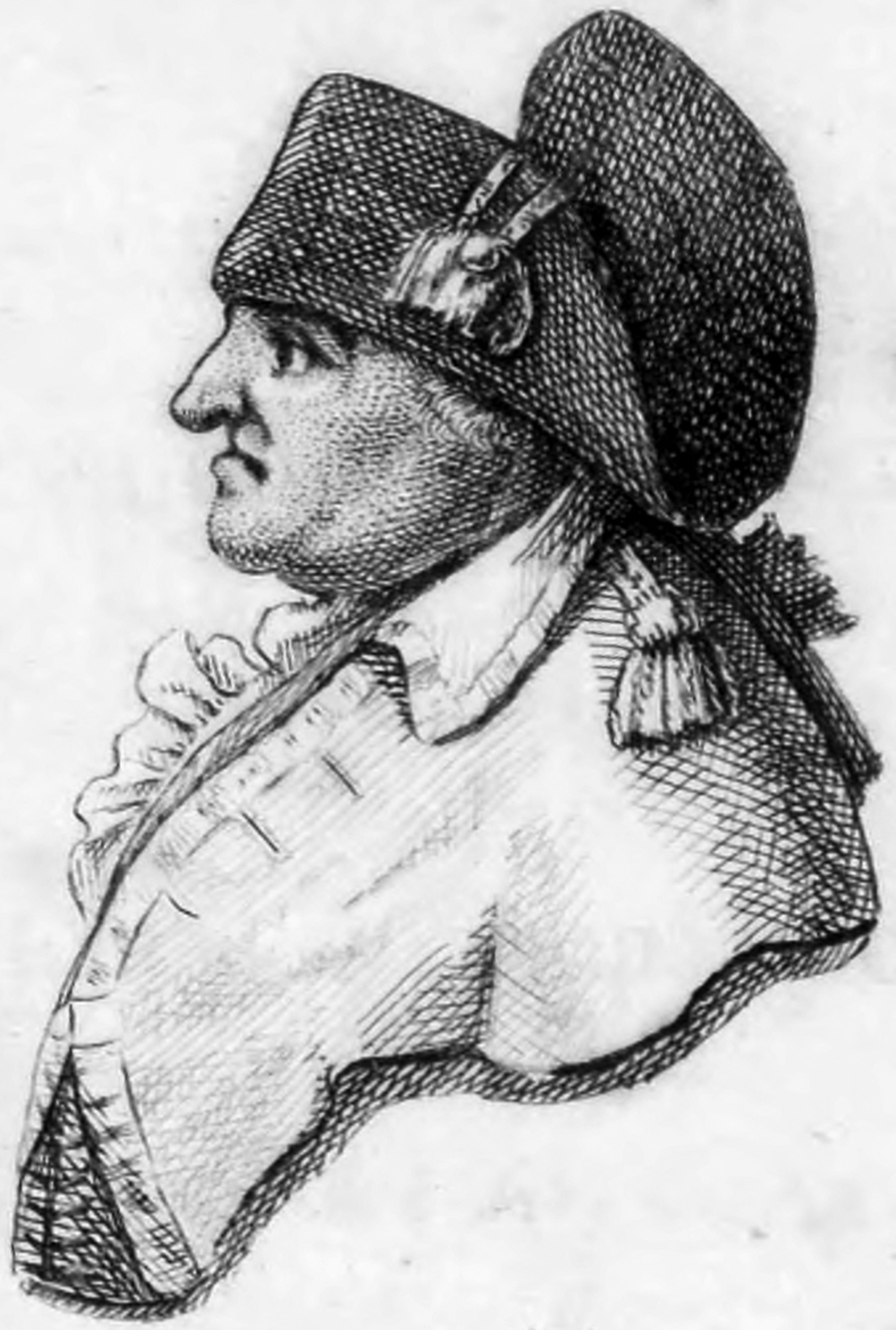 2 October 1800: Part of an obituary to Harry Rowe, Punch and Judy man, trumpeter at the Battle of Culloden and the York assizes, who died today, old and ill, in the York poorhouse
Comment
Comment
This is far better than the well-known mnemonic of monarchs:
Willie Willie Harry Stee
Harry Dick John Harry three;
One two three Neds, Richard two
Harrys four five six … then who?
Etc etc.
Something to say? Get in touch
Search
Subscribe/buy
Donate
Music & books
Place-People-Play: Childcare (and the Kazookestra) on the Headingley/Weetwood borders next to Meanwood Park.
Music from and about Yorkshire by Leeds's Singing Organ-Grinder.
 RSS feed
 Bluesky
 Extwitter