15 August 1781: The ineffably peripatetic John Wesley discovers a movable pulpit in Sheffield
John Wesley. 1832. The Journal of the Reverend John Wesley, Sometime Fellow of Lincoln College, Oxford, Vol. 2. Ed. John Emory. New York: J. Emory and B. Waugh. Get it:
.Unedited excerpt
If an excerpt is used in the book, it will be shorter, edited and, where applicable, translated.
Wed. 15. – I went to Sheffield. In the afternoon I took a view of the chapel lately built by the duke of Norfolk; one may safely say, there is none like it in the three kingdoms; nor, I suppose, in the world. It is a stone building, an octagon, about eighty feet diameter. A cupola, which is at a great height, gives some, but not much light. A little more is given by four small windows, which are under the galleries. The pulpit is movable: it rolls upon wheels; and is shifted once a quarter, that all the pews may face it in their turns; I presume the first contrivance of the kind in Europe.

Comment
Comment
If Wesley had been an industrial, instead of a spiritual, entrepreneur he might have dreamt of a far-reaching combination of himself and pulpit, and designed a popemobile, or reïmagined himself as a Dalek:
I haven’t yet identified the chapel in question. It is said that the Wesleyans liked octagonal chapels because they satisfied their needs and the requirements of the church hierarchy, but I lack chapter & verse. The oldest octagonal chapel in continuous use by the Methodists appears to be the 1763 one at Yarm. Here’s an evocative picture of the original one at Heptonstall.
Something to say? Get in touch
Tags
Tags are assigned inclusively on the basis of an entry’s original text and any comment. You may find this confusing if you only read an entry excerpt.
- Charles Howard, 10th Duke of Norfolk (1) W/G ·
- Church architecture (2) W/G ·
- Church of England (94) W/G ·
- Dalek (1) W/G ·
- Doctor Who (1) W/G ·
- Heptonstall (3) W/G ·
- Methodism (38) W/G ·
- Pulpit (2) W/G ·
- 📌Sheffield (80) W/G ·
- South Yorkshire (10) W/G ·
- Wesley, John (1703-91) (21), cleric and leader of a evangelical revival movement within the Church of England known as Methodism W/G ·
- 📌Yarm Methodist Church (1) W/G ·
- 📌Yarm (7), market town on the south bank of the River Tees, a port before industry moved closer to the sea W/G ·
Comment
Comment
If Wesley had been an industrial, instead of a spiritual, entrepreneur he might have dreamt of a far-reaching combination of himself and pulpit, and designed a popemobile, or reïmagined himself as a Dalek:
I haven’t yet identified the chapel in question. It is said that the Wesleyans liked octagonal chapels because they satisfied their needs and the requirements of the church hierarchy, but I lack chapter & verse. The oldest octagonal chapel in continuous use by the Methodists appears to be the 1763 one at Yarm. Here’s an evocative picture of the original one at Heptonstall.
Something to say? Get in touch
Similar
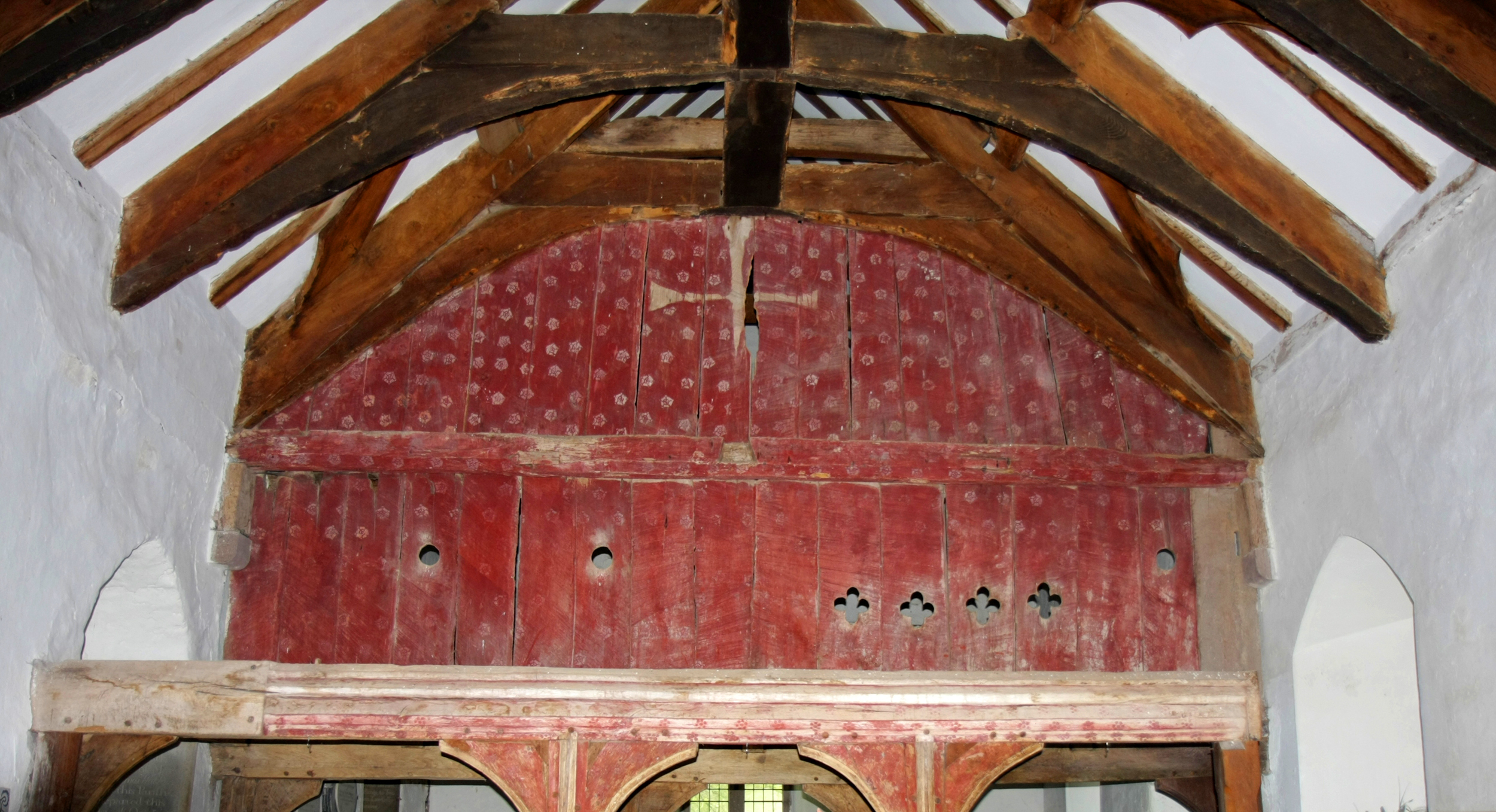 26 December 1570: Edmund Grindal, Puritan archbishop of York, orders the removal of rood-lofts (and their superstitious images), and the erection of pulpits
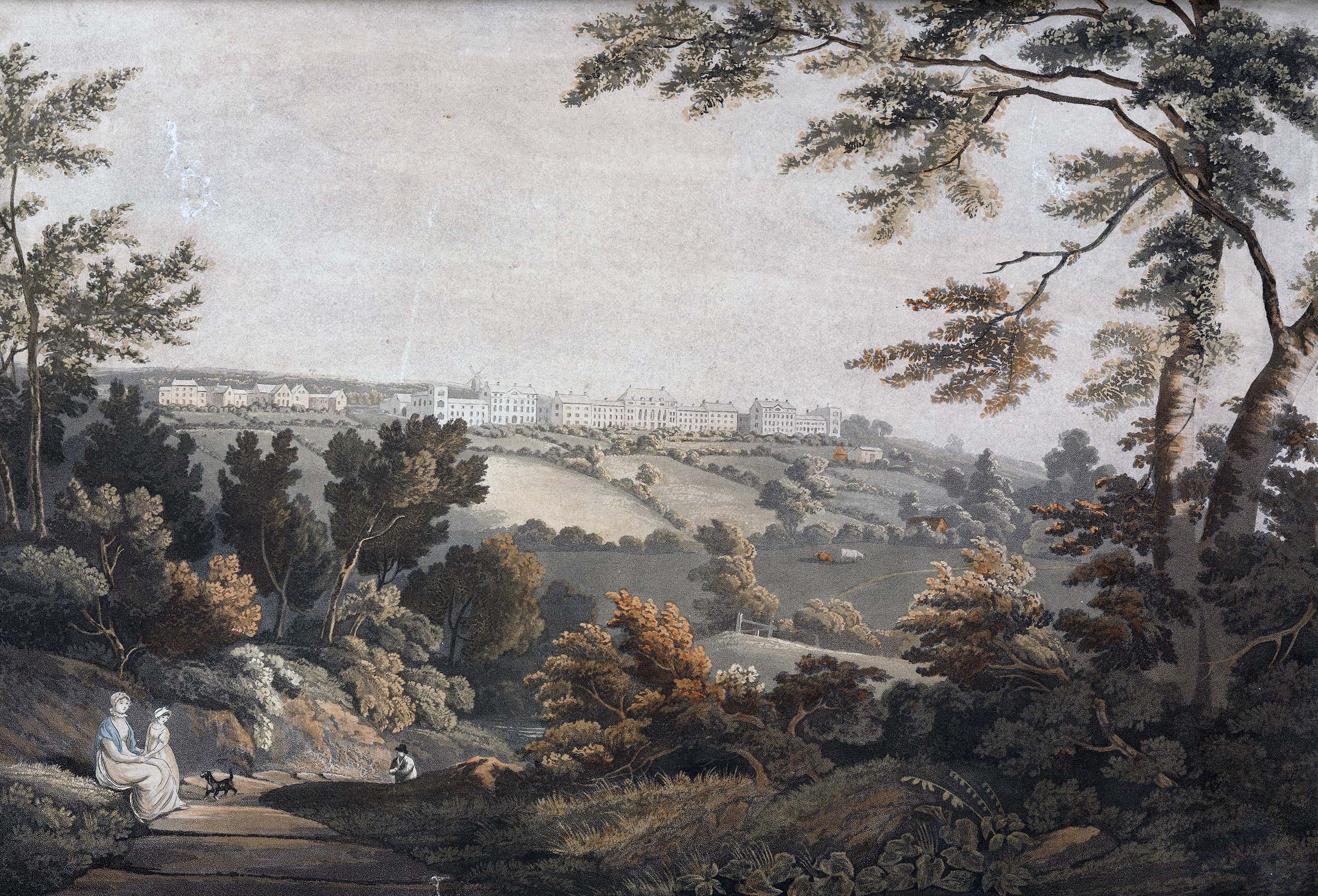 28 April 1747: John Wesley visits “the new house of the Germans” (the Moravians) at Pudsey, which is financed by overseas donations
Comment
Comment
James Wardell gives the date and the name of the gaoler, the latter apparently on the authority of Nelson, though I can’t find it; no idea where he got the date, but 6 May 1744 was a Sunday:
The old prison of the Borough, (originally situate in that part of Briggate, lately called “Cross Parish,”) was removed to the south side of Kirkgate in 1655; it was a most wretched place, and contained five or six dark and miserable apartments, without even a sewer or a fire place, in addition to which, the windows thereof were not even glazed. It was remarked by the philanthropic Howard in reference to this building, that an hour was too long to remain in such a place. Yet it was here, that John Nelson, one of the first Methodist preachers, was confined on the 6th May, 1744, when passing through the town, after having been illegally impressed for a soldier: the name of the gaoler, who, (according to Nelson’s Journal,) kindly permitted above one hundred of his friends to visit him the same night in the gaol, was “James Barber,” late “an Innholder in this Burrough.” Opposite the prison was the common bakehouse which had existed from an early period, but the privileges with which it was invested, have, together with the building, long ago ceased to exist (Wardell 1846).
Something to say? Get in touch
Search
Subscribe/buy
Donate
Music & books
Place-People-Play: Childcare (and the Kazookestra) on the Headingley/Weetwood borders next to Meanwood Park.
Music from and about Yorkshire by Leeds's Singing Organ-Grinder.
 RSS feed
 Bluesky
 Extwitter