14 April 1792: The ballad of Spence Broughton, hung this day at the York Tyburn for robbing the Sheffield and Rotherham mail
C.J. Davison Ingledew. 1860. The Ballads and Songs of Yorkshire. London: Bell and Daldy. Get it:
.Unedited excerpt
If an excerpt is used in the book, it will be shorter, edited and, where applicable, translated.
To you my dear companions,
Accept these lines I pray;
A most impartial trial
Has occupied this day.
‘Tis from your dying Broughton
To show his wretched fate,
I hope you’ll make reformation
Before it is too late.
The loss of your companion
Does grieve my heart full sore,
And I know that my fair Ellen
Will my wretched fate deplore.
I think on those happy hours
That now are past and gone,
Now poor unhappy Broughton
Does wish he had ne’er been born.
One day in Saint James’s
With large and swelling pride,
Each man had a flash woman
Walking by his side;
At night we did retire
Unto some ball or play,
In these unhappy pleasures
How time did pass away.
Brought up in wicked habit,
Which brings me now in fear,
How little did I think
My time would be so near;
For now I’m overtaken,
Condemned and cast to die,
Exposed a sad example
To all that does pass by.
O that I had but gone
To some far-distant clime,
A gibbet post, poor Broughton,
Would never have been mine;
But alas, for all such wishes,
Such wishes are in vain,
Alas! it is but folly
And madness to complain.
One night I tried to slumber
And close my weeping eyes,
I heard a foot approach
Which struck me with surprise;
I listened for a moment,
A voice made this reply,
“Prepare thyself, Spence Broughton,
To-morrow you must die.”
O awful was the messenger
And dismal was the sound,
Like a man that was distracted
I rolled upon the ground;
My tears they fell in torrents,
With anguish I was torn;
I am poor unhappy Broughton,
I wish I had ne’er been born.
Farewell, my wife and children,
To you I do bid adieu,
I never should have come to this
Had I staid at home with you.
I hope thro’ my Redeemer
To gain the happy shore,
Farewell! farewell! farewell for ever,
Spence Broughton soon will be no more.


Comment
Comment
Something to say? Get in touch
Tags
Tags are assigned inclusively on the basis of an entry’s original text and any comment. You may find this confusing if you only read an entry excerpt.
- Attercliffe (4) W/G ·
- Capital punishment (7) W/G ·
- Gibbet (1) W/G ·
- Hanging (25) W/G ·
- Highwayman (4) W/G ·
- 📌Knavesmire (15) W/G ·
- Mental disorder (13) W/G ·
- Poetry (75) W/G ·
- Rotherham (21) W/G ·
- 📌Sheffield (80) W/G ·
- Spence Broughton (1) W/G ·
- 📌York (165) W/G ·
Comment
Comment
Something to say? Get in touch
Similar
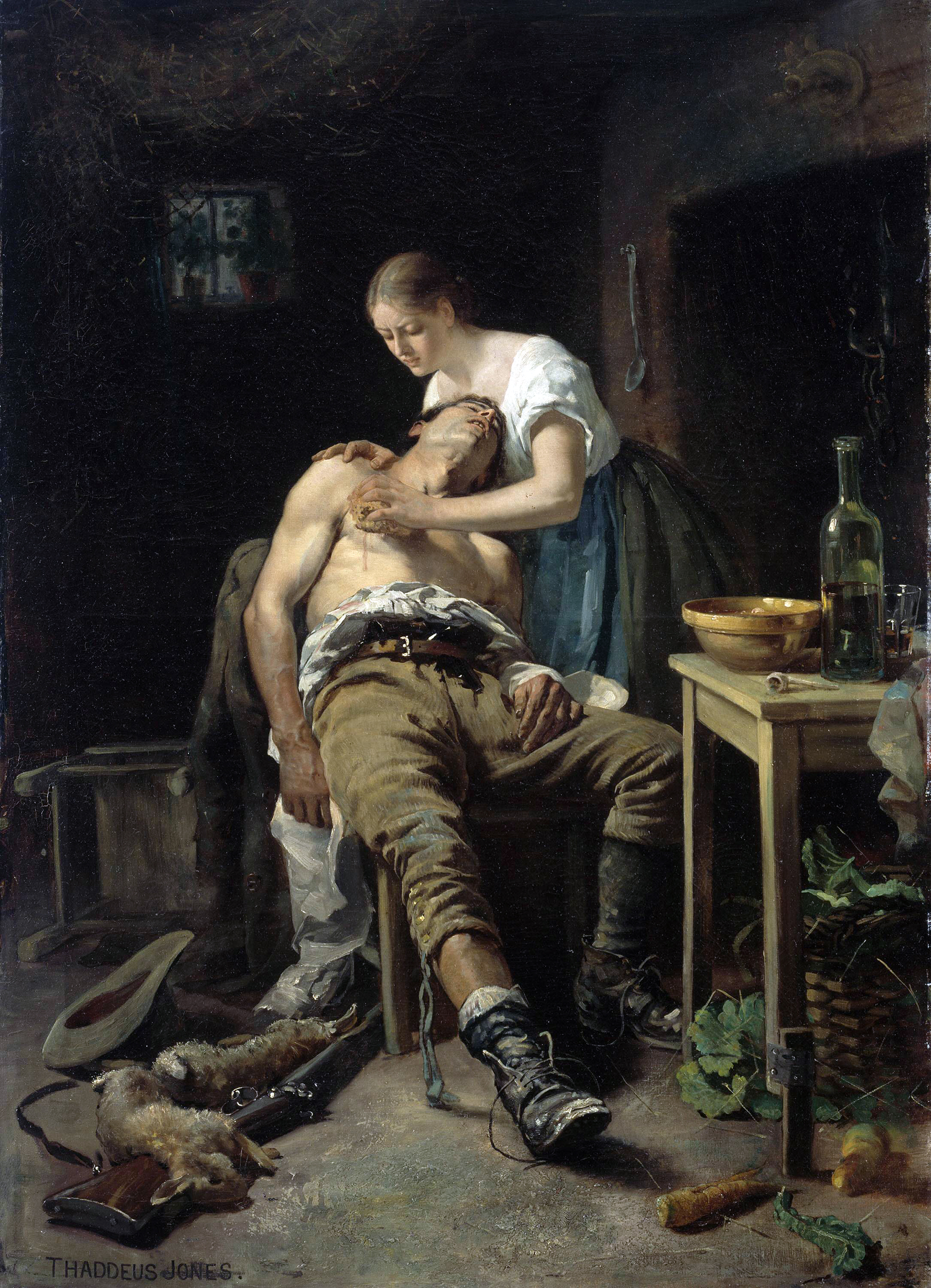 10 December 1769: Part of the northern ballad about Bill Brown, a Brightside (Sheffield) steelworker and hare-poacher killed by gamekeepers today near Rotherham
 8 February 1745: Pioneering but pennyless philologist Eugene Aram murders a wealthy Knaresborough wastrel
 27 July 1612: Jennet Preston, the only Yorkshirewoman among the Pendle witches, is found guilty at York of the murder of Thomas Lister of Westby Hall, Gisburn (Ribble Valley)
Comment
Comment
The poem is claimed for Cleveland in his collected verse (Cleveland 1699). The exact intention of “trussum cordum” escapes me this morning. Lilly is William Lilly, the astrologer and almanacker. To limb/limn is to draw or paint. Does “I smell your plot strong through your hose” suggest that, as is common, Hoyle fouled himself in the act?
Via Francis Drake, who comments:
I cannot omit giving an account of an odd accident which happened this year to an alderman of York, and one of our burgesses in that infamous long parliament, who upon the same day of the month of January, and as near as possible at the same hour of the day, on which the royal martyr suffered the year before, took occasion to do that justic on himself which the times denied him, by hanging himself at his house in Westminster. This man, though not considerable enough to be one of the king’s judges, or even named a commissioner, was one that went in with them in all their villainies; and whether remorse or madness, as some would please to have it, caused him to act the deed it left to the reader’s conjecture (Drake 1736).
Something to say? Get in touch
Search
Subscribe/buy
Donate
Music & books
Place-People-Play: Childcare (and the Kazookestra) on the Headingley/Weetwood borders next to Meanwood Park.
Music from and about Yorkshire by Leeds's Singing Organ-Grinder.
 RSS feed
 Bluesky
 Extwitter