13 February 1796: Marshall and the Benyons’ linen factory at Leeds burns down with the loss of eight lives
John Mayhall. 1860. The Annals and History of Leeds, and Other Places in the County of York. Leeds: Joseph Johnson. Get it:
.Unedited excerpt
If an excerpt is used in the book, it will be shorter, edited and, where applicable, translated.
The extensive linen manufactory of Messrs Marshall and Benyons at Leeds was destroyed by fire Feb 13th, when eight persons were killed and twenty wounded, by the falling of a wall; the property destroyed was estimated at 8000.


Comment
Comment
It was immediately rebuilt (Billam 1806).
One of the alleged crimes of Mary Bateman, “the Yorkshire witch,” is said to stem from this disaster:
In the year 1796, a tremendous fire broke out in a large manufactory in [Leeds], and by the falling of one of the walls, many unfortunate people lost their lives. This calamity which harrowed up the feelings of every individual in the town and neighbourhood, of common sensibility, Mary Bateman improved to the purposes of her wicked frauds. She went to Miss. Maude, a lady known for her charitable and humane disposition, and telling her that the child of a poor woman had fallen a victim amongst the rest, and that she had not linen to lay the child out on, begged she would for pity’s sake, lend her a pair of sheets–this request was complied with; but the sheets, instead of being applied to such benevolent purpose, were pledged at a pawnbroker’s shop. Three similar instances occurred at the same time, and all the sheets were disposed of in the same way by this abandoned woman. Nor did her frauds from this calamity end here. She went round the town, representing herself as a nurse at the General Infirmary, and collecting all the old linen she could beg to dress the wounds, as she said, of the patients who had been brought into the Infirmary, but in reality to dispose of them for her own emolument!
Impositions and frauds committed against benevolence, are peculiarly atrocious; and it were much to be wished that the benevolent, who are most disposed to pardon an impostor, would bring the delinquent to justice. Had severer measures been taken with the subject of this history, it might have saved the lives of several deserving people (Anon 1811).
Something to say? Get in touch
Tags
Tags are assigned inclusively on the basis of an entry’s original text and any comment. You may find this confusing if you only read an entry excerpt.
- Bateman, Mary (1768-1809) (3), "the Yorkshire Witch," career criminal from the North Riding, hung for murder W/G ·
- Fire (14) W/G ·
- Flax (3) W/G ·
- Fraud (22) W/G ·
- 📌Leeds (249) W/G ·
- Linen (3) W/G ·
- Marshall’s Mill (1) W/G ·
- Marshall, John (1765-1845) (2), Leeds-born businessman and politician W/G ·
- Spinning (textiles) (5) W/G ·
- Work accident (22) W/G ·
Comment
Comment
It was immediately rebuilt (Billam 1806).
One of the alleged crimes of Mary Bateman, “the Yorkshire witch,” is said to stem from this disaster:
In the year 1796, a tremendous fire broke out in a large manufactory in [Leeds], and by the falling of one of the walls, many unfortunate people lost their lives. This calamity which harrowed up the feelings of every individual in the town and neighbourhood, of common sensibility, Mary Bateman improved to the purposes of her wicked frauds. She went to Miss. Maude, a lady known for her charitable and humane disposition, and telling her that the child of a poor woman had fallen a victim amongst the rest, and that she had not linen to lay the child out on, begged she would for pity’s sake, lend her a pair of sheets–this request was complied with; but the sheets, instead of being applied to such benevolent purpose, were pledged at a pawnbroker’s shop. Three similar instances occurred at the same time, and all the sheets were disposed of in the same way by this abandoned woman. Nor did her frauds from this calamity end here. She went round the town, representing herself as a nurse at the General Infirmary, and collecting all the old linen she could beg to dress the wounds, as she said, of the patients who had been brought into the Infirmary, but in reality to dispose of them for her own emolument!
Impositions and frauds committed against benevolence, are peculiarly atrocious; and it were much to be wished that the benevolent, who are most disposed to pardon an impostor, would bring the delinquent to justice. Had severer measures been taken with the subject of this history, it might have saved the lives of several deserving people (Anon 1811).
Something to say? Get in touch
Similar
 1 January 1891: Eleven snowflake girls are burnt to death during a school entertainment at Upper Wortley (Leeds)
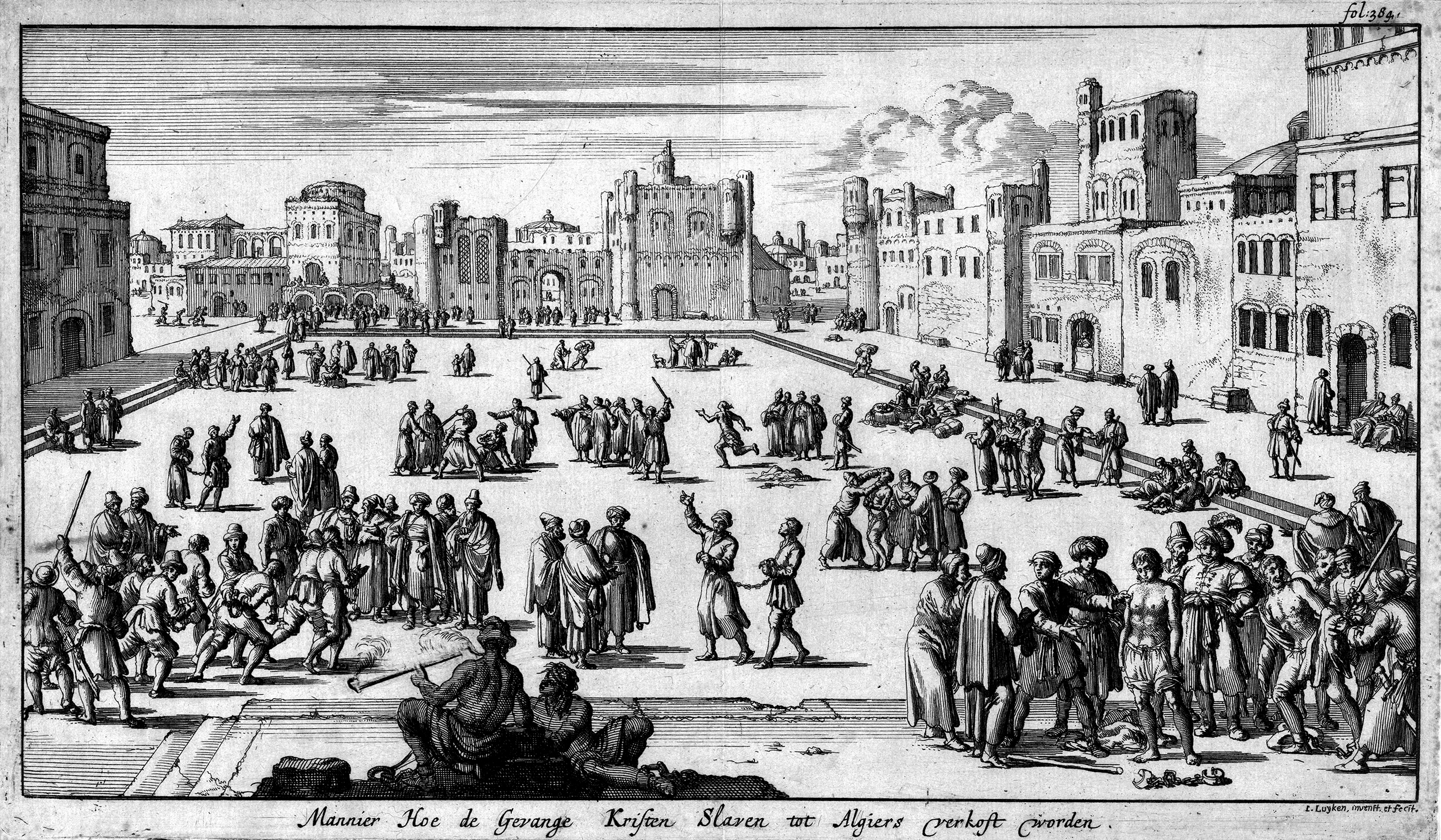 20 June 1681: A Leeds court hears of the enslavement by North African pirates of the son of Alderman Foxcroft
Comment
Comment
Something to say? Get in touch
Search
Subscribe/buy
Donate
Music & books
Place-People-Play: Childcare (and the Kazookestra) on the Headingley/Weetwood borders next to Meanwood Park.
Music from and about Yorkshire by Leeds's Singing Organ-Grinder.
 RSS feed
 Bluesky
 Extwitter