9 March 1834: A marriage is blocked at York despite compelling reason for it to proceed
York Courant. 1834/03/11. Marriage Forbidden. York. Get it:
.Unedited excerpt
If an excerpt is used in the book, it will be shorter, edited and, where applicable, translated.
On Sunday morning last, a somewhat singular occurrence took place in St. Cuthbert’s Church in this city. The clergyman had published, for the third time, the banns of marriage, between a young couple, and the bridegroom expectant had earnestly urged the worthy minister of the necessity of making them “twain one flesh” on the instant. But no sooner had the banns been proclaimed, than a harsh unwelcome voice exclaimed “I forbid that.” “Thou’s now’t to dea we’et,” responded the vexed bridegroom. However, on further enquiry, it appeared that the blushing bride was under age and that her mother, who lives at Selby, and who could not make it convenient to attend in person, had retained the forbidding personage for that special service. The clergyman, therefore, would not proceed to the marriage, and though the bridegroom urged, as an additional reason, that his bride elect, partaking of that forwardness which is so remarkable this budding season, was likely to become a mother before the next day, they were obliged to depart in a state of single blessedness.

Comment
Comment
Via John Bibby (Bibby 2022).
Something to say? Get in touch
Tags
Tags are assigned inclusively on the basis of an entry’s original text and any comment. You may find this confusing if you only read an entry excerpt.
- Banns of marriage (1) W/G ·
- Church of England (94) W/G ·
- Legitimacy (family law) (8) W/G ·
- Marriage (13) W/G ·
- Pregnancy (9) W/G ·
- Selby (8) W/G ·
- Shotgun wedding (2) W/G ·
- St Cuthbert’s Church, York (1) W/G ·
- 📌York (165) W/G ·
Comment
Comment
Via John Bibby (Bibby 2022).
Something to say? Get in touch
Similar
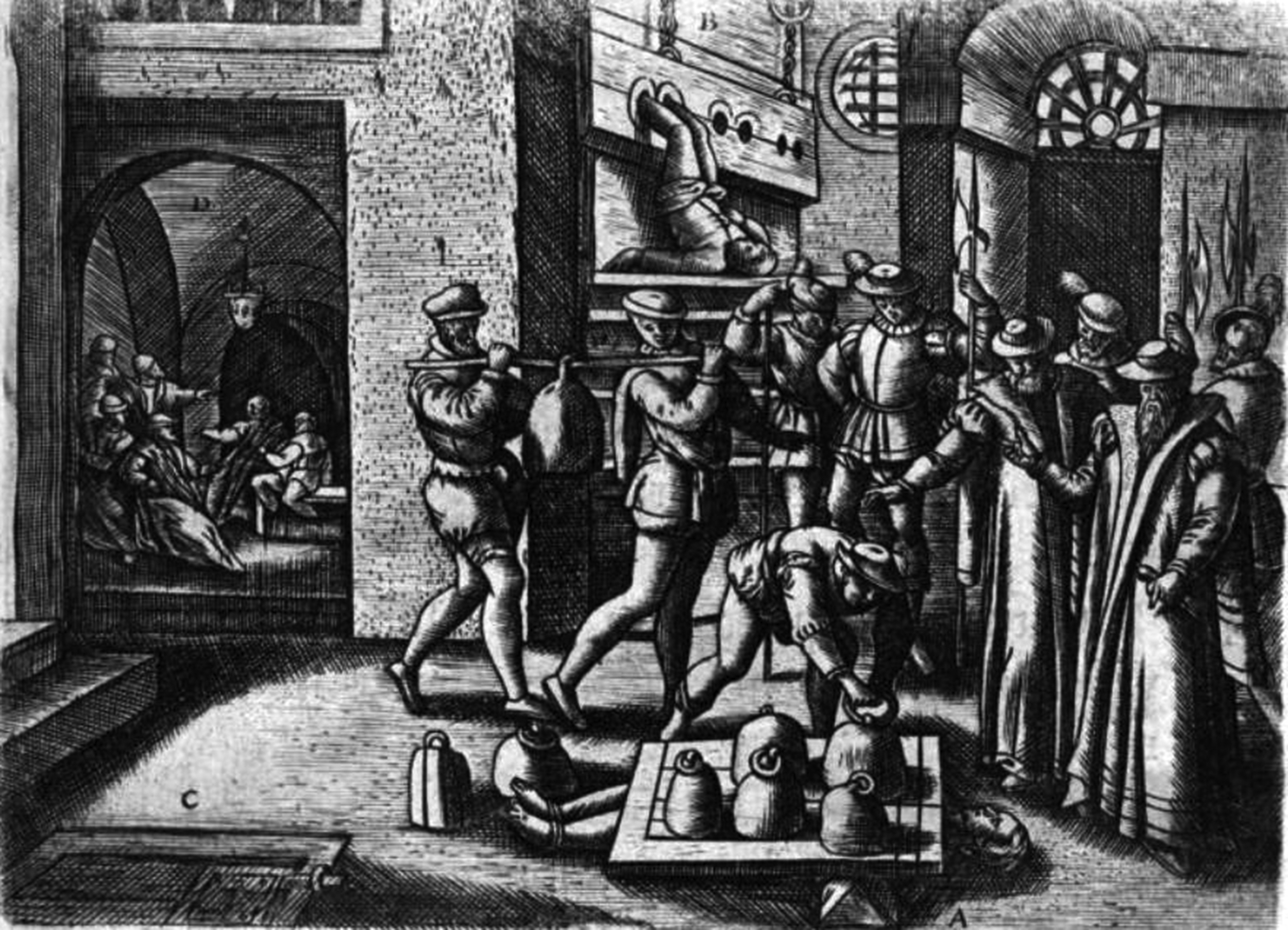 15 March 1586: Offered a jury acquittal, Margaret Clitherow of York, concealer of priests, chooses martyrdom and is crushed under her own front door
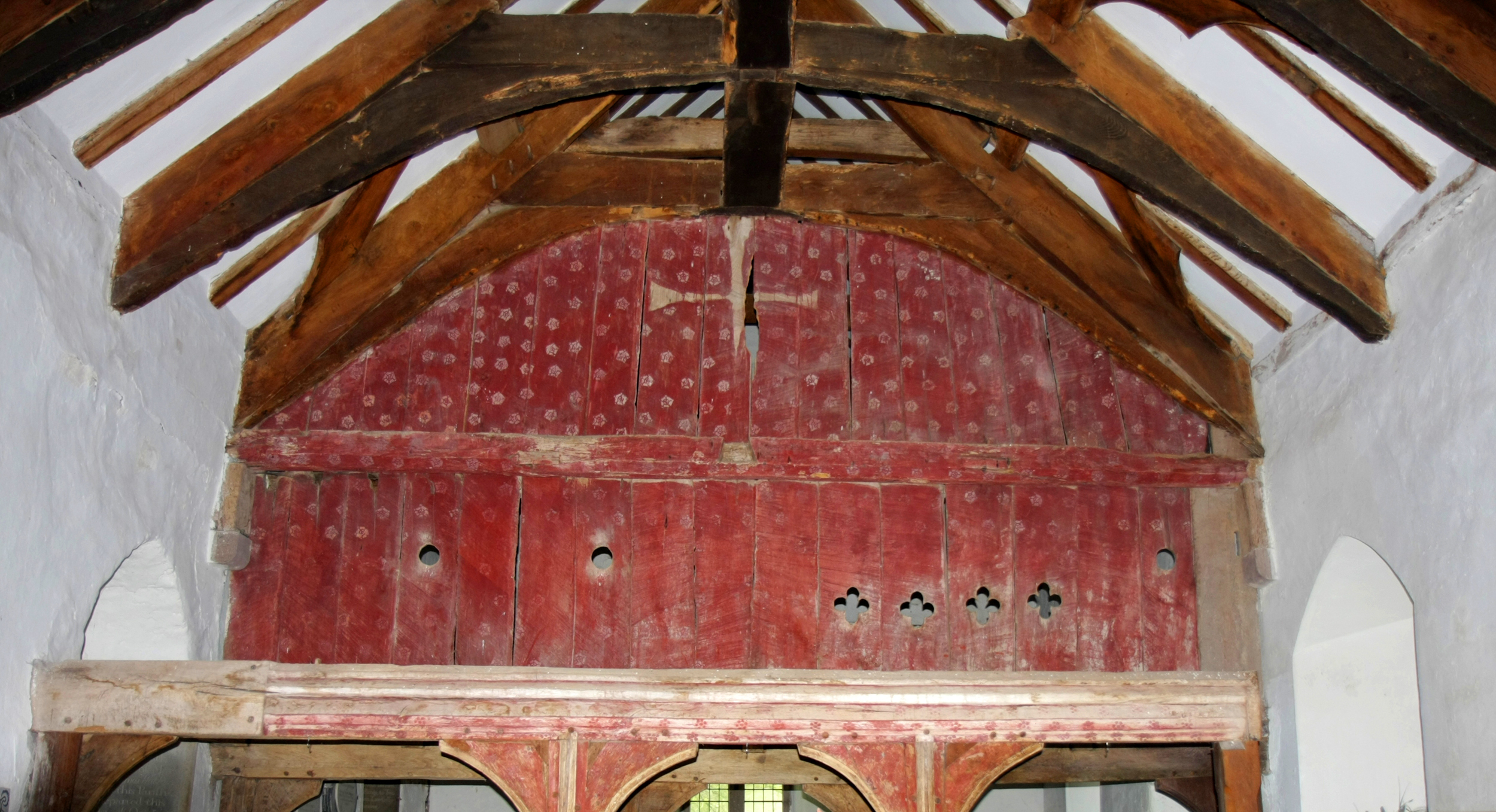 26 December 1570: Edmund Grindal, Puritan archbishop of York, orders the removal of rood-lofts (and their superstitious images), and the erection of pulpits
Comment
Comment
This is a Jesuit hagiography, and I don’t know to what extent the source reflects the substance of Dolben’s remarks. Wikipedia takes a more benevolent view of him:
In the aftermath of the Popish Plot, Dolben tried many of the accused, including Sir Thomas Gascoigne, 2nd Baronet and Sir Miles Stapleton; due to his impartial trait of pointing out inconsistencies in the prosecution’s evidence, both were acquitted.[4] At the trial of Mary Pressicks, who was accused of saying that “We shall never be at peace until we are all of the Roman Catholic religion”, Dolben saved her life by ruling that the words, even if she did speak them, could not amount to treason.[5] As a result of this and his opposition to Charles II’s removal of the City Corporation’s writs, he was “according to the vicious practise of the time” dismissed on 18 April 1683. Again working as a barrister, Dolben prosecuted Algernon Sidney in November 1683 before being reinstated as a Justice of the King’s Bench on 18 March 1689. Records from 29 April show him “inveighing mightily against the corruption of juries [during the Glorious Revolution]”,[1] and he continued sitting as a Justice until his death from an apoplectic fit on 25 January 1694,[6] and was buried in Temple Church.
Vulgar almanacs glory in death sentences and executions, but I suppose one (1) is called for.
Something to say? Get in touch
Search
Subscribe/buy
Donate
Music & books
Place-People-Play: Childcare (and the Kazookestra) on the Headingley/Weetwood borders next to Meanwood Park.
Music from and about Yorkshire by Leeds's Singing Organ-Grinder.
 RSS feed
 Bluesky
 Extwitter