24 June 1866: Captain Gravill of the Diana of Hull celebrates his crew’s failure to catch a whale on the Sabbath
Charles Edward Smith. 1922. From the Deep of the Sea. Ed. Charles Edward Smith Harris. London: A. and C. Black. Get it:
.Unedited excerpt
If an excerpt is used in the book, it will be shorter, edited and, where applicable, translated.
Was called this morning by the captain to see a whale which had risen near the ship at about seven o’clock. The officers on watch had lowered two boats in pursuit, contrary to the known wishes of the captain, who always has been a strict observer of the Sabbath, and never allowed the business of the voyage to be carried on upon a Sunday if he could help or prevent it.
Unfortunately, he is alone in his views and opinions upon this point. Everyone else on board considers that a whale rising near the ship is to be killed if possible, piously arguing that it is directed to them by a kind and considerate Providence for their benefit, and should be accepted more as a mark of Divine favour than anything else.
When we reflect upon the dangers and uncertainties of the voyage; the risks run in the pursuit of fish; that the crew’s pay almost entirely depends upon the success of the voyage; that most of the men are married and have families to support; that the capture even of a single fish puts a considerable sum into their pockets in the shape of oil, bone, and “striking money”; that fish are few in number and often difficult to approach; that there are other ships owned, commanded, and manned by men to whom no trick, no artifice, is too mean to resort to in order to deprive us and each other of a fish at every opportunity, one cannot wonder at our crew objecting to lose the chance of getting a fish because it happens to make its appearance near us upon a Sunday.
I do not blame them myself. Nay, rather I am disposed to entertain their views upon the Sunday fishing question. However, their efforts were unavailing to-day, much to their own chagrin and the satisfaction of the captain.


Comment
Comment
Something to say? Get in touch
Tags
Tags are assigned inclusively on the basis of an entry’s original text and any comment. You may find this confusing if you only read an entry excerpt.
- Arctic Ocean (9) W/G ·
- Biblical Sabbath (1) W/G ·
- Christianity (9) W/G ·
- Diana (1840 ship) (8) W/G ·
- 📌Kingston upon Hull (74) W/G ·
- Nonconformism (47) W/G ·
- Remember the sabbath day, to keep it holy (1) W/G ·
- Sabbath (2) W/G ·
- Ten Commandments (1) W/G ·
- Whaling in the United Kingdom (11) W/G ·
- Whaling (10) W/G ·
Comment
Comment
Something to say? Get in touch
Similar
 19 February 1866: The Diana, Hull’s first steam-assisted whaler and its last of any nature, leaves on its fateful voyage to the Arctic
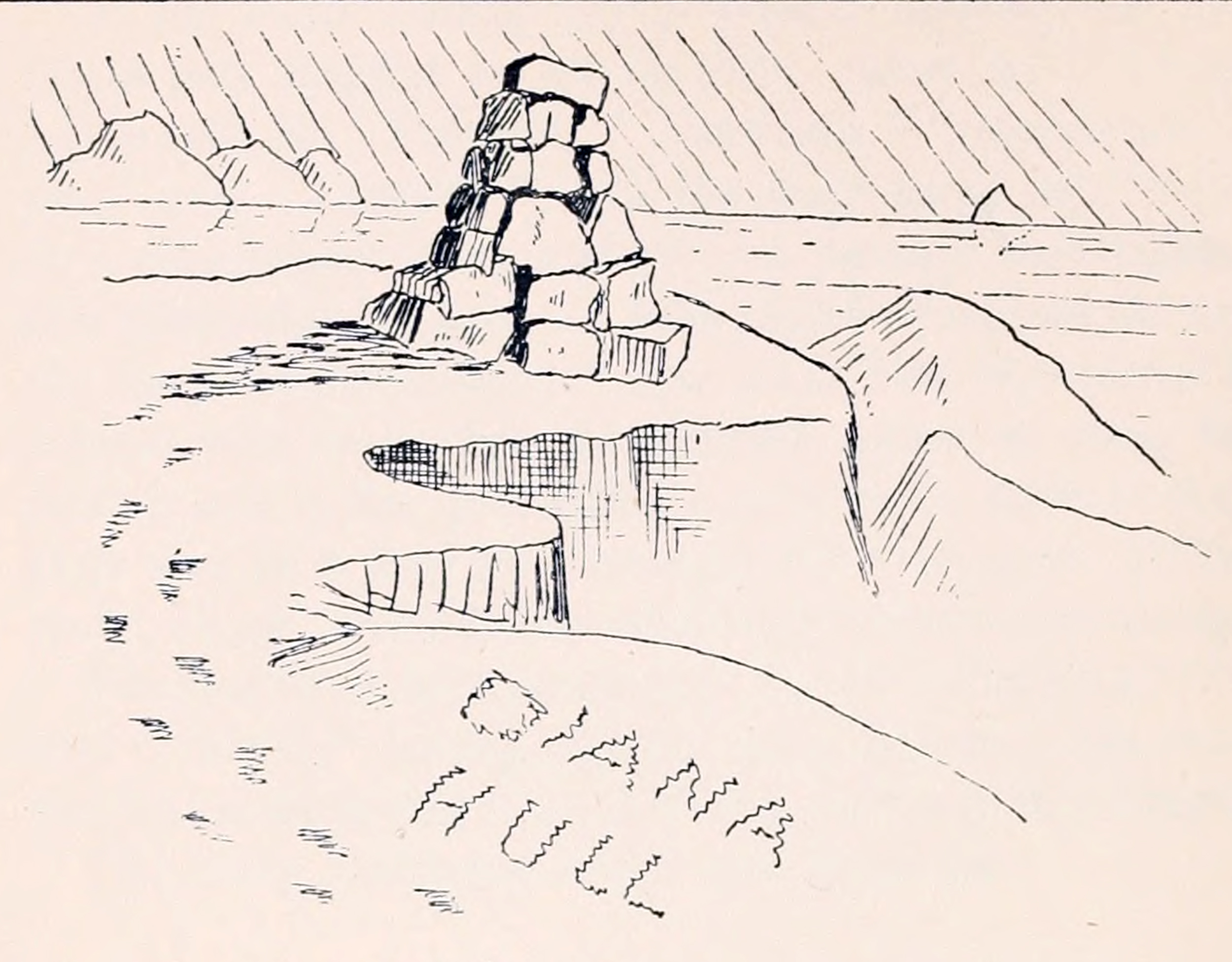 5 June 1866: Crew members of the whaler Diana (Hull) climb an Arctic hillside and leave a memento of home
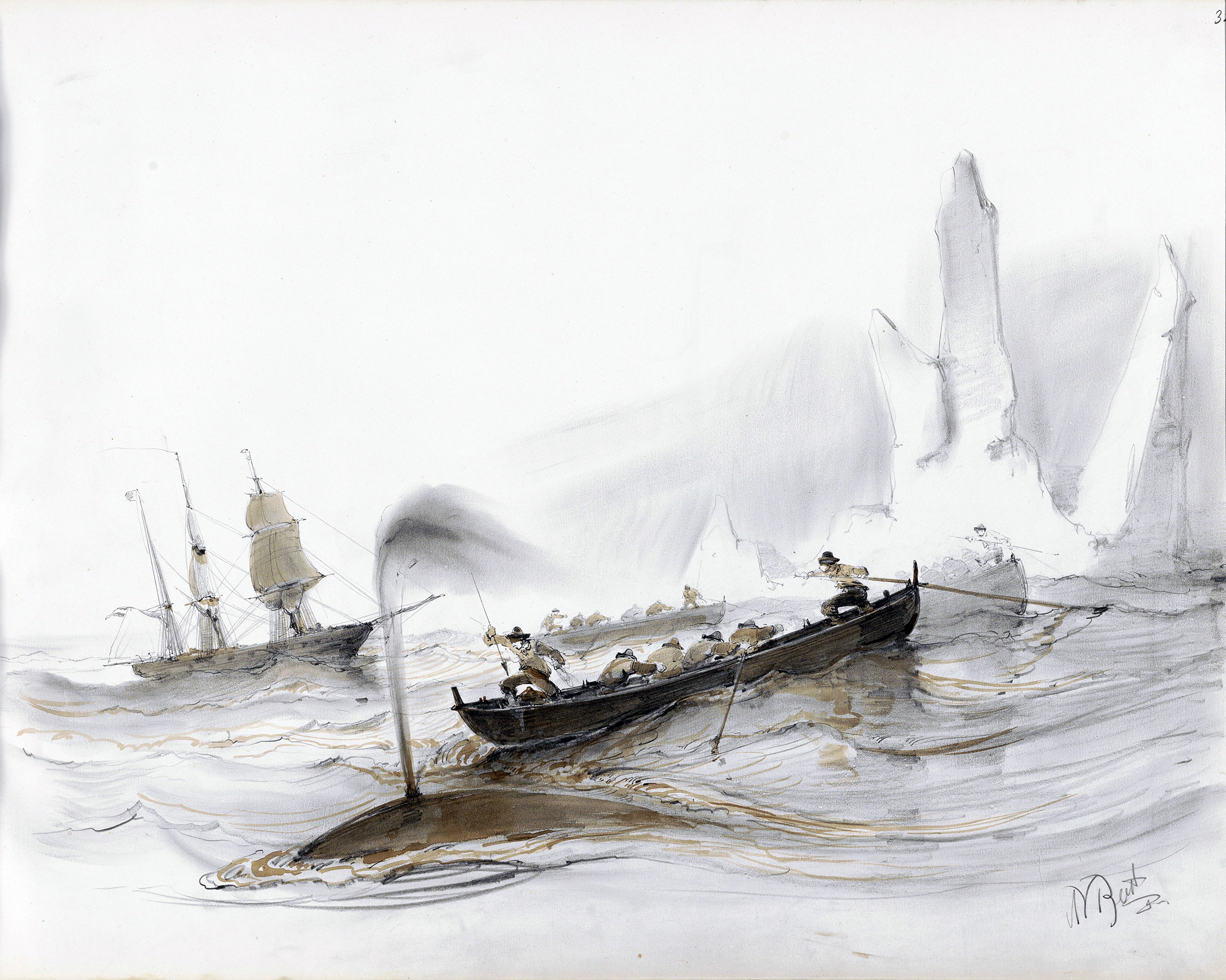 30 June 1866: The crew of the Diana of Hull kill and process two right whales – a small fortune – in Melville Bay, off northwestern Greenland
 10 January 1867: Short of fresh provisions amid Arctic ice, the surgeon of the Diana of Hull decides to blame (Yorkshire) tea for symptoms of scurvy among the crew
Comment
Comment
The above pamphlet is a response to Methodist schadenfreude like “The providence of God asserted”:
Some persons are of opinion that these men are really gone to “another and a better world.” I shall not pretend to say anything pro or con upon so delicate a subject; but may I not inquire, who would choose to die in a play-house? It is true that death may meet us in every situation, but a theatre is probably the last place where a thoughtful person would choose to meet his end (Basden 1818).
Cummins was known for his delivery:
This favourite of York Theatre was remarkable for a voice of extraordinary strength. The power he possessed seduced him into the habit of ranting, which the public, being pleased with, confirmed him in. Thus, when John Kemble visited York, he was told by the gallery he “cud na shoot oot laik Coomens.” (Pry 1835)
Leeds Libraries hold a (copyrighted!) image of the playbill.
Something to say? Get in touch
Search
Subscribe/buy
Donate
Music & books
Place-People-Play: Childcare (and the Kazookestra) on the Headingley/Weetwood borders next to Meanwood Park.
Music from and about Yorkshire by Leeds's Singing Organ-Grinder.
 RSS feed
 Bluesky
 Extwitter