30 July 1882: On his way to play with the Muker church band, Richard Guy of Hill Top Farm climbs over a wall to inspect a fertile heifer
Maggie Joe Chapman. 1984. A Swaledale Woman. Country Voices. Ed. Charles Kightly. London: Thames and Hudson. I would very much like to speak to Dr Kightly re permission to use this anecdote. Get it:
.Unedited excerpt
If an excerpt is used in the book, it will be shorter, edited and, where applicable, translated.
We used to walk from our farm, Hill Top; it was right on the top and it was the first house you came to after you left Askrigg on the road to Muker. My grandfather – my father’s father – had been tenant there before my father. His name was Guy, and in them days Muker was full of Guys, same as Askrigg was full of Chapmans. Now my grandfather Guy was killed with a bull, one he’d brought up himself. It was a Sunday morning and me grandfather used to play the bass fiddle in Muker church. There was an orchestra in the church, them days; me grandfather played the bass and there was a fiddle, and I wouldn’t know whether they had drums or not, but they had four or five in the orchestra. Well, me grandfather had put his best Sunday clothes on to go, and he passed this pasture where the bull was and there was some heifers there, and he heard one of them in service and he wanted to see which one it was. That is why he climbed over the wall they think. And they always think that the bull didn’t know him in his Sunday clothes and that is why it gored him. My father said he hadn’t a rag left on him when they found him; it had gored him to death. He was a really good man, my grandfather, one of the best living men there was; everybody said he wouldn’t play a dirty trick on anybody. But the bull didn’t know him in his Sunday best.


Comment
Comment
Dates. Malise McGuire has discovered a mention in the press (the Northern Echo? I can’t find it) of this tragedy. It is dated 4 August 1882, so Sunday was 30 July: “On Sunday at Hill Top Farm, near Gunnerside, Richard GUY went out to look at some young cattle and was soon afterwards found in a field dead. His clothes were literally torn to shreds.” I haven’t looked on Ancestry, but this is the Richard Guy born in 1833 at Scar House, Muker, and present in the 1881 census:
70. Hill Top Farm
GUY/Richard S/Head/M/47/Farmer 158 Acres/Yks Muker
GUY/Rosomond/wife/M/47/Farmers wife/Yks Muker
GUY/Thomas/son/U/20/Farmers son/Yks Muker
GUY/Robert J/son/U/17/Farmers son/Yks Muker
GUY/Richard/son//13/scholar/Yks Muker
GUY/Elizebeth/dau//8/scholar/Yks Muker
The anecdote also turns up in abbreviated form, perhaps abstracted from the above, in an outstanding book by Marie Hartley and Joan Ingilby (Hartley 1982).
Something to say? Get in touch
Tags
Tags are assigned inclusively on the basis of an entry’s original text and any comment. You may find this confusing if you only read an entry excerpt.
- Askrigg (3) W/G ·
- Bull (1) W/G ·
- Cattle (26) W/G ·
- Church music (8) W/G ·
- Church of England (94) W/G ·
- Gunnerside (2) W/G ·
- Muker (2) W/G ·
- Sex (12) W/G ·
- Swaledale (5) W/G ·
- Yorkshire Dales (9) W/G ·
Comment
Comment
Dates. Malise McGuire has discovered a mention in the press (the Northern Echo? I can’t find it) of this tragedy. It is dated 4 August 1882, so Sunday was 30 July: “On Sunday at Hill Top Farm, near Gunnerside, Richard GUY went out to look at some young cattle and was soon afterwards found in a field dead. His clothes were literally torn to shreds.” I haven’t looked on Ancestry, but this is the Richard Guy born in 1833 at Scar House, Muker, and present in the 1881 census:
70. Hill Top Farm
GUY/Richard S/Head/M/47/Farmer 158 Acres/Yks Muker
GUY/Rosomond/wife/M/47/Farmers wife/Yks Muker
GUY/Thomas/son/U/20/Farmers son/Yks Muker
GUY/Robert J/son/U/17/Farmers son/Yks Muker
GUY/Richard/son//13/scholar/Yks Muker
GUY/Elizebeth/dau//8/scholar/Yks Muker
The anecdote also turns up in abbreviated form, perhaps abstracted from the above, in an outstanding book by Marie Hartley and Joan Ingilby (Hartley 1982).
Something to say? Get in touch
Similar
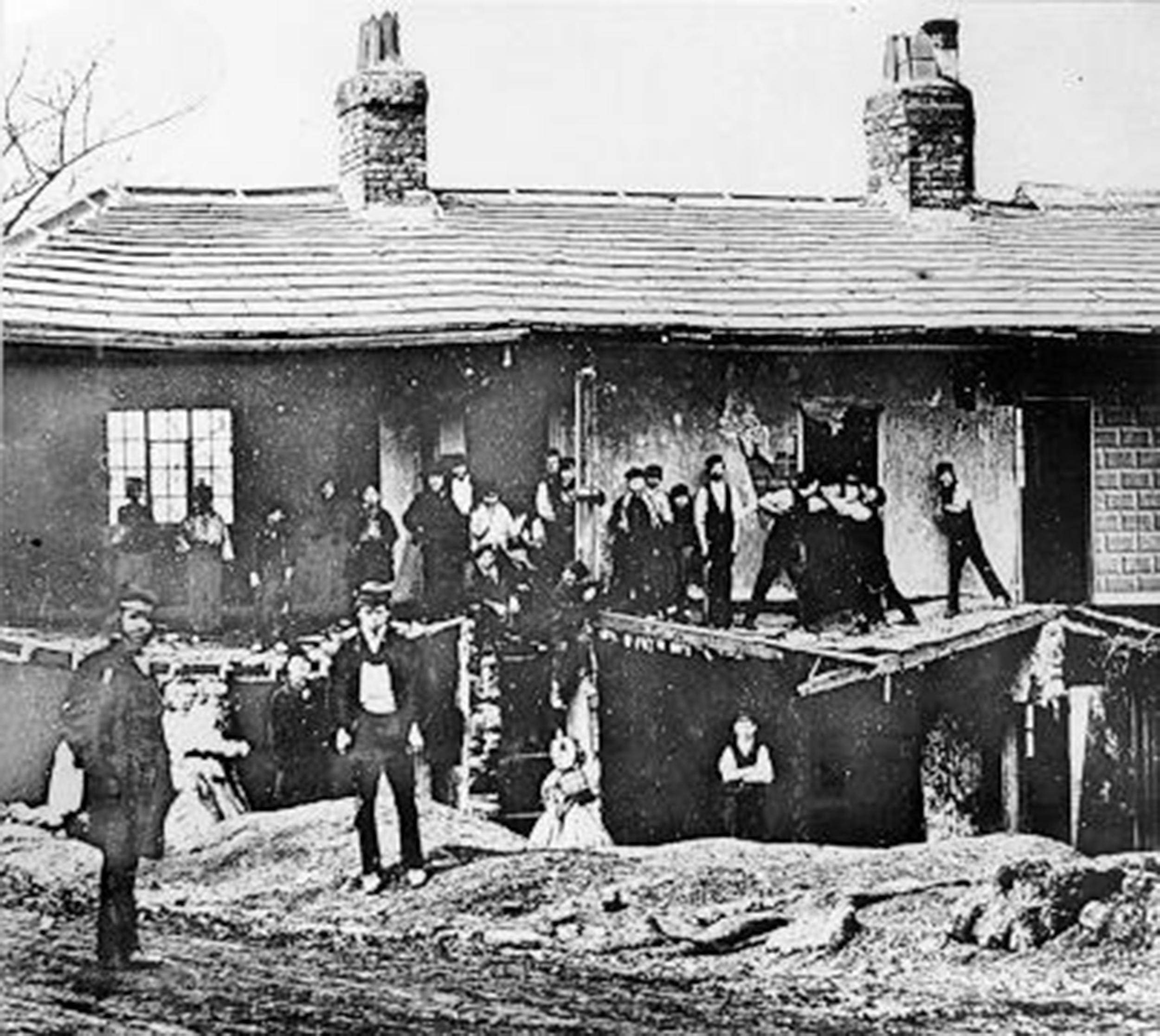
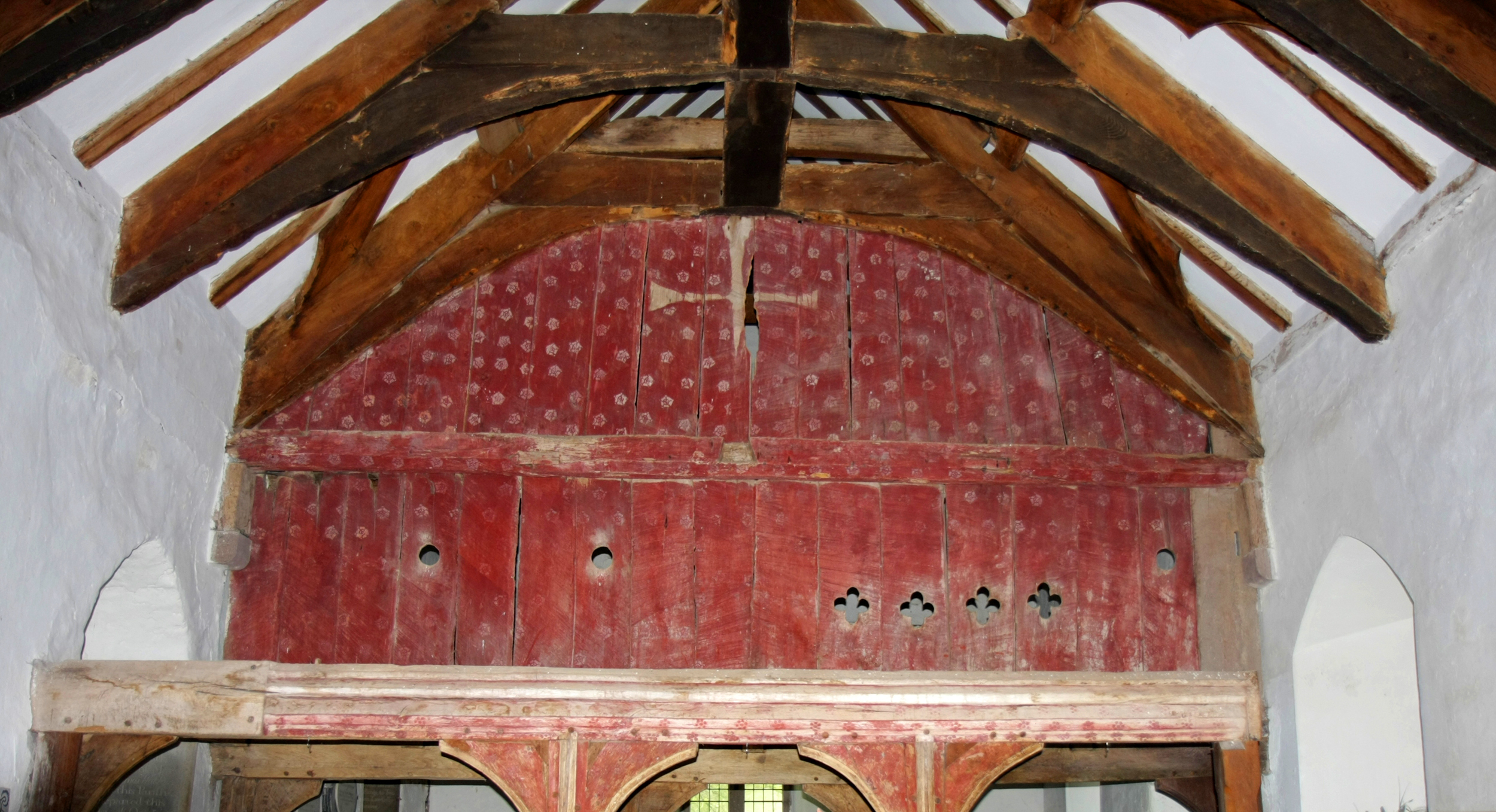
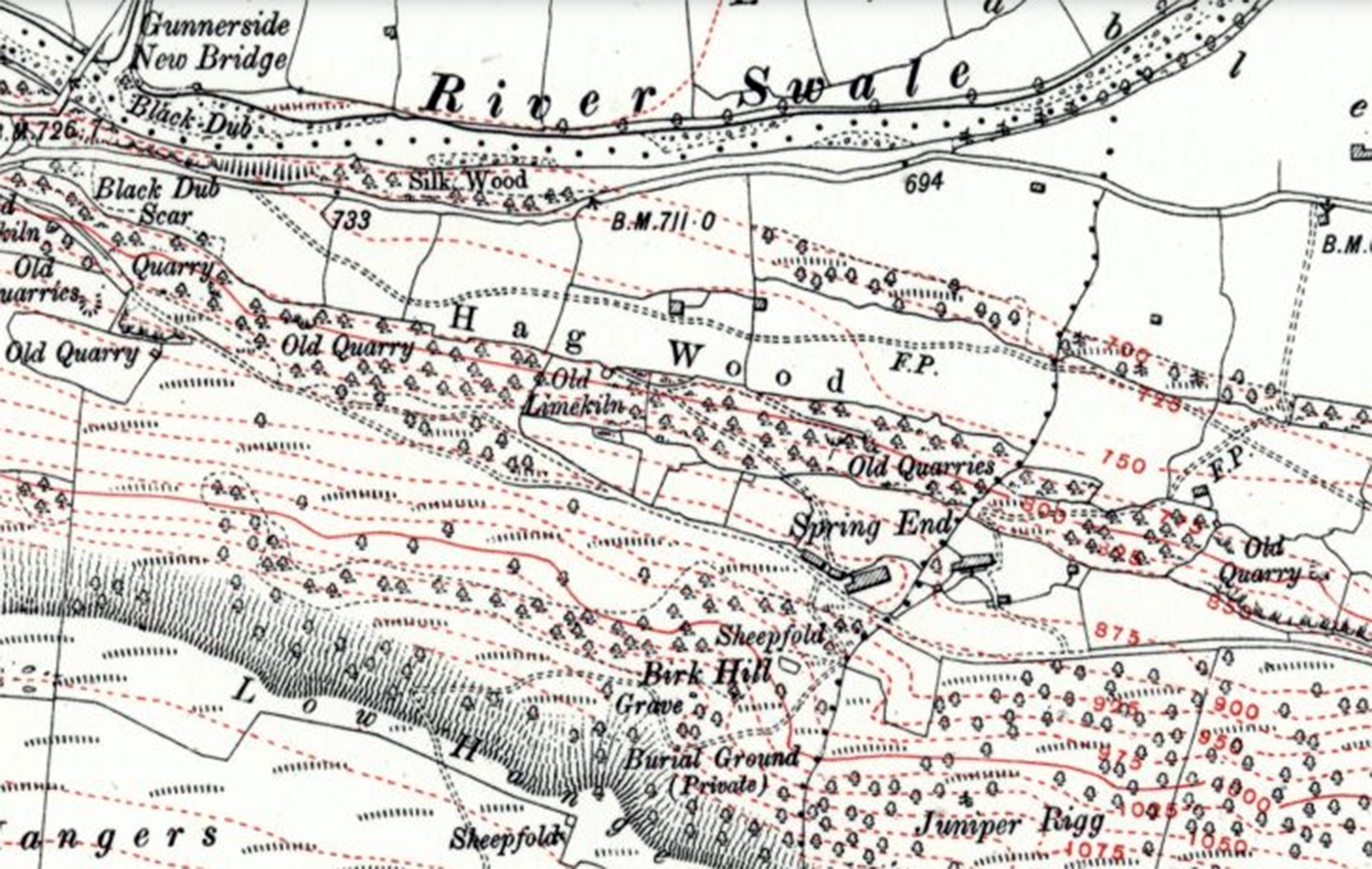 28 December 1886: James Lonsdale Broderick (45) makes his final journey, from Hawes over Buttertubs Pass to a grave above the family farm near Crackpot (Swaledale)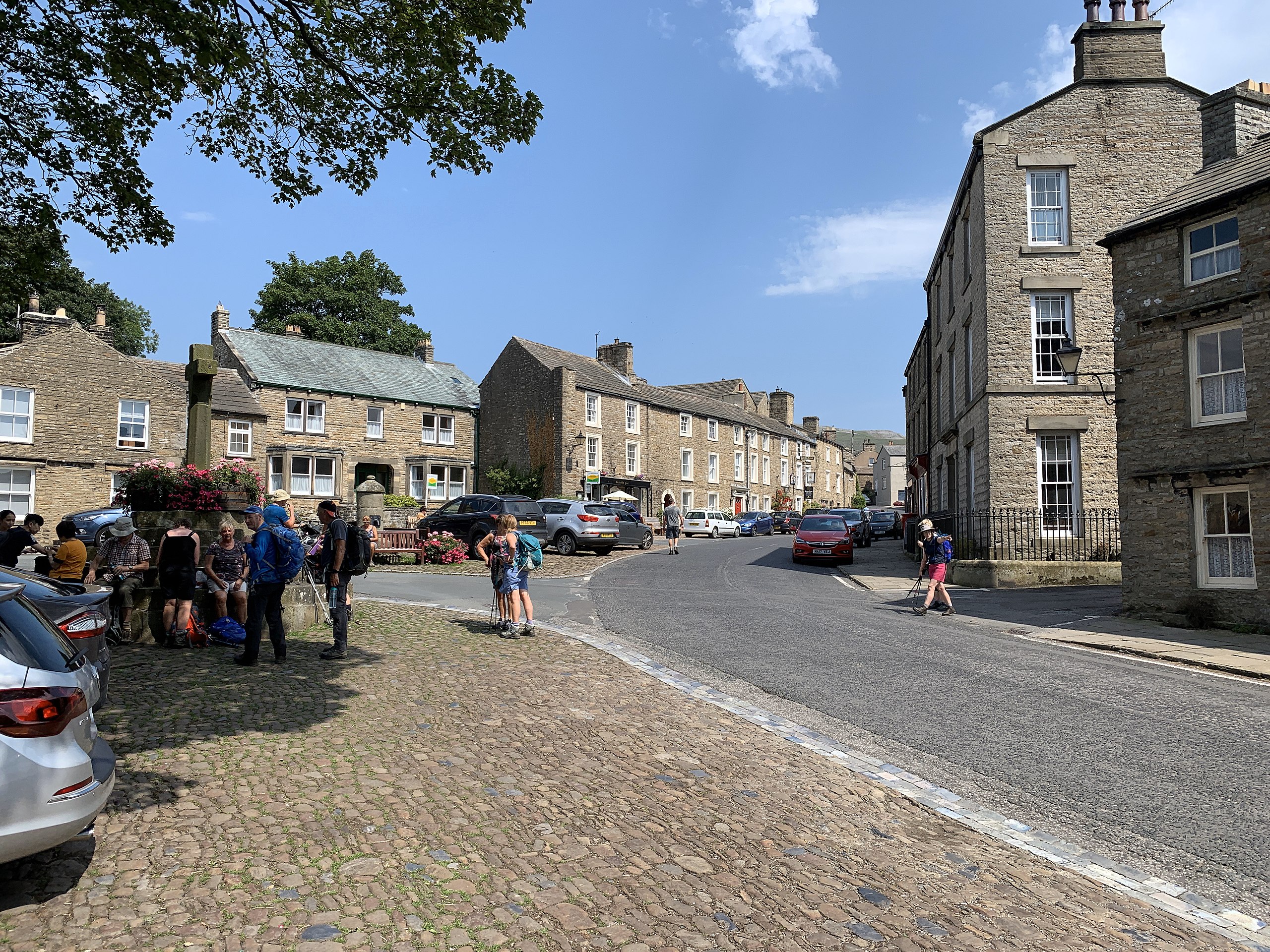
Comment
Comment
Andrew Junior left to look after himself.
The manner of his father’s death, and the fact that the poet himself was born in reclaimed Holderness, should give pause to those who take offence at his lines on Holland:
How did they rivet with gigantic piles,
Thorough the centre their new-catched miles,
And to the stake a struggling country bound,
Where barking waves still bait the forced ground,
Building their watery Babel far more high,
To reach the sea, than those to scale the sky!
Yet still his claim the injured ocean laid,
And oft at leap-frog o’er their steeples played,
As if on purpose it on land had come
To show them what’s their mare liberum.
A daily deluge over them does boil;
The earth and water play at level coil.
The fish ofttimes the burgher dispossessed,
And sat, not as a meat, but as a guest (Marvell 1665).
I must find out more about Mrs. Skinner of Thornton, North Lincolnshire, who adopted him.
Marvell was not the only person with reason to dislike the crossing:
There are some good towns on the sea-coast; but I include not Barton, which stands on the Humber, as one of them, being a straggling mean town, noted for nothing but an ill-favoured dangerous passage, or ferry, over the Humber to Hull; where, in an open boat, in which we had about 15 horses, and 10 or 12 cows, mingled with about 17 or 18 passengers, we were about 4 hours tossed about on the Humber, before we could get into the harbour at Hull. Well may the Humber take its name from the noise it makes; for in an high wind it is incredibly great and terrible, like the crash and dashing together of ships (Defoe 1748).
In “To a Coy Mistress” Marvell laments his lover’s absence in the lines “I by the tide/ Of Humber would complain” (Marvell 1898), which inspired Angela Leighton to a rather excellent poem, “By the Tide of Humber” (Leighton 2023) which I hope I’ll be allowed to use.
I haven’t managed to access Nicholas von Maltzahn’s “Death by Drowning: Marvell’s ‘Lycidas’.”
Something to say? Get in touch
Search
Subscribe/buy
Donate
Music & books
Place-People-Play: Childcare (and the Kazookestra) on the Headingley/Weetwood borders next to Meanwood Park.
Music from and about Yorkshire by Leeds's Singing Organ-Grinder.
 RSS feed
 Bluesky
 Extwitter