25 February 1879: 500 await the black flag signalling the hanging at Armley Gaol (Leeds) of Charles Peace – steelworker, violinist, picture-framer, burglar, stalker, murderer
Anon. 1879-80. Charles Peace. London: George Purkess. Get it:
.Unedited excerpt
If an excerpt is used in the book, it will be shorter, edited and, where applicable, translated.
SCENES OUTSIDE THE GAOL.
It was a fearful morning. The air was raw, and a searching wind pierced through one almost to the bone, yet the fields dividing the gaol from the houses near seemed to be covered with people almost immediately.
They ran eagerly to get the best places that could be obtained. Everybody ran and everybody was anxious to get the best places. The peculiar coign of vantage, known only to the experienced, was said to be behind the prison, near the hospital.
This was where the scaffold had been erected, and it was said that outside the walls, at that point, the falling of the trap and the thud caused by the jerk to the rope could be distinctly heard.
It is no exaggeration to say that at least 500 people assembled at this spot, and that until the hoisting of the flag the most careful silence was preserved. Indeed, some of the people who were standing there declared that they heard Peace speaking, but could not make out his words.
A large knot of people, numbering several hundred, appeared at the outer gates, without any warning, and undisturbed took up positions commanding a view of the flag-pole on the high tower.
About ten minutes to eight snow began to fall slightly, but it soon discontinued, and at five minutes to eight the weather was fine again.
What a rude, unsympathetic, ribald crowd that was! Drawn together merely by morbid curiosity, many of them laughed, smiled, and joked at the dread ordeal which the convict was even then undergoing.
They spoke of him as at that moment submitting to the pinions, and wondered with a fiendish glee how he liked the process. Women and girls vied with each other in depicting his agony as a subject for laughter, and the most horribly blasphemous expressions were used with respect to his penitence.
It might have been a crowd of citizenesses during the French revolution. There was an utter callousness, a cold-blooded nonchalance, and a frequency of oaths which made the crowd almost terrible as well as repulsive. There seemed to be not an atom of feeling amongst the lot. Everyone had something to say.
There was a continual hum of conversation, but amongst the Babel of words it was impossible to detect one which breathed kindly feeling, regret, or even seriousness.
But it is now five minutes to eight, and the first sign comes from the inside of the gaol. Upon the high tower a stalwart warder appears. At length the prison clock strikes the hour. The signal is given, and in another moment the black signal of death flutters in the clear fresh breeze.
A kind of shudder is observable among the people as the flag ascends, but the feeling soon passes away, and from a large number of the assembled crowd rises a fiendish and inhuman shout. The “cry for blood” was satisfied.
A stampede commenced immediately, and the hundreds of people streamed back into Leeds. A few still lingered about the place, gazing fitfully at the black signal, and talking together in knots of the strange and adventurous career which had just closed so ignominiously.

Comment
Comment
Something to say? Get in touch
Tags
Tags are assigned inclusively on the basis of an entry’s original text and any comment. You may find this confusing if you only read an entry excerpt.
- Armley (8) W/G ·
- Burglary (4) W/G ·
- Capital punishment (7) W/G ·
- Crowd (1) W/G ·
- French Revolution (7) W/G ·
- HM Prison Leeds (5) W/G ·
- Hanging (25) W/G ·
- 📌Leeds (249) W/G ·
- Murder (38) W/G ·
- Peace, Charles (1832-1879) (1), Sheffield-born burglar and murderer W/G ·
- Profanity (6) W/G ·
- 📌Sheffield (80) W/G ·
- Stalking (1) W/G ·
- Steel (12) W/G ·
- Violin (4) W/G ·
- West Riding of Yorkshire (150) W/G ·
- William Marwood (1) W/G ·
Comment
Comment
Something to say? Get in touch
Similar
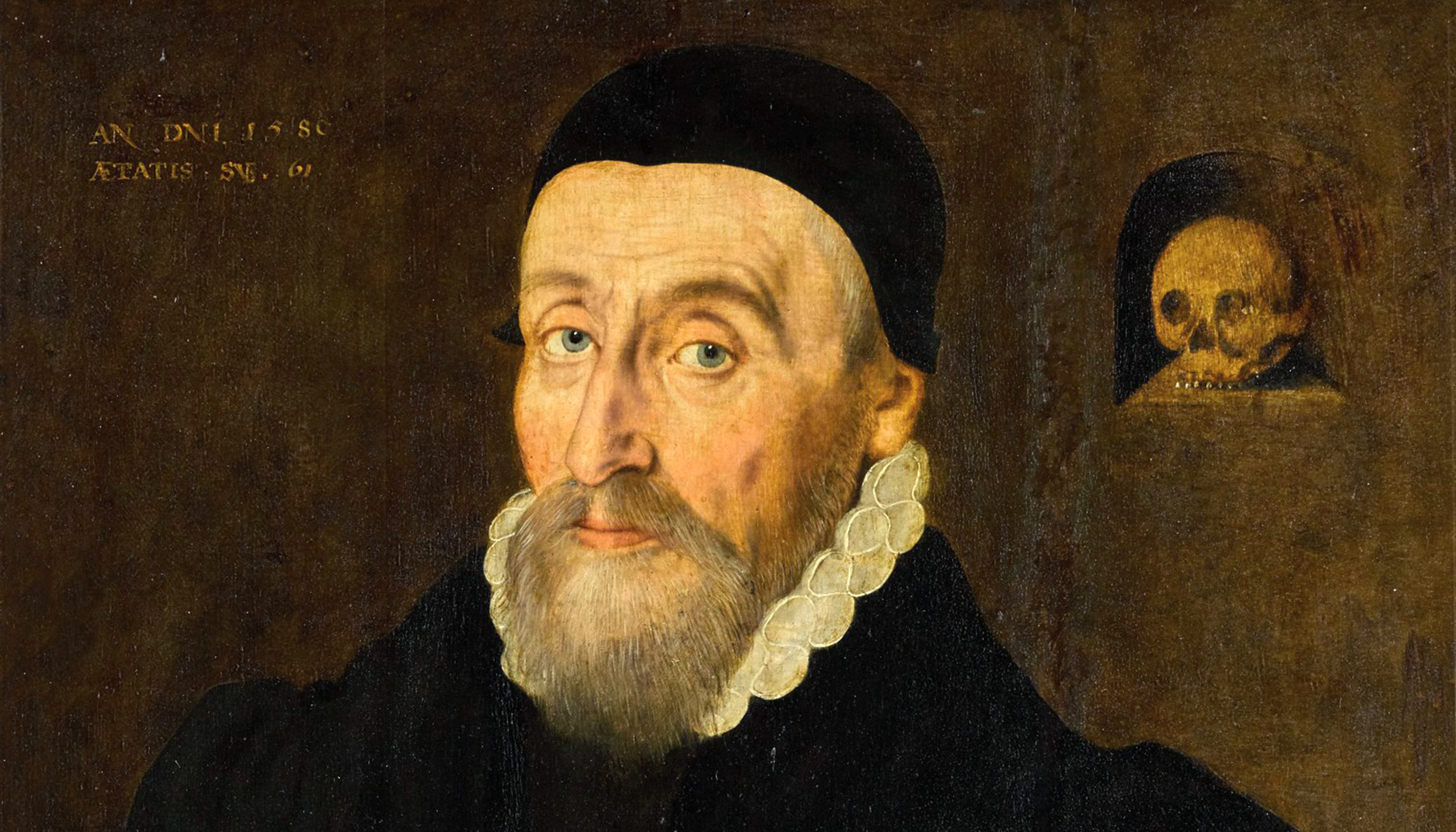 29 August 1570: On arriving in Yorkshire, Archbishop Grindal declares war on bloody-minded folk-Catholicism
 27 July 1612: Jennet Preston, the only Yorkshirewoman among the Pendle witches, is found guilty at York of the murder of Thomas Lister of Westby Hall, Gisburn (Ribble Valley)
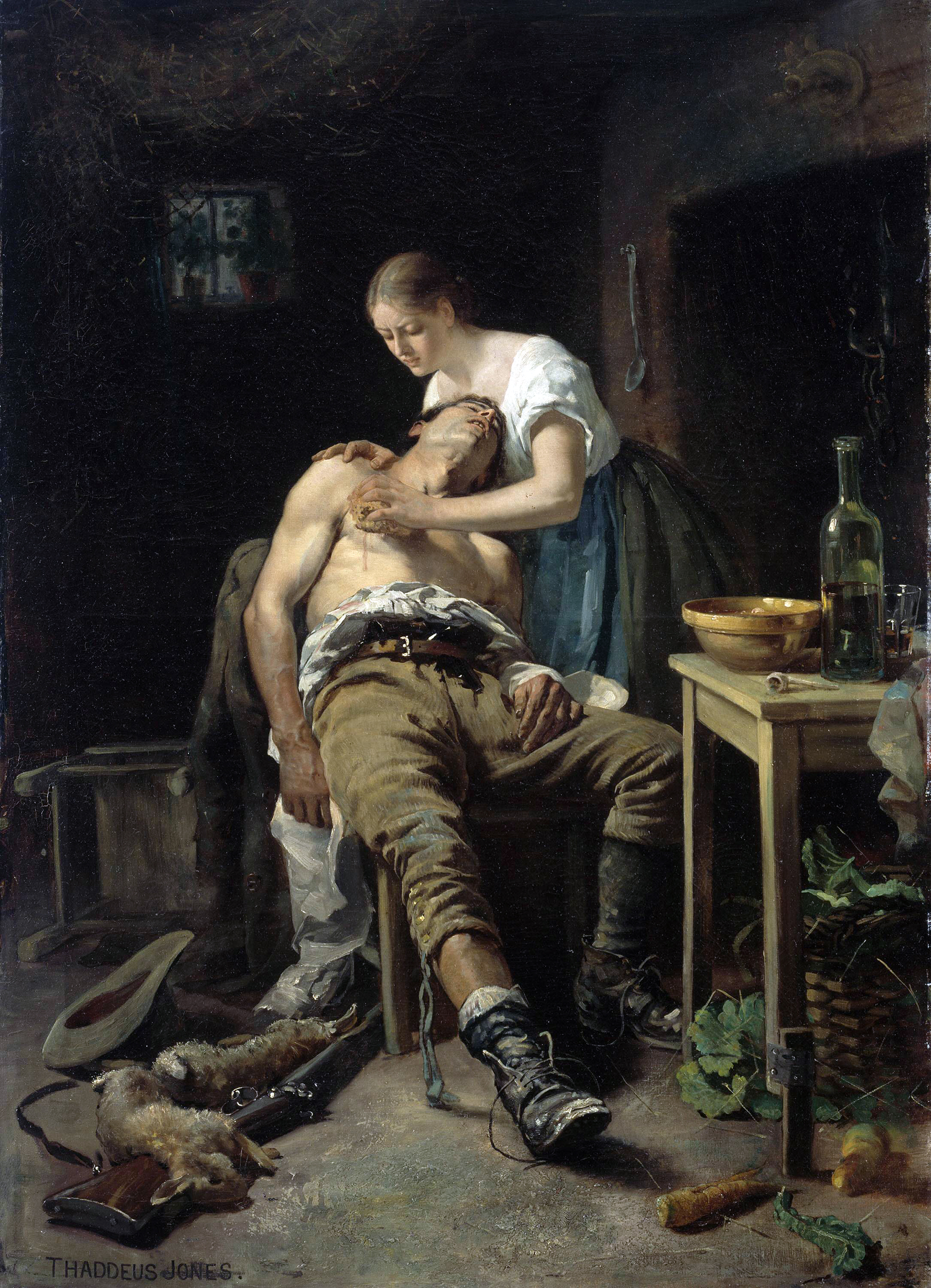 10 December 1769: Part of the northern ballad about Bill Brown, a Brightside (Sheffield) steelworker and hare-poacher killed by gamekeepers today near Rotherham
Comment
Comment
Wikipedia:
In the law of evidence, a dying declaration is testimony that would normally be barred as hearsay but may in common law nonetheless be admitted as evidence in criminal law trials because it constituted the last words of a dying person. The rationale is that someone who is dying or believes death to be imminent would have less incentive to fabricate testimony, and as such, the hearsay statement carries with it some reliability.
Laura Eliza(beth) Thurkill/Thirkill died aged 21 and was interred on 30 December in Beckett Street Cemetery.
Sarah Barrett, the midwife, was acquitted by the jury at the spring assizes (Bradford Observer 1869/03/30). The date I’ve taken – 20 December – is based on that article and Allbutt’s testimony.
Something to say? Get in touch
Search
Subscribe/buy
Donate
Music & books
Place-People-Play: Childcare (and the Kazookestra) on the Headingley/Weetwood borders next to Meanwood Park.
Music from and about Yorkshire by Leeds's Singing Organ-Grinder.
 RSS feed
 Bluesky
 Extwitter